How did Palantir recruit its first 100 employees for equity
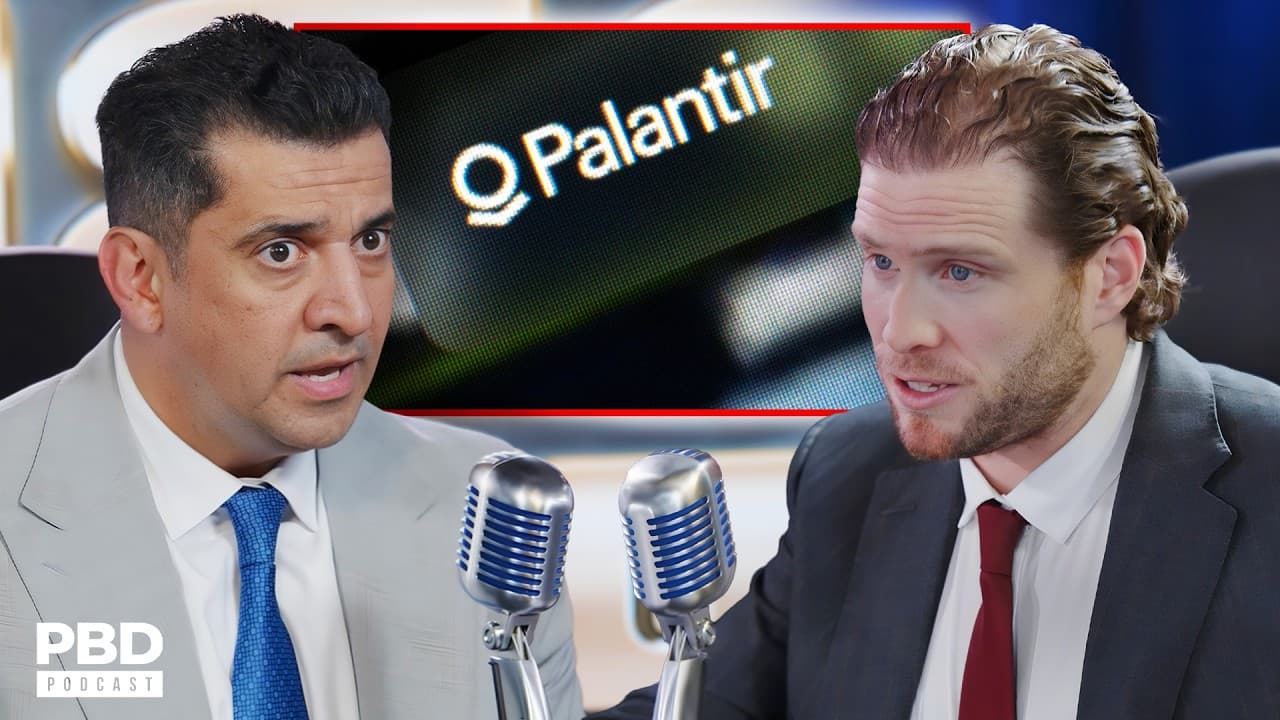
TL;DR
Palantir focused on recruiting top talent early, using a mixture of salary options and equity to attract top programmers. The founders emphasized selling a compelling vision and building a nucleus of elite talent, then expanding by offering equity and showcasing strong track records to lure others, especially as AI talent competition intensified.
Transcript
What was your uh uh strength in the partnership as a founder? What was his? I was really good at recruiting the first few hundred people and kind of pushing forward on kind of like the product strategy um and whatnot. Alex was really intuitive about institutions, about how the world works, about how we come across, about how to get into certain pla... Read More
Key Insights
- Palantir built its early team by recruiting the first hundred people with a strategy centered on vision and equity.
- The key to attracting top talent was offering equity upside alongside salary options, not just cash compensation.
- A strong differentiator, such as a proven track record, helped convince top candidates to join.
- Talent wars intensified in the AI era, with multi million dollar signing bonuses and highly sought after engineers.
- Early recruiting used a “nucleus” approach, where the best initial hires would attract others.
- Public recruiting at universities and direct raids on competing firms were part of Palantir’s methods.
- Clawback or vesting provisions were used to manage risk if a recruit left early.
- Recognition of talent and the ability to articulate a compelling mission were crucial selling points.
- More videos from this channel:
- More from this channel: Valuetainment
Install to Summarize YouTube Videos and Get Transcripts
Explore YouTube Video Summarizer or Get YouTube Transcript Extractor
Questions & Answers
Q: What was Palantir’s core recruiting strategy for the first hundred employees?
Palantir aimed to build a strong nucleus of the best talent and recruit top performers from leading schools, with a focus on selling a clear vision and offering equity upside. The strategy involved presenting three salary options and highlighting how ownership could be worth more than cash today, which attracted highly motivated individuals who wanted to impact the mission and earn long term value.
Q: How did equity play a role in early Palantir hires?
Equity was presented as a future payoff that could dwarf salary, encouraging early hires to join with the expectation of significant long term upside. Founders emphasized that even lower upfront salaries could be justified by the potential value of equity, aligning incentives and retaining talent as the company grew.
Q: What differentiators helped Palantir attract top engineers in a competitive market?
A proven track record and the opportunity to work with a strong leadership team acted as key differentiators. The founders argued that prior success made candidates more willing to take equity and join a high potential project, creating a credible offer that new hires could trust and commit to long term.
Q: How did the AI talent war affect recruiting practices at Palantir and similar companies?
AI advances raised the stakes by increasing demand for the top talent, with competing firms offering large signing bonuses and high salaries. Palantir responded by stressing mission alignment and ownership, while leveraging their existing reputation and network to attract engineers who valued long term ownership and impactful work.
Q: What methods did Palantir use to recruit from universities and other firms?
Palantir maintained university teams and used playbooks for campus engagements. They also pursued aggressive recruiting tactics, including discussions with personnel from other firms and even cross recruiting from companies like eBay. This approach created a steady pipeline of candidates who were prepared to consider equity as part of their compensation.
Q: What risks did Palantir consider when offering signing bonuses and equity?
The company needed to manage risk around retention and vesting. Signing bonuses required clawback or vesting mechanisms to ensure that hires contribute meaningfully before receiving full benefits, and candidates needed to balance cash offers with stock options that would vest over time, aligning incentives with the company’s success.
Q: How important is leadership presence in attracting talent, according to the founders?
Leadership presence and the ability to communicate a compelling vision were deemed crucial. Potential hires wanted to learn from experienced leaders who had built successful companies, so founders leveraged their track records and ability to guide growth to persuade candidates to join even if upfront compensation varied.
Q: What challenges did Palantir face in the initial recruitment phase beyond attracting candidates?
The founders faced the challenge of convincing candidates to accept risky options like equity early in a company’s life, managing expectations about future value, and differentiating the firm from established players. They described the need to establish a strong culture and process to ensure the first hires would stay, contribute, and help recruit others.
Summary & Key Takeaways
-
Palantir started with a small, elite recruiting nucleus and a clear vision to attract top talent. The strategy relied on equity and selective salaries rather than just cash, creating long term alignment with the company. The AI era increased competition, requiring stronger differentiators such as proven track records and leadership presence.
-
The founders describe how early hires were offered three salary options with equity upside, and how that framing attracted people who preferred ownership over immediate cash. They also discuss how recruiting evolved as large tech firms began to aggressively compete for top engineers.
-
They highlight the importance of having a differentiator and a strong business narrative, with the founders’ past success providing credibility that drew other high performers to join and stay for the long term.
Read in Other Languages (beta)
Share This Summary 📚
Summarize YouTube Videos and Get Video Transcripts with 1-Click
Try YouTube Summary with ChatGPT & Claude or YouTube Transcript Generator
Explore More Summaries from Valuetainment 📚






Summarize YouTube Videos and Get Video Transcripts with 1-Click
Try YouTube Summary with ChatGPT & Claude or YouTube Transcript Generator