How Did Sumer Revive and Amorite Kingdoms Rise?
TL;DR
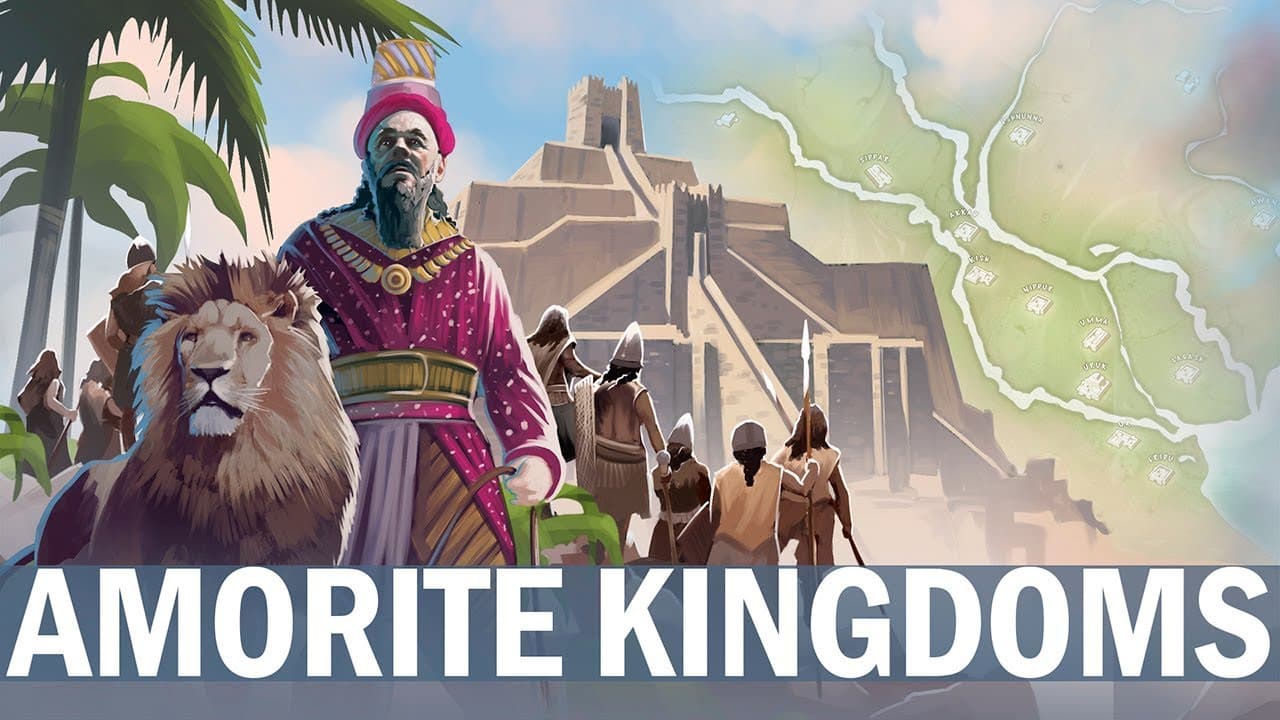
Ur-Nammu founded the Third Dynasty of Ur in 2112 BC, creating a centralized, prosperous state that collapsed in 2004 BC amid famine, drought, invasion, and defeat by Elam. Amorite groups then established dynasties across Mesopotamia, including at Mari and Babylon, while rulers such as Yahdun-Lim and Shamshi-Adad competed through conquest, administration, fortification, and political alliances.
Transcript
In our previous episode we discussed the rise and fall of the first empire in history - The Akkadian Empire. Its great rulers from Sargon to Naram-Sin broke the mold and set in motion a way of running a state which would be emulated for thousands of years to come. From this point forward, the Empire would be the prominent form of government. Howeve... Read More
Key Insights
- The Gutian period was politically uncertain but economically advantageous for southern Sumer because the Gutian kings based at the former Akkadian capital exacted limited tribute. Native Sumerian rulers consequently retained room to govern prosperous cities despite the fragmentation that followed the Akkadian Empire’s collapse.
- Gudea was a powerful ruler of Lagash from 2144 to 2124 BC who presented himself as a humble ensi and earthly representative of Ningirsu. His reforms included cancelling debt and permitting women to inherit and own family property when their husbands died.
- Utu-Hegal ended Gutian hegemony by organizing a Sumerian coalition, trapping and defeating King Tirigan, and capturing him after his attempted escape. The resulting Uruk supremacy was brief because Ur-Nammu displaced it and established the Third Dynasty of Ur in 2112 BC.
- The Third Dynasty of Ur was a centralized empire governed through extensive administration rather than constant expansion. Traditional city-state autonomy disappeared, and local ensi became appointed governors responsible to the kings at Ur within what the transcript describes as the first directly controlled economy.
- Ur’s prosperity was supported by canals, trade routes, soil calculations, production estimates, and monumental construction. These policies increased economic efficiency and benefited both large cities and smaller centers, including Babylon, which developed from an obscure town into an important provincial economic core.
- The Third Dynasty of Ur collapsed in 2004 BC after famine, drought, Amorite incursions, and conflicts with eastern neighbors weakened the state. Elam emerged victorious from the concluding struggles and destroyed Ur, creating a political vacuum that encouraged further Amorite settlement and royal ambition.
- The Amorites were semi-pastoral groups whose seasonal migrations moved between semi-arid winter areas and wetter summer areas. After entering the river valleys in several phases, they established dynasties across Palestine, Syria, northern Mesopotamia, and southern Mesopotamia, then blended into local populations.
- Shamshi-Adad built a divided imperial system after taking Ekallatum, Assur, the Assyrian region, and Mari. His sons governed major territories, but rebellions, Turukku incursions, pressure from Yamhad, hostility from Eshnunna, and uneven leadership made the empire vulnerable after his death.
Install to Summarize YouTube Videos and Get Transcripts
Explore YouTube Video Summarizer or Get YouTube Transcript Extractor
Questions & Answers
Q: How did the Sumerians end Gutian rule?
Utu-Hegal of the Fifth Uruk Dynasty formed a coalition of Sumer against the Gutian ruler Tirigan. He arrested two Gutian envoys, lured Tirigan into a trap, and defeated him in battle. Tirigan attempted to flee in his war chariot but was captured and executed. Utu-Hegal then established a short period of Uruk hegemony before Ur-Nammu overthrew it in 2112 BC.
Q: What reforms did Gudea introduce in Lagash?
Gudea, who ruled Lagash from 2144 to 2124 BC, is presented as a peaceful, humble, and socially minded ruler. Although powerful, he used the title ensi instead of the grander lugal and regarded himself as the earthly representative of Ningirsu. His social reforms included cancelling debt and allowing women to inherit and own family property if their husbands died.
Q: How did Ur-Nammu transform government in Sumer?
Ur-Nammu overthrew Uruk’s brief hegemony in 2112 BC and founded the Third Dynasty of Ur. Under this dynasty, traditionally independent cities in Sumer and Akkad lost their autonomy. Ensi ceased to function as native representatives and instead became governors appointed by Ur’s kings. The dynasty consolidated control through extensive administrative systems and a directly controlled economy rather than relying primarily on continuous territorial expansion.
Q: Why was the Third Dynasty of Ur prosperous?
The Third Dynasty of Ur promoted prosperity through centralized economic planning and major public works. New canals created additional trade routes across the realm, while calculations of soil richness and estimates of optimal production improved efficiency. These policies benefited major cities as well as smaller centers. The period also produced the Ur Ziggurat, and Babylon grew into one of the empire’s important provincial economic cores.
Q: Why did the Third Dynasty of Ur collapse?
The Third Dynasty of Ur declined near the end of the 21st century BC as several pressures accumulated. Famine and drought weakened the empire, while migrations and invasions by Amorite groups contributed to instability. Conflicts with eastern neighbors brought the state to its final crisis. In 2004 BC, Elam emerged victorious from those conflicts, destroyed Ur, and ended the dynasty’s rule.
Q: Who were the Amorites and how did they live?
The Amorites were nomadic semi-pastoralists whose name is described as meaning “people of the west.” They supposedly originated in highland regions west of the middle Euphrates. Before settling in the river valleys, they migrated seasonally between semi-arid areas during winter and wetter areas during summer to tend their herds. After entering Mesopotamia, they gradually blended into local populations and established ruling dynasties.
Q: How did Yahdun-Lim make Mari a powerful kingdom?
Yahdun-Lim inherited Mari after his father, Yaggid-Lim, established the Lim Dynasty there. He adopted the Babylonian language and writing style for administration and revived the Akkadian practice of naming years. He also fought neighboring states and nomadic tribes, constructed irrigation systems, and built fortresses to secure conquered territory. These measures made Mari the dominant state on the middle Euphrates, although overextension created serious risks.
Q: How did Shamshi-Adad govern his Mesopotamian empire?
Shamshi-Adad governed through an almost triarchic arrangement after conquering the Assyrian region, Assur, and Mari. His elder son Ishmi-Dagan controlled the Assyrian territory from Ekallatum, while his younger son Yasmah-Addu served in Mari. Shamshi-Adad ruled from the newly constructed capital of Shubat-Enlil. The sons functioned as regional co-kings and governors, but Yasmah-Addu required frequent guidance and Mari’s resources were heavily drained.
Summary & Key Takeaways
-
After Akkadian supremacy shattered, Gutian kings exercised limited authority over southern Sumer, allowing native centers to gain economic advantages. Gudea of Lagash promoted reforms, while Utu-Hegal defeated the Gutian king Tirigan. Ur-Nammu then overthrew Uruk’s hegemony and founded the Third Dynasty of Ur in 2112 BC.
-
The Third Dynasty of Ur centralized political and economic control by replacing independent city rulers with appointed governors. Administrative planning, canals, production estimates, and monumental construction supported widespread prosperity. However, lost autonomy and altered religious practices likely caused resentment, while famine, drought, Amorite migration, and Elamite victory ended the empire in 2004 BC.
-
Amorite groups settled throughout the Near East and established dynasties in cities including Isin, Larsa, Babylon, and Mari. Yahdun-Lim strengthened Mari through administration, irrigation, fortresses, and warfare. Shamshi-Adad later conquered Mari and Assur, governed through his sons, and built a broad but unstable empire that fragmented after his death in 1776 BC.
Read in Other Languages (beta)
Share This Summary 📚
Summarize YouTube Videos and Get Video Transcripts with 1-Click
Try YouTube Summary with ChatGPT & Claude or YouTube Transcript Generator
Explore More Summaries from Kings and Generals 📚





Summarize YouTube Videos and Get Video Transcripts with 1-Click
Try YouTube Summary with ChatGPT & Claude or YouTube Transcript Generator