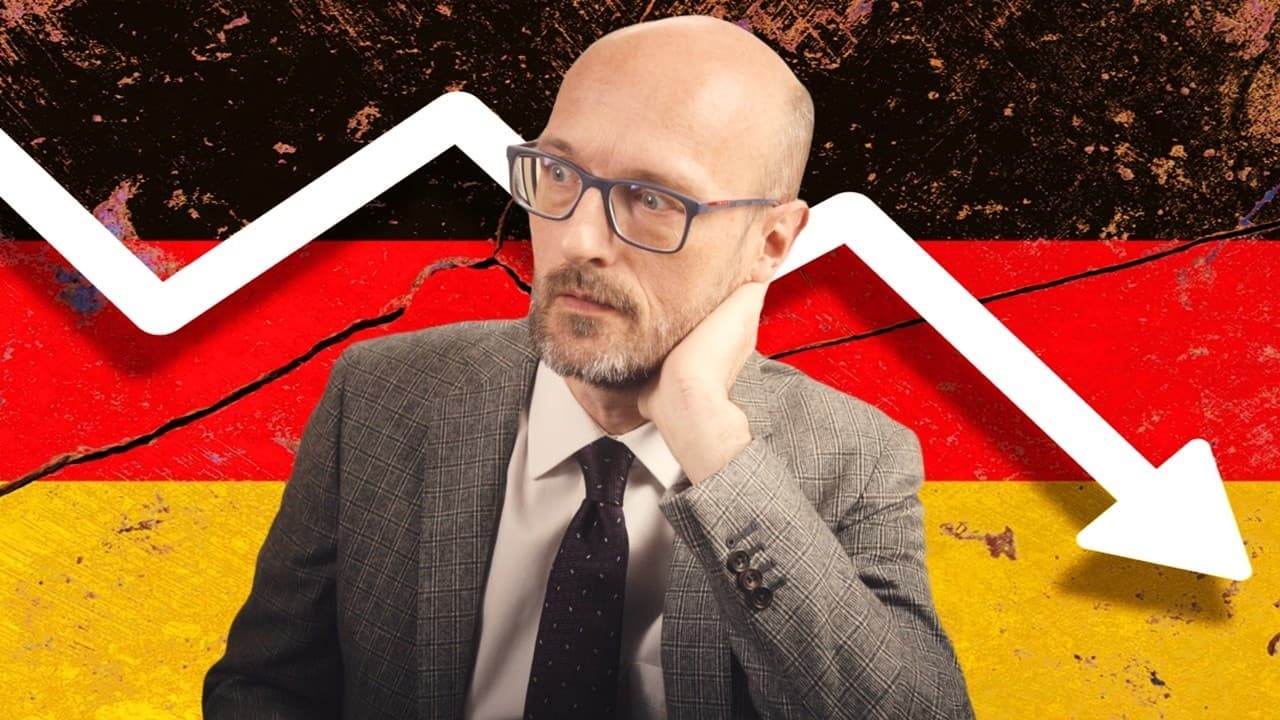
Why did Germany suspend its debt brake and stall spending?
TL;DR
The debt brake was suspended and a half trillion euros allocated for infrastructure, yet most money sits unused due to rigid German rules and tendering fragmentation. Projects stall because of legal safeguards that require many small contracts, delaying even straightforward repairs or upgrades. The problem lies in systemic rules, not the amount of money available.
Transcript
Germany committed to borrowing something on the order of a trillion euros last year. And the first visible sign of that money in Berlin at least was a lot of traffic cones. Let me back up because the specifics here are the good part. Germany has spent most of the last century as the most fiscally cautious country in the developed world. Back in 200... Read More
Key Insights
- The debt break was suspended, enabling new spending powers for defense and infrastructure.
- A half a trillion euros were allocated, but actual disbursement slowed by rules and procedures.
- Germany redirected funds to everyday running costs rather than new construction.
- Tendering rules force multiple small contracts, delaying large projects like roads and rail.
- A key lock is the requirement to carve projects into small lots for fair bidding.
- Legal immaculate rules can freeze projects if a single contractor delays.
- Berlin barriers symbolized the disconnect between funds and active construction.
- Germany built fast when flexing environmental rules, showing selective policy freedom.
Install to Summarize YouTube Videos and Get Transcripts
Explore YouTube Video Summarizer or Get YouTube Transcript Extractor
Questions & Answers
Q: What caused Germany to suspend its debt brake and create a large infrastructure fund?
Germany suspended the constitutional debt brake due to a strategic decision to respond to a changing security environment and to invest in defense and infrastructure. A special fund of around half a trillion euros was created, intended to repair crumbling roads, bridges, and railways. This marked a shift from strict fiscal caution to proactive spending, highlighting how urgent strategic concerns can redefine long standing fiscal rules.
Q: Why did the money not move quickly after being allocated?
Even after funds were allocated, the money did not move quickly because of systemic rules and procedural bottlenecks. Public authorities must divide projects into many small tenders for different components, and delays or appeals in any one part can freeze the entire project. This ensures fairness and transparency but can prevent urgent infrastructure work from proceeding.
Q: What is the role of the tendering rule in delaying projects?
The tendering rule requires carving large infrastructure projects into multiple smaller lots for separate tendering of asphalt, drainage, barriers, and line painting. If one contractor is delayed or an appeal is filed, the entire project can be frozen. This rule aims to give small and medium sized firms a chance to win contracts, but it also slows progress dramatically.
Q: How did political will interact with these delays?
The government demonstrated political will by suspending the debt brake and investing hundreds of billions in defense and infrastructure. However, the same political willingness did not translate into rapid project execution because the system’s rules remained in place, creating a paradox where decisive policy choices were followed by cautious, slow implementation at the ground level.
Q: What examples illustrate the mismatch between funds and construction activity?
Examples include the first visible result of the funds: barriers went up across Berlin with no construction behind them, and a high speed rail tunnel in the Alps is years behind schedule in Germany while Italy and Austria have largely finished their respective sections. These cases show that funding existed but was not matched by active construction due to regulatory and procedural hurdles.
Q: What does the LNG terminal example reveal about policy implementation?
The LNG terminal example shows that Germany can move fast when it decides to act, but only by waiving environmental reviews and planning rules through a special law. This demonstrates that rapid project delivery is possible when reforms bypass typical barriers, yet under normal conditions the same rules effectively slow down ordinary infrastructure spending.
Q: What broader economic shift is discussed besides the debt brake issue?
Beyond the debt brake, the discussion highlights Germany’s shift from a mechanical engineering based economy to a software driven economy not built for such a transition. This switch complicates how effectively large sums can be converted into modernized infrastructure and growth, particularly when systemic constraints remain in place.
Q: What is the overall takeaway about Germany’s economic stall?
The overall takeaway is that the problem is not the amount of money available but the underlying systems and rules that govern how money is spent. A combination of legal, bureaucratic, and tendering constraints creates a second break under the first one, preventing large scale investments from translating into tangible improvements.
Summary & Key Takeaways
-
Germany had a long standing constitutional debt brake that limited borrowing. The government suspended it and created a large fund for infrastructure, yet spending remained slow. Bureaucratic and legal constraints turned funding into a process that delays rather than accelerates repair and construction.
-
Public investment was historically underfunded and depreciation was not covered, creating a backlog of needed work. Even with funds allocated, the slow decision making and tender rules prevented practical progress on roads, rails, and bridges.
-
A shift from a cautious to a more aggressive spending stance revealed underlying structural hurdles. Environmental reviews and planning rules, coupled with a preference for fairness and transparency, slowed projects once funding was released, highlighting how policy design shapes real outcomes.
Read in Other Languages (beta)
Share This Summary 📚
Summarize YouTube Videos and Get Video Transcripts with 1-Click
Try YouTube Summary with ChatGPT & Claude or YouTube Transcript Generator
Explore More Summaries from Patrick Boyle 📚



Summarize YouTube Videos and Get Video Transcripts with 1-Click
Try YouTube Summary with ChatGPT & Claude or YouTube Transcript Generator