Why Energy Markets Face Imminent Crisis
TL;DR
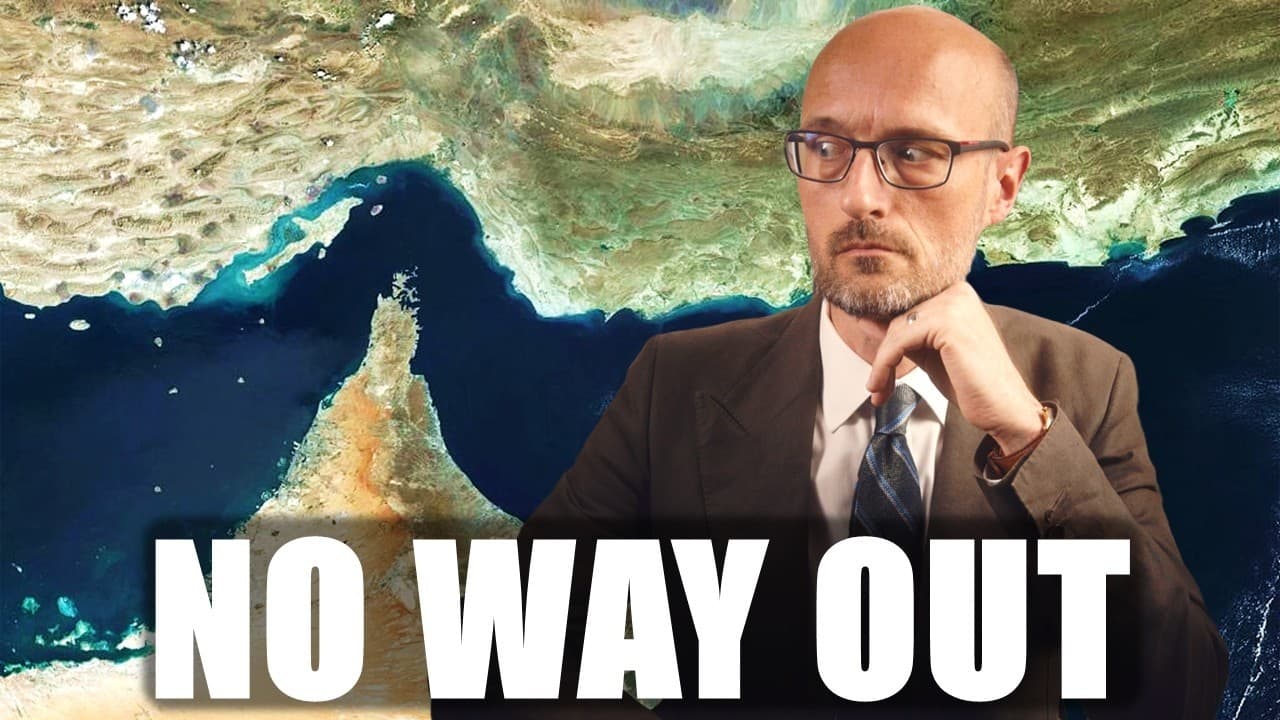
The global energy market is facing a severe crisis due to geopolitical tensions in the Middle East, leading to blockades in the Strait of Hormuz. This has caused significant disruptions in oil supply, affecting prices and global trade. The situation is exacerbated by the lack of a coordinated response and the complex interplay between physical and futures markets.
Transcript
If you look at the stock market today, you might naturally conclude that the global energy crisis has been permanently resolved. The S&P 500 recently hit another record high, climbing past where it was before the fighting began in late February. Equity traders seem to have decided that a war in the Middle East, one that has closed the world's most ... Read More
Key Insights
- The Strait of Hormuz is a critical chokepoint for global oil supply, and current blockades are severely disrupting trade.
- Physical commodity markets are signaling a crisis, contrasting the optimism seen in stock markets.
- Iran is using the blockade as geopolitical leverage, impacting global energy and economic stability.
- The U.S. Navy's involvement in the blockade complicates the situation, affecting global trade dynamics.
- Supply chain disruptions extend beyond oil, affecting sectors like agriculture and technology due to shortages in key commodities.
- The crisis highlights the vulnerability of global trade routes and the need for diversified energy sources.
- Inflationary pressures are rising globally, driven by increased costs in energy and transportation.
- The crisis is reshaping geopolitical alliances and economic strategies, emphasizing energy independence and security.
Install to Summarize YouTube Videos and Get Transcripts
Explore YouTube Video Summarizer or Get YouTube Transcript Extractor
Questions & Answers
Q: How are the blockades in the Strait of Hormuz affecting global oil supply?
The blockades in the Strait of Hormuz, a vital chokepoint for global oil shipments, are severely disrupting the flow of oil. This has led to a depletion of the seaborne oil buffer that previously cushioned global markets. As a result, oil prices are volatile, and supply chains are strained, affecting everything from fuel to agricultural production.
Q: Why is there a disconnect between physical commodity markets and stock markets?
Physical commodity markets are reflecting the real-time disruptions and supply shortages caused by geopolitical tensions, particularly in the energy sector. In contrast, stock markets are often driven by speculative trading and optimistic forecasts, leading to a disconnect between the actual market conditions and investor sentiment.
Q: What are the implications of the energy crisis on global trade?
The energy crisis is causing widespread disruptions in global trade, particularly in sectors reliant on energy and transportation. Shipping routes are longer and more expensive, leading to delays and increased costs. This impacts the availability and price of goods worldwide, contributing to inflationary pressures and economic instability.
Q: How is Iran using the Strait of Hormuz situation to gain geopolitical leverage?
Iran is leveraging the blockade of the Strait of Hormuz to exert pressure on global economies, using it as a strategic tool to negotiate and influence international policies. By controlling a critical trade route, Iran can impact global oil supply and prices, gaining significant geopolitical leverage in negotiations.
Q: What are the potential long-term effects of the current energy crisis?
The long-term effects of the energy crisis could include a reevaluation of global energy strategies, increased investment in alternative energy sources, and a shift in geopolitical alliances. Economies may prioritize energy independence and security, leading to changes in trade patterns and a focus on sustainable energy solutions.
Q: How is the energy crisis affecting agricultural production?
The energy crisis is impacting agricultural production by increasing the cost and availability of essential inputs like fertilizers and diesel. This raises production costs and can lead to reduced agricultural output. Farmers face financial strain, and global food security is threatened, potentially leading to shortages and higher food prices.
Q: What role does the U.S. Navy play in the current blockade situation?
The U.S. Navy is actively involved in the blockade situation, enforcing its own counter-blockade measures in response to Iranian actions. This military involvement complicates the geopolitical landscape and affects global trade dynamics, as the Navy's actions influence the movement of merchant vessels and the security of shipping lanes.
Q: How is the crisis influencing global inflation trends?
The crisis is contributing to global inflation trends by increasing energy and transportation costs, which ripple through supply chains and affect the prices of goods and services. These increased costs are passed on to consumers, leading to higher inflation rates and economic challenges for both developed and developing economies.
Summary & Key Takeaways
-
The current geopolitical tensions in the Middle East have led to a severe energy crisis, with blockades in the Strait of Hormuz disrupting global oil supply. This has created a significant gap between physical and futures markets, affecting prices and trade. The crisis is compounded by the lack of coordinated international response and the strategic use of blockades by Iran.
-
Beyond oil, the crisis is impacting other sectors, including agriculture and technology, due to shortages in critical commodities like fertilizers and helium. The disruptions are causing inflationary pressures globally, as increased costs in energy and transportation ripple through supply chains.
-
The situation underscores the vulnerability of global trade routes and the importance of diversifying energy sources. It is prompting a reevaluation of geopolitical alliances and economic strategies, with a focus on achieving energy independence and enhancing national security in the face of such crises.
Read in Other Languages (beta)
Share This Summary 📚
Summarize YouTube Videos and Get Video Transcripts with 1-Click
Try YouTube Summary with ChatGPT & Claude or YouTube Transcript Generator
Explore More Summaries from Patrick Boyle 📚



Summarize YouTube Videos and Get Video Transcripts with 1-Click
Try YouTube Summary with ChatGPT & Claude or YouTube Transcript Generator