What Is China Doing in Africa? Projects and Debt
TL;DR
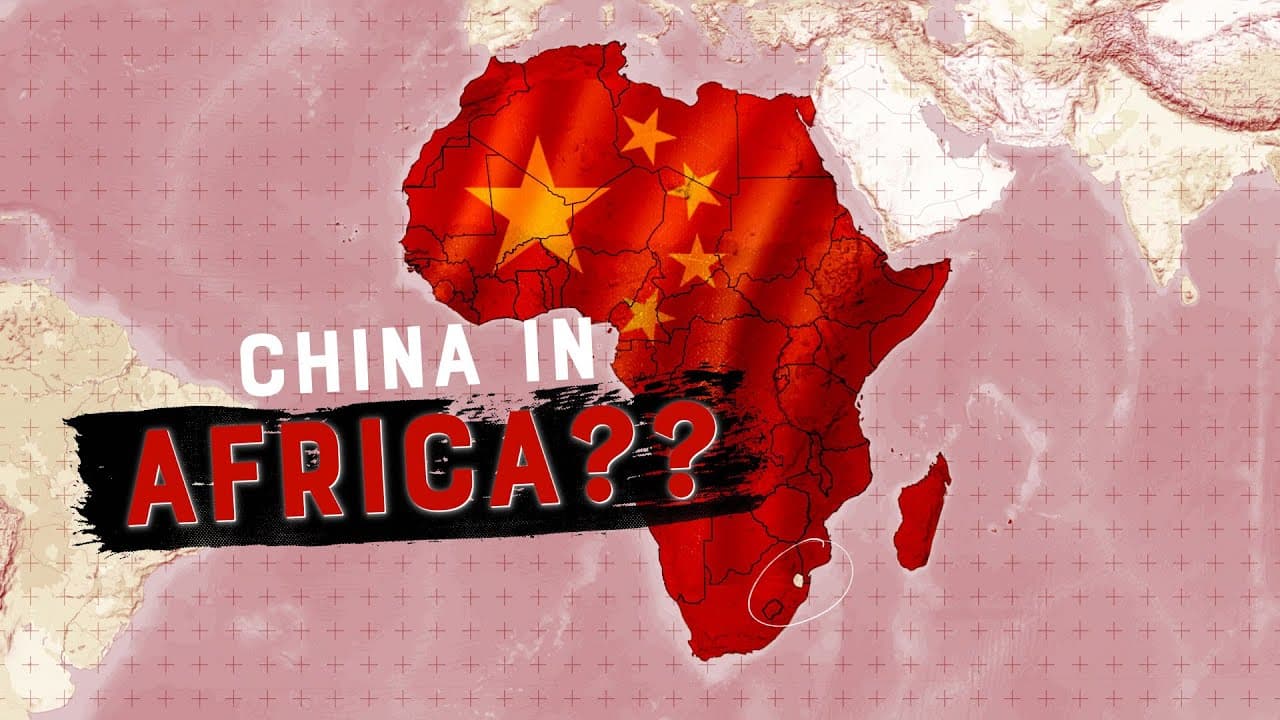
China uses a mix of loans, projects, and diplomacy to extend influence in Africa, often tying infrastructure to debt and political favors. The result is a mixed outcomes landscape where some roads and dams help local economies, while others create debt dependence and concerns about sovereignty and environmental standards. This video argues that strings attach to every gift.
Transcript
- [Johnny] It's January 2017 at the headquarters of the African Union here in Ethiopia. An I.T. engineer is looking at the servers in this building and something seems off. The engineer notices that often in the middle of the night, these servers are connecting to some server in Shanghai and uploading emails and audio files. The African Union Headq... Read More
Key Insights
- China uses large loans and state-backed financing to fund infrastructure in Africa, creating a finance-driven expansion of influence.
- Projects span transport, energy, real estate, and mining, illustrating a broad strategy to integrate African economies with Chinese supply chains and markets.
- Debt dependency is a central risk of these investments, as prominent projects can leave countries with large obligations to China over decades.
- Some projects bring visible improvements, like upgraded roads, but others trigger ecological concerns and social tensions among local workers and communities.
- The initiative is framed by China as cooperation and friendship, yet the video argues that gifts come with political strings and strategic aims.
- China often avoids environmental standards in pursuit of rapid development, prioritizing speed and scale of projects over local safeguards.
- A significant outcome is the diplomatic shift away from Taiwan toward recognizing China, which tightens Beijing’s regional and international legitimacy.
- The overall pattern shows a mix of positive infrastructure gains and deeper political and financial leverage, requiring nuanced assessment by recipient nations.
- More videos from this channel:
- More from this channel: Johnny Harris
Install to Summarize YouTube Videos and Get Transcripts
Explore YouTube Video Summarizer or Get YouTube Transcript Extractor
Questions & Answers
Q: A real search query question about the video (e.g. 'How to...', 'What is...', 'Why does...', 'When should...'). Question 1
China’s expansion into Africa is driven by the need for new growth paths and strategic influence, using a combination of loans, large-scale infrastructure, and political gifts to win friendships and secure economic opportunities. These tools can help accelerate development in some cases while creating long-term debt obligations and influence over domestic politics in recipient countries.
Q: Question 2
The Nairobi Mombasa railway is a flagship example of Chinese financing and construction in Africa, funded by a state-backed loan and built by Chinese firms with Chinese workers. It illustrates how projects can deliver rapid transport benefits yet also embed debt dependence and management of local resources, governance, and environmental concerns.
Q: Question 3
The African Union Headquarters in Addis Ababa was funded and built by China, with servers and furniture potentially wired for surveillance. This case is used to illustrate the darker side of gifts and projects, where strategic access and intelligence considerations accompany economic investments.
Q: Question 4
Debt is a central risk of many Chinese projects in Africa, as countries like Kenya take on large loans to finance trains and other infrastructure. The video argues that such debt can constrain policy choices and create leverage for Beijing in energy, transport, and diplomatic decisions over time.
Q: Question 5
Environmental and local labor concerns accompany many projects, with reports of local workers facing unequal treatment and potential ecological disruption. The video emphasizes that some deals respond to local needs like better roads, while others neglect environmental safeguards and local benefits.
Q: Question 6
China frames its Africa investments as cooperation and friendship, but the video contends that the donor-recipient dynamic resembles a strategic bargain. Gifting infrastructure and political support can bind countries to Beijing’s political and economic preferences in exchange for access to markets and capital.
Q: Question 7
Taiwan diplomacy is affected by Beijing's investments, as many African countries shift recognition from Taiwan to China to align with Beijing’s growing influence. This diplomatic realignment is presented as part of a broader strategy to build a global coalition of supporters through economic diplomacy.
Q: Question 8
The video presents a mixed verdict on results in Africa, noting substantial benefits from some infrastructure while warning of debt traps, governance concerns, and unequal labor practices. Viewers are encouraged to weigh immediate improvements against long-term strategic costs when evaluating such projects.
Summary & Key Takeaways
-
China’s involvement in Africa is driven by economic growth and geopolitical strategy, presenting both benefits and concerns for local economies and sovereignty. The video examines the range of projects from trains to dams and the potential debt traps.
-
The narrator highlights concrete examples such as the Nairobi Mombasa railway and the African Union Headquarters, showing both tangible improvements and political implications, including debt and influence over governance and Taiwan recognition.
-
Overall, the story emphasizes that Chinese investments in Africa come with non-financial strings, such as political alignment, market access, and environmental considerations, requiring careful evaluation by recipient countries and observers.
Read in Other Languages (beta)
Share This Summary 📚
Summarize YouTube Videos and Get Video Transcripts with 1-Click
Try YouTube Summary with ChatGPT & Claude or YouTube Transcript Generator
Explore More Summaries from Johnny Harris 📚




Summarize YouTube Videos and Get Video Transcripts with 1-Click
Try YouTube Summary with ChatGPT & Claude or YouTube Transcript Generator