How Do Nuclear Weapons Affect Global Politics?
TL;DR
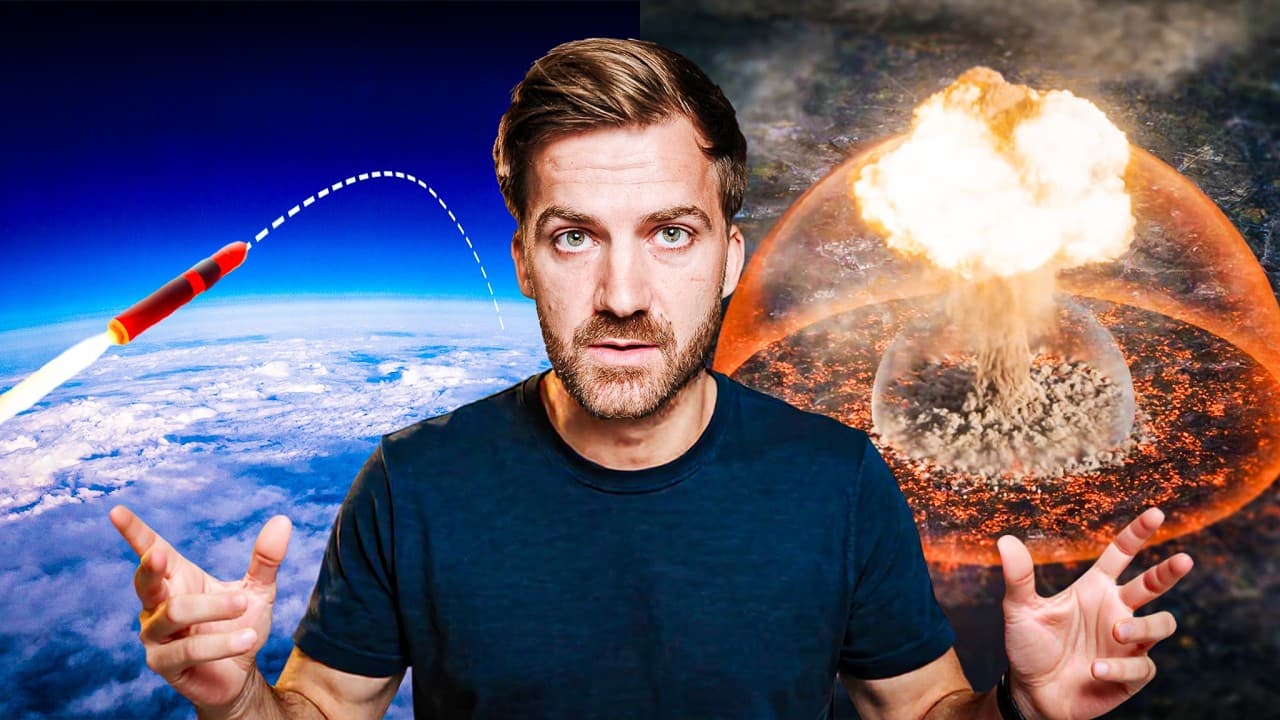
Nuclear weapons pose an existential threat, drastically altering global politics through the principle of nuclear deterrence, which relies on the fear of mutual destruction to prevent wars between nuclear-armed nations. Major powers like the U.S. and Russia hold the majority of the world’s nuclear arsenal, influencing geopolitical strategies and relationships among countries, while efforts to eliminate these weapons are complicated by distrust and their strategic importance.
Transcript
Read and summarize the transcript of this video on Glasp Reader (beta).
Key Insights
- The detonation of a nuclear weapon in Washington, DC would result in catastrophic destruction, with a fireball vaporizing everything within a half-mile radius and a blast wave leveling structures within 2.5 miles.
- Nuclear weapons work by converting matter into energy through nuclear fission and fusion, processes that release massive amounts of energy by splitting or combining atoms.
- The concept of nuclear deterrence is based on the fear of mutual destruction, discouraging countries from engaging in direct conflict due to the potential catastrophic consequences.
- The U.S. and Russia possess the majority of the world's nuclear arsenal, with other countries like China, India, Pakistan, and North Korea also maintaining nuclear capabilities.
- Nuclear deterrence involves maintaining a credible threat of nuclear retaliation, ensuring second-strike capability, and setting ambiguous red lines to keep adversaries uncertain and cautious.
- The Cuban Missile Crisis was a pivotal moment in nuclear history, highlighting the need for communication and treaties to prevent nuclear war.
- Modern nuclear politics involve complex interactions between countries, with vague red lines and strategic posturing to prevent escalation and maintain stability.
- Efforts to eliminate nuclear weapons face challenges due to the inherent distrust between countries and the strategic value placed on maintaining a nuclear deterrent.
Install to Summarize YouTube Videos and Get Transcripts
Explore YouTube Video Summarizer or Get YouTube Transcript Extractor
Questions & Answers
Q: What would happen if a nuclear weapon hit Washington, DC?
If a nuclear weapon were to hit Washington, DC, it would result in catastrophic destruction. The initial fireball would vaporize everything within a half-mile radius, while the ensuing blast wave would level structures within 2.5 miles. A heat wave would burn everything within five miles, resulting in severe casualties and widespread devastation.
Q: How do nuclear weapons work?
Nuclear weapons operate by converting matter into energy through nuclear fission and fusion. Fission involves splitting large, unstable atoms like uranium, releasing energy. Fusion, which occurs in the sun, combines small atoms under immense pressure and heat, releasing even more energy. These processes unleash massive amounts of energy, causing destruction on an unprecedented scale.
Q: What is the concept of nuclear deterrence?
Nuclear deterrence is the strategic prevention of conflict through the threat of mutual destruction. By maintaining a credible threat of nuclear retaliation, countries discourage adversaries from initiating conflict. This balance of terror relies on the belief that any nuclear attack would result in catastrophic consequences for both the attacker and defender, thus preventing the use of nuclear weapons.
Q: Which countries possess nuclear weapons?
The United States and Russia possess the majority of the world's nuclear arsenal. Other countries with nuclear capabilities include China, India, Pakistan, North Korea, and several others. These nations maintain nuclear weapons as part of their strategic defense and deterrence strategies, influencing global politics and security dynamics.
Q: How does the U.S. ensure its nuclear deterrent is credible?
The U.S. maintains a credible nuclear deterrent by having a diverse and dispersed arsenal. This includes land-based missiles, strategic bombers, and submarine-launched ballistic missiles, known collectively as the nuclear triad. These capabilities ensure second-strike potential, making it difficult for adversaries to neutralize the U.S. nuclear force in a surprise attack.
Q: What role did the Cuban Missile Crisis play in nuclear history?
The Cuban Missile Crisis was a pivotal moment in nuclear history, bringing the world to the brink of nuclear war. It highlighted the need for improved communication and treaties between nuclear powers to prevent accidental or intentional escalation. The crisis led to the establishment of direct communication lines and agreements aimed at reducing the risk of nuclear conflict.
Q: Why is it difficult to eliminate nuclear weapons globally?
Eliminating nuclear weapons globally is challenging due to the strategic value placed on deterrence and the inherent distrust between nations. Countries view nuclear weapons as essential for national security and as a deterrent against aggression. Disarmament would require unprecedented levels of trust and verification, as well as a rethinking of global security dynamics.
Q: What is the current state of nuclear politics?
Nuclear politics today involve complex interactions between nuclear-armed states, with strategic posturing and ambiguous red lines to prevent escalation. The U.S., Russia, and China are key players, with other nations like North Korea and Iran adding to the complexity. The potential for miscalculation and the development of new nuclear capabilities continue to pose significant challenges to global stability.
Summary & Key Takeaways
-
Nuclear weapons have the potential to cause unprecedented destruction, with modern nuclear bombs significantly more powerful than those used in World War II. The concept of nuclear deterrence relies on the threat of mutual destruction to prevent conflict between nuclear-armed nations.
-
The U.S. and Russia hold the majority of the world's nuclear arsenal, but other countries like China, India, Pakistan, and North Korea also maintain nuclear capabilities. The geopolitical landscape is shaped by the presence of these weapons and the strategic posturing they necessitate.
-
Efforts to eliminate nuclear weapons are complicated by the strategic importance of deterrence and the distrust between nations. The Cuban Missile Crisis demonstrated the need for communication and treaties to prevent nuclear war, a lesson still relevant today.
Read in Other Languages (beta)
Share This Summary 📚
Summarize YouTube Videos and Get Video Transcripts with 1-Click
Try YouTube Summary with ChatGPT & Claude or YouTube Transcript Generator
Explore More Summaries from Johnny Harris 📚






Summarize YouTube Videos and Get Video Transcripts with 1-Click
Try YouTube Summary with ChatGPT & Claude or YouTube Transcript Generator