How do Greenlandic communities survive brutal winters
TL;DR
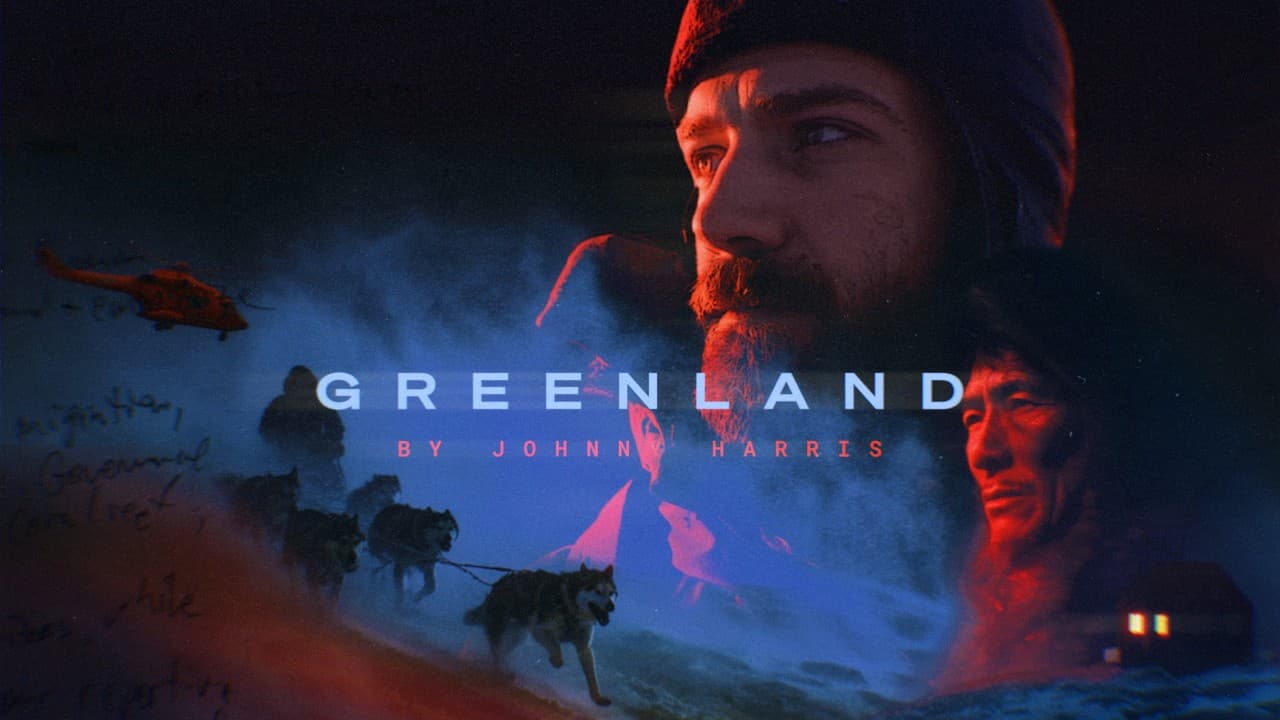
They rely on sea ice as a lifeline, using traditional hunting, dog sleds, and insulated clothing to access food and stay warm during extreme cold. Ice shapes daily life, guiding hunting, travel, and survival strategies while forcing adaptation as conditions change.
Transcript
(wind blowing) (birds cawing) - [Narrator] Winter is coming and the ocean is freezing. (upbeat music) - We're out here on the frozen sea ice and we're hunting for a seal. (speaking foreign language) (soft music) - In a tiny village in Greenland where the sun is just coming back after a winter of darkness and yet the ice around here is at its highes... Read More
Key Insights
- Ice is a multi-category resource; different ice types, like sea ice and ice around icebergs, require distinct knowledge and tools. The community’s survival depends on recognizing these categories and acting accordingly.
- Tradition and environment are inseparable; Inuit hunting methods such as seal traps and dog sleds have evolved within the Arctic climate to maximize safety and yield during harsh winters.
- Access to food for Greenlanders is seasonally restricted by ice cover; the ability to travel and hunt hinges on ice thick enough to support movement and extraction of prey.
- Community roles are specialized; a local hunter guides outsiders, teaching them ice reading, trapping techniques, and respectful engagement with native wildlife and dogs.
- Animals remain central to life; seals provide essential resources for food and clothing, with hides used for warmth and protection against the cold.
- Transportation becomes a seasonal affair; sleds and dogs enable movement over frozen seas when boats cannot operate, effectively turning sea ice into a mobile lifeline.
- Climate variability is shaping culture; changes in ice thickness and timing alter hunting windows, routes, and safety protocols, prompting adaptation in daily routines and community planning.
- Safety and knowledge share the spotlight; understanding ice behavior informs risk management and supports intergenerational transmission of survival skills.
- More videos from this channel:
- More from this channel: Johnny Harris
Install to Summarize YouTube Videos and Get Transcripts
Explore YouTube Video Summarizer or Get YouTube Transcript Extractor
Questions & Answers
Q: A real search query question about the video (e.g. 'How to...', 'What is...', 'Why does...', 'When should...'). Question 1
Ice reading is a core skill in Greenlandic winter life, and the video shows how hunters assess ice thickness, texture, and motion before traveling or setting traps. This knowledge comes from generations of observation and practical trials, enabling communities to predict safe paths and avoid hazards posed by shifting ice.
Q: Question 2
What is the role of sled dogs in winter subsistence, and how are dogs managed to protect the community and resources? The film explains that only native sled dogs are permitted in certain areas, ensuring genetic lines and traditional practices remain intact while enabling efficient travel and hunting across frozen terrain.
Q: Question 3
How do hunters harvest seals, and what techniques are demonstrated in the narrative? The episode documents net traps around icebergs and traditional trapping methods, illustrating how seals are captured with minimal disturbance to the environment while providing essential food and garments for the harsh season.
Q: Question 4
Why is insulation and clothing so critical in this setting, and what materials are used? Viewers see that seal skin gloves and heavy layers are essential to stay warm and functional in temperatures that push the limits of human endurance, enabling extended time on the ice for hunting and travel.
Q: Question 5
How does ice variability affect daily life in Greenland as depicted in the video? Changes in ice thickness alter when and where people can move, hunt, and gather resources, reshaping seasonal schedules, routes, and community planning to align with the ice’s behavior.
Q: Question 6
What cultural significance does the ice hold beyond being a physical medium? The ice is described as an ecosystem with its own vocabulary, conferring meaning to actions like chipping, sensing, and anchoring, revealing a deep, lived relationship between people and their frozen environment.
Q: Question 7
How do communities balance tradition with modernization in this context? While maintaining time-honored practices like seal hunting and dog sleds, the narrative also includes sponsorships and support that help fund exploration, suggesting a tension between preserving culture and leveraging new tools or platforms.
Q: Question 8
What lessons does the video offer about resilience in extreme environments? By following a remote Greenlandic village, the film highlights the ingenuity, cooperation, and adaptive strategies essential for survival when the natural world imposes harsh limits and unpredictable shifts.
Summary & Key Takeaways
-
In Saattut, families live on an island foothold that becomes accessible only when sea ice forms, turning the water into a transit route and a hunting ground. The episode tracks the logistics of moving between islands and villages during the dark, frigid months.
-
Hunters rely on age-old techniques, such as trapping seals and using sled dogs, which are tightly regulated to protect native lines and ensure community resilience in winter.
-
The video highlights the nuanced understanding of ice, distinguishing different ice types and the careful observations needed to navigate and hunt safely while facing shifting ice conditions.
Read in Other Languages (beta)
Share This Summary 📚
Summarize YouTube Videos and Get Video Transcripts with 1-Click
Try YouTube Summary with ChatGPT & Claude or YouTube Transcript Generator
Explore More Summaries from Johnny Harris 📚





Summarize YouTube Videos and Get Video Transcripts with 1-Click
Try YouTube Summary with ChatGPT & Claude or YouTube Transcript Generator