How Can Fit People Reduce Heart Attack Risk?
TL;DR
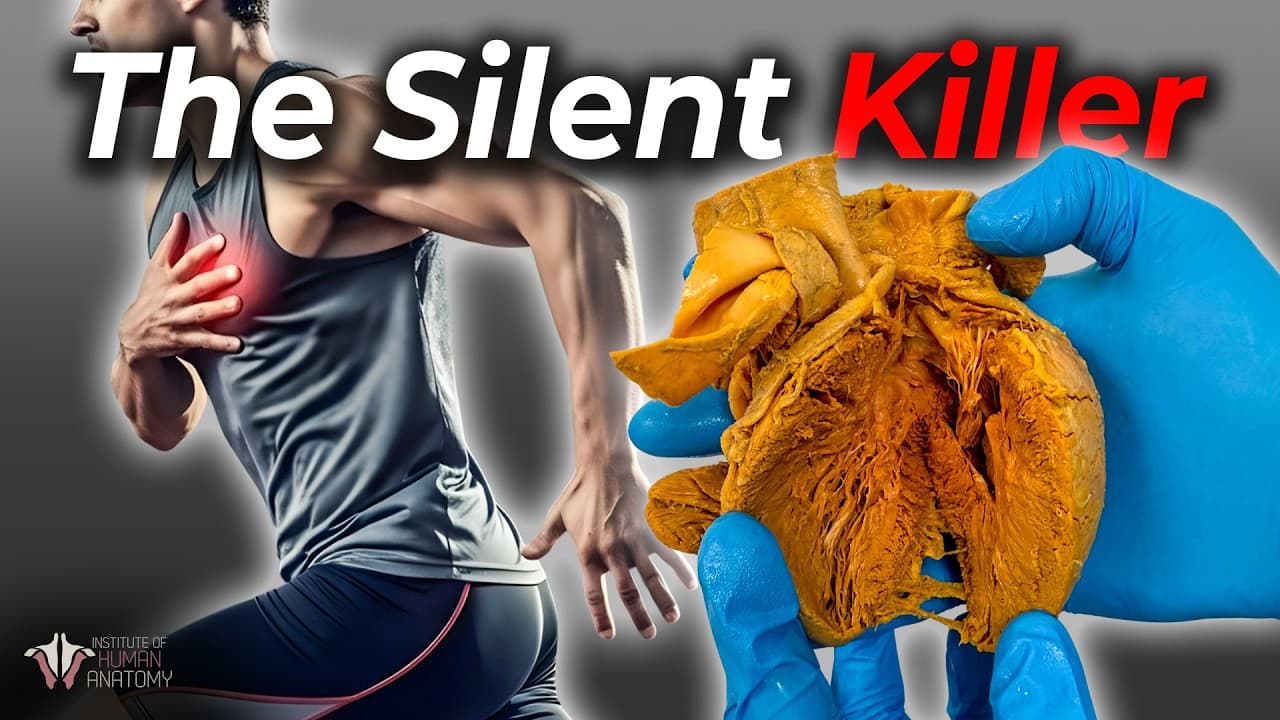
Physical fitness does not eliminate heart attack risk because hidden high cholesterol, family history, high blood pressure, smoking, unmanaged diabetes, and clotting predispositions can still promote coronary plaque. A heart attack commonly begins when plaque ruptures, a clot rapidly blocks blood flow, and heart muscle loses oxygen, so recognizing symptoms and reaching a hospital quickly are critical.
Transcript
One of my favorite things to do with students is to show them how the organs actually sit within the human body. And I especially love opening up the paricardium to show students the real human heart. Now, the heart has actually been on my mind a bit more lately because about a month ago, I was running a half marathon race with my brother and he ha... Read More
Key Insights
- A myocardial infarction is the death of heart muscle tissue caused by inadequate blood supply. A coronary blockage deprives the myocardium of oxygen and nutrients, and the affected tissue can eventually die unless circulation is restored promptly.
- The coronary arteries are the main vessels supplying blood to the myocardium. The left anterior descending artery serves a large area of heart muscle and is nicknamed the widowmaker because a significant blockage there can result in death.
- Atherosclerosis is the buildup of plaques within an artery wall. These plaques consist of fatty deposits involving cholesterol, calcium, and other substances, and they can develop in coronary arteries or elsewhere in the body over many years.
- Coronary artery disease can remain silent until a vessel is about 70% occluded, although the threshold varies with blockage location and individual differences. A stable narrowing may first cause predictable chest pain during exertion that disappears with rest, known as stable angina.
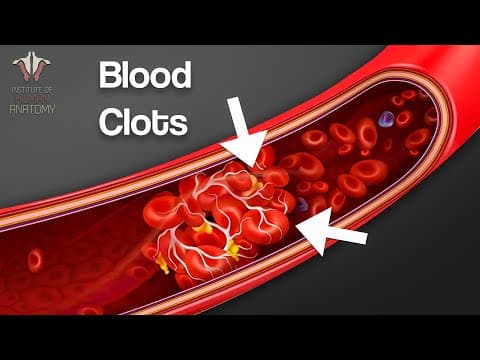
- Plaque rupture is the most common trigger described for a sudden heart attack. The body forms a clot in response to the rupture, but that clot can quickly and completely obstruct the artery, abruptly cutting off blood flow.
- Heart attack symptoms can include chest pain or pressure radiating to the arm, neck, or jaw, shortness of breath, nausea, sweating, and lightheadedness. Women may experience subtler signs, including fatigue or a feeling resembling indigestion, which can contribute to missed recognition.
- Irreversible heart damage can begin within 20–40 minutes when blood flow is blocked. Total blockage may extend the timeframe toward 30–60 minutes, while the exact progression also depends on blockage location, remaining partial flow, and individual variations.
- Physical fitness does not cancel underlying cardiovascular risk. High blood pressure, smoking, unmanaged diabetes, elevated forms of cholesterol, family history, and genetic tendencies involving cholesterol or clotting can damage or irritate arterial lining and promote plaque formation.
Install to Summarize YouTube Videos and Get Transcripts
Explore YouTube Video Summarizer or Get YouTube Transcript Extractor
Questions & Answers
Q: What happens to the heart during a myocardial infarction?
A myocardial infarction occurs when blood flow to part of the heart muscle becomes blocked. The affected myocardium then loses its supply of oxygen and nutrients. If circulation is not restored, muscle tissue begins to die. The seriousness of the event depends partly on where the blockage occurs, how much blood flow remains, and how large an area the obstructed artery supplies.
Q: How does coronary artery disease cause a heart attack?
Coronary artery disease involves atherosclerosis in the arteries that supply the heart. Plaques containing cholesterol, calcium, and other substances accumulate within an arterial wall over years. Although progressive narrowing can restrict circulation, a sudden heart attack most commonly occurs when a plaque ruptures. The body responds by producing a clot, which may rapidly block the artery and stop blood flow downstream.
Q: Why can fit and athletic people still have heart attacks?
Athletic performance and regular exercise do not rule out hidden cardiovascular problems. A seemingly healthy person may still have undiagnosed high cholesterol, a family history of heart disease, genetic tendencies toward elevated cholesterol or clotting, high blood pressure, unmanaged diabetes, or arterial plaque. The example described involves a trained runner who had recently completed a marathon without a major heart problem before experiencing a heart attack during another endurance event.
Q: How much coronary artery blockage can exist without symptoms?
People often do not develop symptoms until a coronary artery or one of its branches is approximately 70% occluded. That figure can vary according to the location of the blockage and individual differences. This means substantial plaque accumulation may progress silently for years. Even a narrowing of that degree does not automatically cause an immediate heart attack if the plaque remains stable.
Q: What is stable angina and when does it occur?
Stable angina is predictable chest pain associated with physical exertion when a stable plaque has substantially narrowed a coronary vessel. Activity raises the heart muscle's demand for blood, but the narrowed artery cannot deliver enough. The discomfort improves when exertion stops and the person rests. A stable narrowing may worsen over time, but sudden heart attacks are more commonly associated with plaque rupture and clot formation.
Q: What symptoms can indicate a sudden heart attack?
Possible heart attack symptoms include chest pain or pressure that may radiate into the arm, neck, or jaw. A person may also experience shortness of breath, nausea, sweating, or lightheadedness. Symptoms can be subtler in women and may appear as fatigue or a feeling similar to indigestion. Because heart muscle damage can begin quickly, suspected symptoms require prompt hospital evaluation and intervention.
Q: Why is rapid treatment important after a heart attack?
Rapid treatment matters because myocardium cannot tolerate severely diminished blood flow indefinitely. Irreversible damage may begin in as little as 20–40 minutes, while total blockage can extend toward 30–60 minutes if some partial flow remains. The exact timing depends on factors including the location of the obstruction. Reaching a hospital sooner improves the opportunity to restore circulation before more heart muscle dies.
Q: How can hospital treatment restore coronary blood flow?
Hospital treatment may include clot-busting drugs intended to break up the obstructing clot. Angioplasty may also be performed by advancing a catheter through the radial or femoral artery to the coronary vessels. A guide wire crosses the blockage, and an inflated balloon compresses plaque and widens the vessel. A metal mesh stent is often deployed to keep the artery open after the balloon is deflated and removed.
Summary & Key Takeaways
-
A myocardial infarction occurs when blocked blood flow deprives part of the heart muscle of oxygen and nutrients, causing tissue death if circulation is not restored. The coronary arteries supply this muscle, and the consequences of a blockage depend partly on its location and the amount of myocardium normally supplied by that vessel.
-
Coronary artery disease develops through atherosclerosis, the accumulation of plaques containing cholesterol, calcium, and other substances within arterial walls. Plaque may grow silently for years, with symptoms often absent until substantial obstruction exists. A sudden heart attack commonly occurs when plaque ruptures and the resulting clot rapidly blocks the affected coronary artery.
-
Fitness cannot reveal every cardiovascular risk. Athletes may still have undiagnosed high cholesterol, inherited predispositions, high blood pressure, unmanaged diabetes, or other factors that encourage plaque formation. Warning signs require urgent attention because irreversible heart damage may begin quickly, while hospital treatments can restore circulation using medication or percutaneous coronary intervention.
Read in Other Languages (beta)
Share This Summary 📚
Summarize YouTube Videos and Get Video Transcripts with 1-Click
Try YouTube Summary with ChatGPT & Claude or YouTube Transcript Generator
Explore More Summaries from Institute of Human Anatomy 📚

Summarize YouTube Videos and Get Video Transcripts with 1-Click
Try YouTube Summary with ChatGPT & Claude or YouTube Transcript Generator