Why Is Fentanyl So Dangerous?
TL;DR
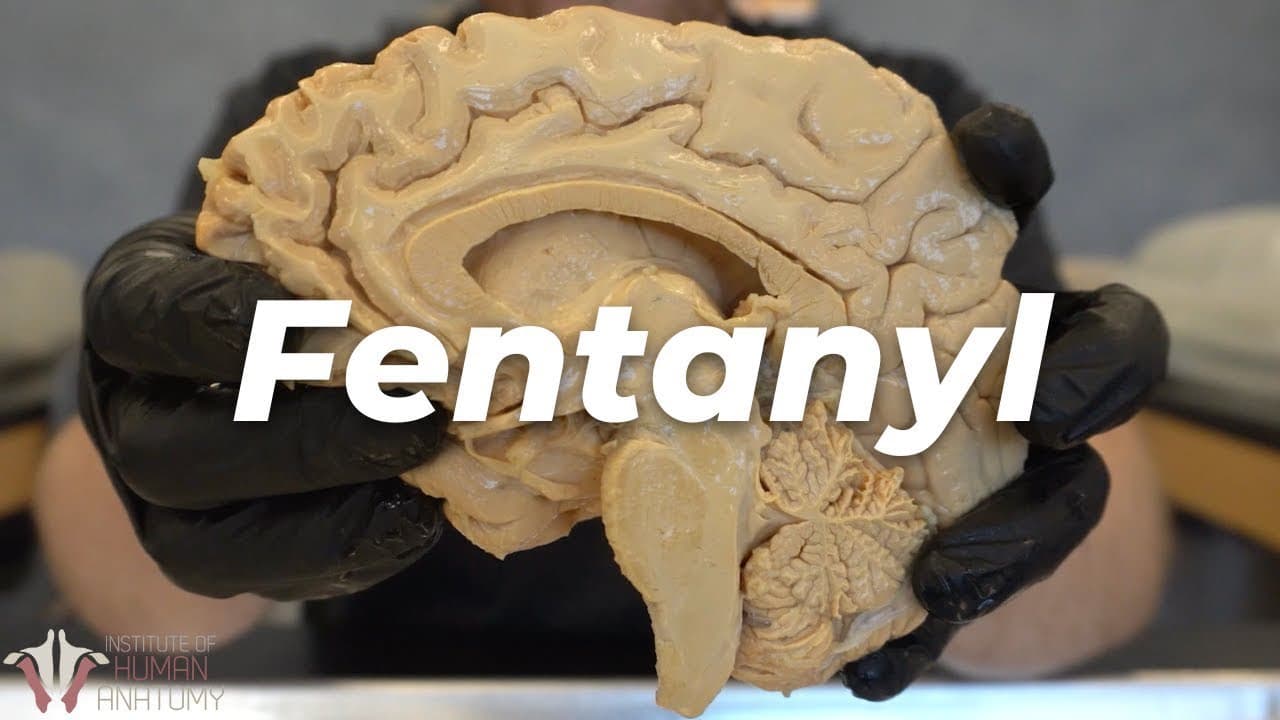
Fentanyl is an extremely potent synthetic opioid, up to 100 times stronger than morphine, making it easy to overdose on. It binds to opioid receptors in the body, affecting pain perception and causing respiratory depression. The opioid crisis is exacerbated by illicit fentanyl, often disguised as other medications, leading to accidental overdoses and severe withdrawal symptoms.
Transcript
Somewhere around 70,000 or so people die each and every year from an opioid related overdose. Back in the early 2,000s, the culprit was Oxycodone, an opioid that most would probably recognize under the name of Oxycontin but in 2013 or so, it was Fentanyl that overtook both Oxycontin and heroin on the center stage in the opioid epidemic. As for who'... Read More
Key Insights
- Fentanyl is a synthetic opioid that is 50 times more powerful than heroin and 100 times more powerful than morphine.
- Only two milligrams of fentanyl can be enough to deliver a fatal dose, making it extremely dangerous.
- Fentanyl is often disguised as other medications, such as Xanax or Adderall, leading to accidental overdoses.
- Opioids, including fentanyl, bind to opioid receptors in the body, affecting pain perception and euphoria.
- The opioid crisis is driven by pharmaceutical greed, overprescription, and illicit production from countries like China, Mexico, and India.
- Naloxone (Narcan) can reverse an opioid overdose by binding to opioid receptors and blocking the effects of opioids.
- Withdrawal from opioids is excruciatingly painful due to the body's adaptation to the absence of pain signals.
- Fentanyl has legitimate medical uses, such as in cancer pain management and during surgeries, but must be administered carefully.
Install to Summarize YouTube Videos and Get Transcripts
Explore YouTube Video Summarizer or Get YouTube Transcript Extractor
Questions & Answers
Q: Why is fentanyl considered so dangerous?
Fentanyl is considered dangerous due to its extreme potency; it is 50 times more powerful than heroin and 100 times more powerful than morphine. This makes it easy to overdose on, as even a small amount, such as two milligrams, can be fatal. Its ability to depress respiratory function and its prevalence in illicit drug markets further increase its danger.
Q: How does fentanyl affect the body?
Fentanyl affects the body by binding to opioid receptors, altering pain perception and producing euphoria. It can depress respiratory centers in the brain, leading to respiratory failure in overdoses. Its interaction with the mesolimbic pathway also contributes to its addictive potential, as it increases dopamine release, creating a sense of pleasure and reward.
Q: What is the difference between opiates and opioids?
Opiates are natural compounds derived from the opium poppy, such as morphine and codeine. Opioids, on the other hand, are a broader category that includes natural opiates, semi-synthetic substances like heroin, and fully synthetic drugs like fentanyl. Opioids bind to and activate opioid receptors in the body, affecting pain and mood.
Q: How is fentanyl contributing to the opioid crisis?
Fentanyl contributes to the opioid crisis by being a potent and often illicitly manufactured drug that is frequently mixed with or sold as other substances, leading to accidental overdoses. Its high potency makes it easy for users to overdose, and its widespread availability exacerbates the epidemic of opioid-related deaths.
Q: What are the legitimate uses of fentanyl?
Fentanyl is legitimately used in medical settings for managing severe pain, such as in cancer patients or during surgeries. It is administered under strict medical supervision to ensure safety and efficacy. Its powerful analgesic properties make it useful for patients who have developed tolerance to other opioids.
Q: How can opioid overdoses be reversed?
Opioid overdoses can be reversed with naloxone, a medication that binds to opioid receptors and blocks the effects of opioids like fentanyl. Naloxone can restore normal respiration in an overdosing individual, but it may also precipitate withdrawal symptoms. It is a critical tool in emergency overdose situations.
Q: Why are opioid withdrawals so painful?
Opioid withdrawals are painful because the body becomes accustomed to the absence of pain signals due to prolonged opioid use. When opioids are removed, neurons that were previously inhibited begin transmitting pain signals again. This sudden return of pain, coupled with the absence of opioid-induced euphoria, makes withdrawal symptoms excruciating.
Q: What role do opioid receptors play in addiction?
Opioid receptors play a crucial role in addiction by mediating the effects of opioids on pain and pleasure pathways in the brain. When opioids bind to these receptors, they inhibit the release of neurotransmitters like GABA, leading to increased dopamine release. This dopamine surge produces euphoria, reinforcing drug-taking behavior and contributing to addiction.
Summary & Key Takeaways
-
Fentanyl's potency makes it incredibly dangerous, as it can easily lead to fatal overdoses with just a small amount. It binds to opioid receptors, affecting pain and respiratory function. Illicit production and mislabeling as other medications exacerbate the crisis.
-
The opioid crisis involves multiple factors, including pharmaceutical malpractice, overprescription, and illicit fentanyl production. Naloxone can reverse overdoses, but withdrawal symptoms are severe, making recovery challenging.
-
Despite its dangers, fentanyl has legitimate medical uses in controlled settings, such as managing severe pain in cancer patients or during surgery. Its misuse, however, contributes significantly to the opioid epidemic.
Read in Other Languages (beta)
Share This Summary 📚
Summarize YouTube Videos and Get Video Transcripts with 1-Click
Try YouTube Summary with ChatGPT & Claude or YouTube Transcript Generator
Explore More Summaries from Institute of Human Anatomy 📚





Summarize YouTube Videos and Get Video Transcripts with 1-Click
Try YouTube Summary with ChatGPT & Claude or YouTube Transcript Generator