How Does Exercise Improve Overall Health?

TL;DR
Exercise is the closest thing to a magic bullet for health, impacting more body systems than any other lifestyle intervention. It enhances cardiovascular efficiency, strengthens muscles and bones, improves metabolic health, and boosts mental well-being. Regular exercise reduces the risk of chronic diseases and mortality, making it essential for longevity and health span.
Transcript
What is the most important thing that you can do for your health? Is it some perfect superfood, diet, or supplement? Is it some perfect sleep routine or meditation retreat? Or could it possibly be cold plunging or use of a sauna? Is there this magic bullet for your health? Well, not totally. And although some of the things that I just mentioned are... Read More
Key Insights
- Exercise is the most comprehensive health intervention, impacting multiple body systems positively.
- Cardiovascular benefits include stronger heart muscles and improved blood vessel health.
- Exercise enhances muscle strength and endurance, crucial for aging well.
- Regular activity improves metabolic health by enhancing insulin sensitivity and fat metabolism.
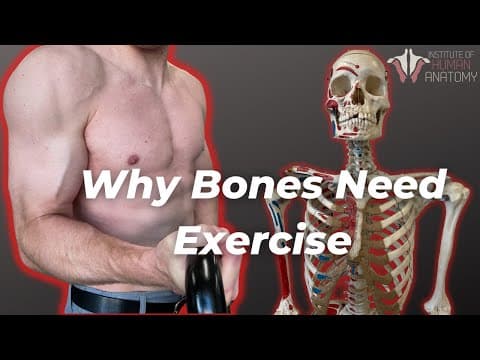
- Bone health is improved through resistance training, reducing osteoporosis risk.
- Exercise boosts mental health by increasing endorphins and reducing stress hormones.
- Moderate exercise strengthens the immune system, reducing infection risks.
- Consistent exercise reduces all-cause mortality by up to 31% with sufficient weekly activity.
Install to Summarize YouTube Videos and Get Transcripts
Explore YouTube Video Summarizer or Get YouTube Transcript Extractor
Questions & Answers
Q: How does exercise improve heart health?
Exercise strengthens the myocardium, the heart muscle, allowing it to pump more efficiently. It increases the size and number of mitochondria in cardiac muscle fibers, improving oxygen utilization and lactate processing. Exercise also enhances blood vessel health, increasing capillarization and reducing plaque formation, which lowers stroke and heart attack risks.
Q: Why is resistance training important for aging?
Resistance training is crucial for maintaining muscle mass and strength as we age, particularly the fast-twitch fibers that atrophy first. It helps preserve functional independence and reduces the risk of falls and fractures. Engaging in regular resistance training can significantly improve longevity and quality of life in older adults.
Q: What are the metabolic benefits of exercise?
Exercise enhances insulin sensitivity, helping to regulate blood sugar levels and prevent type 2 diabetes. It improves mitochondrial function, leading to better energy use and fat metabolism. Regular activity can reverse pre-diabetes trends and lower the risk of metabolic diseases, contributing to overall metabolic health.
Q: How does exercise impact mental health?
Exercise acts as a natural anti-depressant by releasing endorphins and boosting serotonin and dopamine levels. It reduces stress hormones like cortisol, improving mood and reducing anxiety. Regular physical activity enhances cognitive function, memory, and neuroplasticity, potentially delaying the onset of dementia in older adults.
Q: What is the role of exercise in bone health?
Exercise, particularly resistance training and weight-bearing activities, stimulates osteoblasts, which are cells that lay down new bone tissue. This process increases bone density, reducing the risk of osteoporosis and fractures, especially in post-menopausal women who are at higher risk for bone density loss.
Q: How much exercise is needed to reduce mortality risk?
To significantly reduce all-cause mortality, 150 to 300 minutes of moderate exercise per week is recommended, which can lower the risk by 20-21%. Increasing activity to 300 to 600 minutes weekly can reduce the risk by up to 31%. Even 15 minutes of daily exercise can reduce mortality risk by 14%.
Q: What is capillarization and why is it important?
Capillarization refers to the growth of new capillaries, the tiny blood vessels that facilitate oxygen and nutrient exchange in tissues. Exercise promotes capillarization, enhancing the delivery of oxygen and removal of metabolic byproducts from muscles, which improves endurance and overall cardiovascular health.
Q: Does exercise improve immune function?
Yes, regular moderate exercise strengthens the immune system by improving immune cell circulation and reducing chronic inflammation. This lowers the risk and severity of infectious diseases, such as the flu and respiratory infections, making active individuals less likely to get sick or experience severe outcomes if they do.
Summary & Key Takeaways
-
Exercise is a vital component of overall health, affecting every major system in the body. It strengthens the heart, enhances muscle endurance, and improves metabolic efficiency. Regular physical activity also boosts mental health and immune function, making it a powerful tool for reducing chronic disease risks and extending lifespan.
-
The cardiovascular system benefits from exercise through improved heart efficiency and blood vessel health. Muscles grow stronger and more fatigue-resistant, while bones become denser, lowering osteoporosis risk. Exercise also enhances insulin sensitivity and metabolic health, reducing the risk of type 2 diabetes.
-
Mental health sees significant gains from exercise, with increased endorphin release and reduced stress. Regular activity sharpens cognition and memory, delays dementia, and improves sleep quality. Overall, exercise is key to longevity, reducing mortality risk from various diseases.
Read in Other Languages (beta)
Share This Summary 📚
Summarize YouTube Videos and Get Video Transcripts with 1-Click
Try YouTube Summary with ChatGPT & Claude or YouTube Transcript Generator
Explore More Summaries from Institute of Human Anatomy 📚




Summarize YouTube Videos and Get Video Transcripts with 1-Click
Try YouTube Summary with ChatGPT & Claude or YouTube Transcript Generator