How to read behind a person’s mask for hidden truth
TL;DR
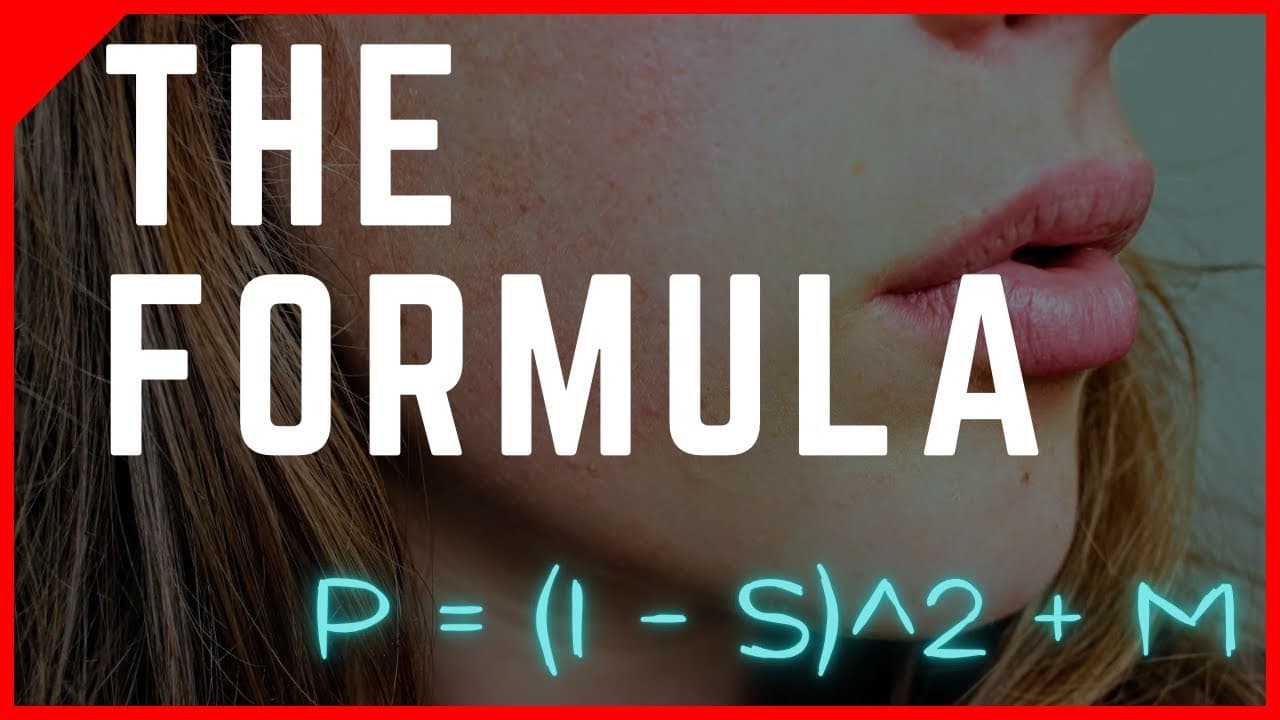
The core idea is that people wear defensive masks to hide inner wounds. By spotting patterns like overachievement, humor, or harsh judgments you can infer the suppressed self and the truth they fear. The Orion principle provides a simple equation to map projected identity, internal ideals, and masked behavior.
Transcript
Imagine being able to see behind anyone's mask. Not just what they say, but what they're trying not to show you. What if you could walk into a room and instantly detect fear and shame, regret, insecurity in anybody that you meet? And it's not as a guess, but like reading code written across their face. What I'm about to show you will change how you... Read More
Key Insights
- The Orion principle defines four components: projected identity, internalized ideal, suppressed self, and mask behavior, and explains how distance between I and S increases mask intensity.
- Masks arise from core fears and are used to shield vulnerabilities, making defensive behaviors appear as strengths or traits rather than hidden wounds.
- Inversion patterns include the tough guy, the people pleaser, the judgy friend, the overachiever, and the class clown, each signaling a specific internal fear and unresolved issue.
- A deep pattern in human behavior is that the thing someone tries the hardest to show is the fear you will not believe, revealing inner truth through surface display.
- The lens of defense mechanisms can reduce judgment by reframing behaviors as responses to fear, not flaws, promoting empathy and understanding.
- Self-awareness is key: recognizing your own masks helps you see them in others and avoid projecting your insecurities onto them.
- Control over perception and fear of being disliked or rejected drive many masking strategies, such as politeness, storytelling, or excessive humor.
- Healing starts when you choose to see behind the mask rather than analyze or label the person, acknowledging shared insecurities and the need to be seen and loved.
- More videos from this channel:
- More from this channel: Chase Hughes
Install to Summarize YouTube Videos and Get Transcripts
Explore YouTube Video Summarizer or Get YouTube Transcript Extractor
Questions & Answers
Q: What is the Orion principle and why does it matter in understanding behavior?
The Orion principle is described as a mirror and map for human behavior, consisting of four elements: projected identity, internalized ideal, suppressed self, and mask behavior. The greater the gap between who we think we should be and who we fear we are, the more extreme the mask and the louder the projection. It matters because it offers a nonjudgmental framework to interpret defenses as signals of hidden wounds, encouraging empathy and self-reflection.
Q: Who are the inversion patterns and what do they reveal about a person’s fears?
Inversion patterns are defense strategies people use to cope with fear. The tough guy hides hurt behind aggression, the people pleaser fears rejection, the judgy friend carries guilt about themselves, the overachiever dreads being seen as not enough, and the class clown uses humor to shield emotional vulnerability. Each pattern reveals a core fear and a wound the person is trying to protect.
Q: How can you tell if overuse of humor signals fear of judgment?
Overuse of humor can indicate a fear of judgment because jokes become a preemptive strike to keep others at a safe distance from perceived vulnerability. If someone relies on constant jokes, it can be a tactic to disarm others before they can see the real emotions beneath the surface, suggesting a guarded, fragile inner state.
Q: What practical action can someone take to apply the Orion principle in daily life?
Practically, you can observe a person’s patterns of defense without labeling them. Look for a mismatch between what they say and how they behave, note reliance on validation or control, and consider what wound the behavior might be masking. This approach promotes curiosity, rather than judgment, and can improve communication and emotional connection.
Q: How does self-recognition affect your ability to understand others according to the video?
Self-recognition is crucial because every insecurity you spot in others often mirrors your own. The mind tends to judge to avoid facing personal flaws, so acknowledging your own masks reduces projection, increases empathy, and helps you engage more honestly with others, potentially leading to mutual healing.
Q: What is meant by the statement that a mask is driven by the fear you will not believe it?
This means people present a version of themselves designed to be credible and acceptable, while concealing fears and insecurities. The more someone tries to appear consistent and flawless, the more they may fear being exposed as imperfect. Recognizing this helps interpret defensive behavior as a cry for acceptance rather than a character flaw.
Q: Why is it important to view defense mechanisms as signals rather than flaws?
Viewing defense mechanisms as signals helps you understand underlying motivations and insecurities instead of making harsh judgments. It fosters compassionate interpretation, reduces conflict, and supports more effective communication by addressing the real issues behind the behavior rather than merely reacting to the surface.
Q: What is suggested as a path to radical healing in the video?
The suggested path is recognizing that behind every mask there is a desire to be seen and loved as one is, and that understanding rather than exposing leads to healing. By embracing the Orion principle, we can transform judgments into insight, support personal growth, and improve our relationships through deeper emotional understanding without forcing change.
Summary & Key Takeaways
-
The video presents the Orion principle, a simple equation that links projected identity, internalized ideals, and suppressed self to the mask we show others. It argues that people reveal defense mechanisms more than actual feelings. Understanding this can reduce judgment and increase empathy.
-
It outlines several inversion patterns such as the tough guy, the people pleaser, the judgy friend, the overachiever, and the class clown. Each pattern signals a hidden fear or wound that the mask helps to conceal.
-
The speaker invites viewers to use the lens of defense mechanisms to see beyond surface behavior and to consider how their own insecurities mirror those they observe in others, potentially leading to personal healing and improved relationships.
Read in Other Languages (beta)
Share This Summary 📚
Summarize YouTube Videos and Get Video Transcripts with 1-Click
Try YouTube Summary with ChatGPT & Claude or YouTube Transcript Generator
Explore More Summaries from Chase Hughes 📚




Summarize YouTube Videos and Get Video Transcripts with 1-Click
Try YouTube Summary with ChatGPT & Claude or YouTube Transcript Generator