How to Reclaim Memory and Focus in a Digital World
TL;DR
Memory and focus can be restored by recognizing the fog, dropping the mask, getting into the body, recovering buried passions, making ordinary things sacred, and leaving a visible trail. These steps counter cognitive drift and digital manipulation by rebuilding attention and identity through mindful practice and deliberate reflection.
Transcript
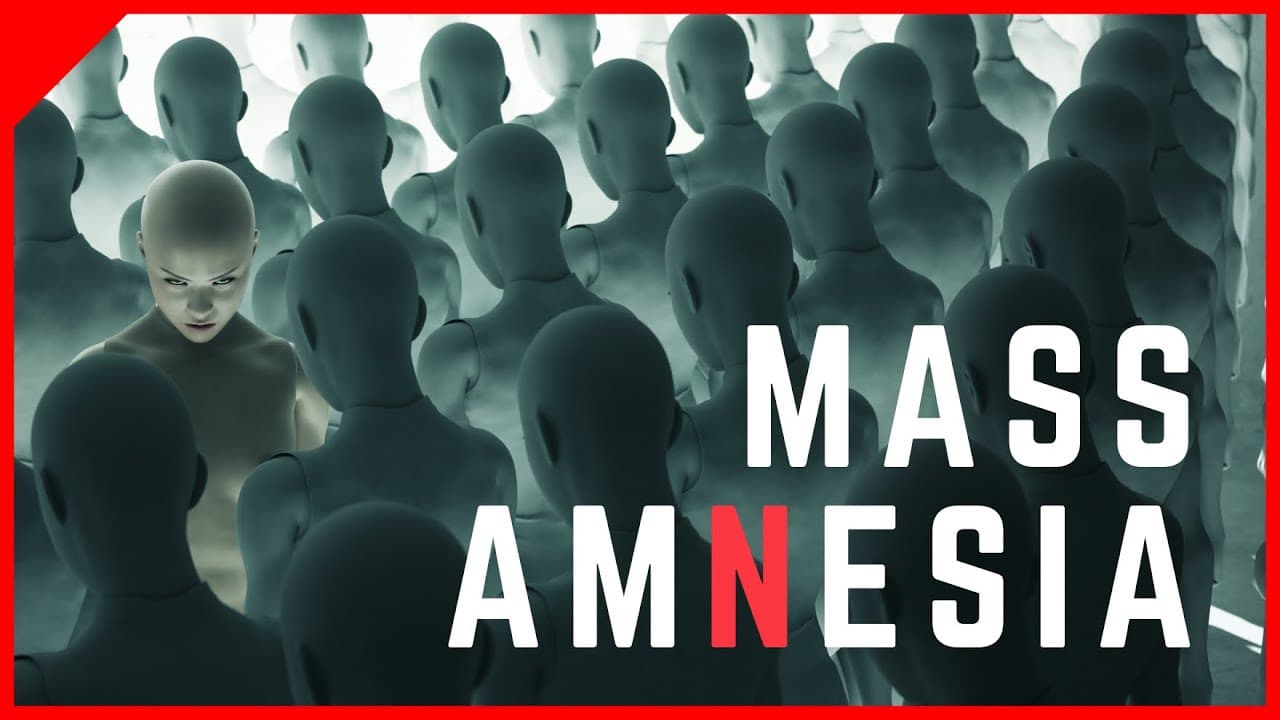
Something is quietly stealing your memory. And if you're not paying attention, it might take your identity with it. Be right back. And this is for sure. This isn't a crisis that you're going to see on the news. It's just a slow fade. It's a blur. It's literally mass amnesia. It's not a call to panic. This is an invitation not to believe, to notice.... Read More
Key Insights
- Memory is being quietly eroded by algorithmic manipulation and constant stimulation.
- Cognitive drift refers to a breakdown in attention and memory encoding caused by overstimulation.
- The fog can be seen and tracked, reducing its power through awareness.
- Dropping the mask helps reveal authentic thoughts and reduces social performance pressure.
- Getting into the body and practicing mindful breathing strengthens neural pathways for memory.
- Recovering buried dreams or passions reactivates motivation and self coherence.
- Making ordinary tasks sacred leverages neuroplasticity to rewire the brain for focus.
- Leaving a physical reminder helps reinforce memory and continuity of self.
- More videos from this channel:
- More from this channel: Chase Hughes
Install to Summarize YouTube Videos and Get Transcripts
Explore YouTube Video Summarizer or Get YouTube Transcript Extractor
Questions & Answers
Q: What is cognitive drift and how does it affect memory and focus?
Cognitive drift is a pattern where attention becomes fragmented and memory encoding declines due to excessive digital input and constant stimuli. It leads to a sense of numbness and a weakened sense of self. By recognizing this drift, one can begin to reestablish control over attention, memory formation, and personal direction through deliberate practices.
Q: How can one identify if they are being influenced by algorithms?
Algorithms predict what sparks anger or loneliness and curate what options are shown. The video frames this as not just manipulation but a gradual reshaping of identity. To identify influence, observe recurring patterns in choices, note if beliefs soften or if attention feels steered by external cues, and seek moments of undistracted reflection.
Q: What are the six steps proposed to remember and reclaim memory?
The six steps are: see the fog and notice the trance, drop the mask and speak three true things, get into the body and practice mindful breathing, recover a buried passion or dream, make ordinary tasks sacred through intention and neuroplasticity, and leave a visible reminder of you being here. Each step is designed to reengage memory and self-authorship.
Q: Why is memory recovery described as not a panic but an invitation?
The speaker frames memory loss as a gradual, reversible process rather than an abrupt crisis. It presents recovery as an invitation to notice what has been forgotten, question the self, and take actionable steps. This framing reduces fear and emphasizes agency, making recovery feel possible and grounded in concrete actions.
Q: What role does neuroplasticity play in the proposed steps?
Neuroplasticity is described as the mechanism by which repeated mindful actions, attention training, and meaningful engagement with tasks can reshape neural pathways. By returning to intentional practices and reactivating long dormant passions, the brain relearns and strengthens connections that support memory encoding, focus, and a coherent sense of identity.
Q: What is the significance of leaving a written reminder to remember?
Leaving a written reminder acts as a tangible cue that reinforces memory and self-awareness. It provides a cue to revisit the commitment to remember, countering the drift of attention. This simple practice anchors personal history and ongoing efforts to recover focus and identity in daily life.
Q: How should one respond when feelings of numbness or apathy arise?
When numbness or apathy arise, the video recommends recognizing the trance rather than fighting it directly. By observing the sensation, one can begin to reengage with attention and body awareness, which helps restore motivation. Acknowledging these states without judgment creates space for adaptive actions that rebuild focus and meaning.
Q: What is the ultimate message about identity in the video?
The message is that identity is not final or easily erased by external systems. Even when memory is fractured, there is a core self that can be remembered and reclaimed. By following the six steps and maintaining conscious attention, a person can rebuild a stable sense of self and resist manipulation.
Summary & Key Takeaways
-
A slow erosion of memory and identity is described as cognitive drift caused by constant digital stimulation and algorithmic manipulation, not a sudden crisis. The video offers a six step method to remember and reclaim one’s inner compass. It emphasizes awareness, authenticity, and practical actions over sensational warnings.
-
The six steps include noticing the trance, speaking truth to oneself, body awareness, reviving passions, sanctifying daily tasks, and leaving a tangible reminder to remember. These steps are presented as neuroplasticity based techniques to restore memory encoding and focus.
-
The overall message is that memory is recoverable and that personal agency, memory, and attention are keys to resisting external control. It encourages questions about what parts of the self have been forgotten and how to reconnect with them.
Read in Other Languages (beta)
Share This Summary 📚
Summarize YouTube Videos and Get Video Transcripts with 1-Click
Try YouTube Summary with ChatGPT & Claude or YouTube Transcript Generator
Explore More Summaries from Chase Hughes 📚

Summarize YouTube Videos and Get Video Transcripts with 1-Click
Try YouTube Summary with ChatGPT & Claude or YouTube Transcript Generator