What Is Simulacra and How Real Is Our Reality?
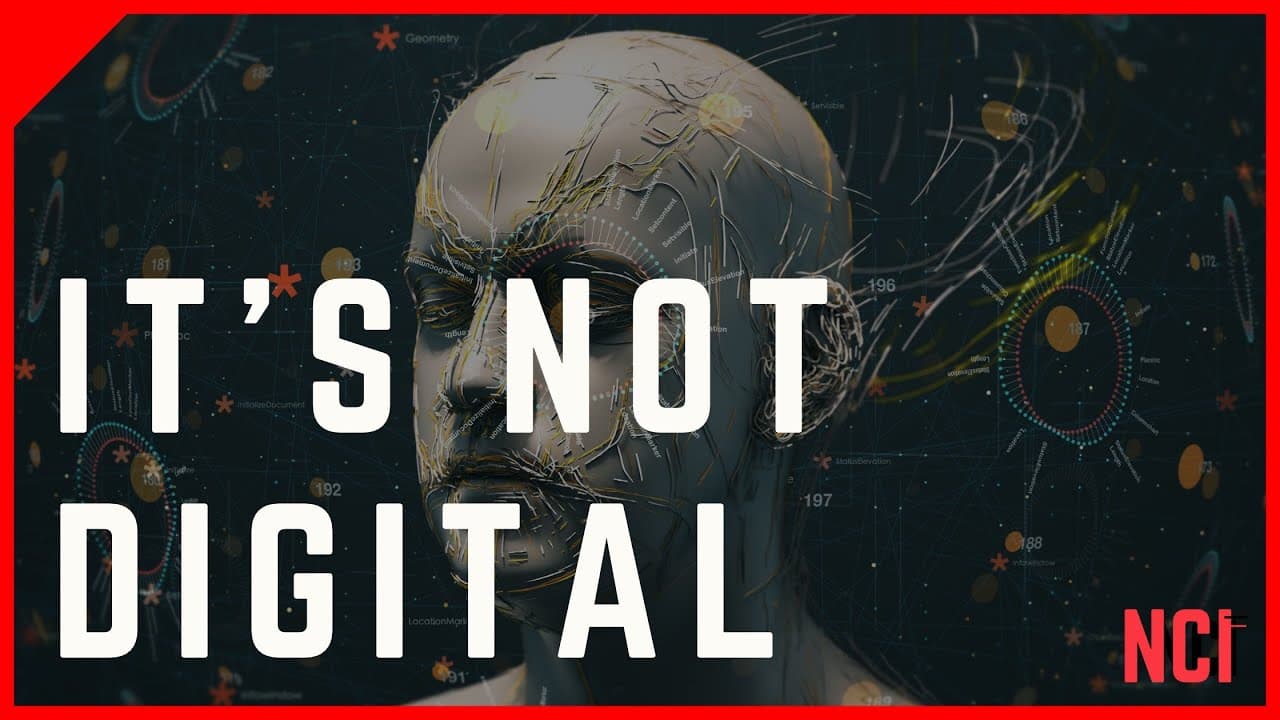
TL;DR
Simulacra distort how we perceive the world by replacing reality with signs, symbols, and simulations. The key idea is that images, brands, and media shapes become the thing itself, creating a hyperreal experience where feel and truth diverge. The solution is to slow down, unplug, and seek moments of genuine, unfiltered reality.
Transcript
This is going to rip a hole in your brain that you cannot plug. It's going to permanently change the way that you see stuff. There's so many symbols and signs that human beings are experiencing a simulation of reality. These simulations are not just mediations of reality. And they're not even descriptive mediations of reality. They're not based in ... Read More
Key Insights
- Simulacra are copies that have no original, representing reality by signs that lose their link to what they refer to.
- The four levels of simulacra describe increasing distance from reality, culminating in a state where reality is indistinguishable from representation.
- Hypermarkets, social media, and branding turn products and people into simulations that define identity and value.
- Baudrillard’s idea is that we live in a world where information outpaces meaning, shaping desire and behavior.
- Our memory and culture are increasingly shaped by media clips and social feeds rather than direct experience.
- The simulation economy prioritizes perception and packaging over actual substance or truth.
- There is potential pockets of realness where genuine interactions and art prevail over manufactured signals.
- To counter the drift, one should slow down, unplug, and reconnect with nature and authentic experiences.
- More videos from this channel:
- More from this channel: Chase Hughes
Install to Summarize YouTube Videos and Get Transcripts
Explore YouTube Video Summarizer or Get YouTube Transcript Extractor
Questions & Answers
Q: What is simulacra and why does it matter today?
Simulacra are copies that have no original, representing something through signs that increasingly lose contact with the thing they refer to. This matters today because media, advertising, and social platforms create a hyperreal environment where experiences feel real, yet are constructed, manipulated, and consumed as part of a larger system that shapes beliefs and desires.
Q: How does Baudrillard’s concept explain social media influence?
Baudrillard argued that in a hyperreal world, representations replace reality. Social media amplifies this by turning people into curated signs of identity. Likes, filters, and posts function as simulacra that define worth and belonging, often detaching from actual life experiences and turning social validation into a primary driver of behavior.
Q: What are the four levels of simulacra mentioned in the talk?
The talk outlines four levels of simulacra starting with faithful copies that still reflect a real original, moving to perversions that obscure the original, then to simulations that no longer connect to reality, and finally to simulacra where the boundary between real and representation vanishes, producing a self referential system.
Q: How can one recognize when something is a simulation rather than real?
Look for signs where meaning is dependent on appearance, branding, or sentiment rather than substance. If an image, product, or memory is designed to evoke a specific feeling or lifestyle rather than convey factual information or direct experience, it is likely part of a simulacral construct.
Q: What role do brands play in creating simulacra, according to the video?
Brands outsource meaning and identity, turning products into symbols of a lifestyle. The affiliation with Nike or Apple is less about the tangible item and more about the idea or aspiration it represents, creating a layer of sign over product that shapes consumer desires and social status.
Q: Why is returning to nature proposed as a remedy in the video?
Nature is proposed as a counterbalance to the hyperreal because it offers direct experience without mediated signs. Reconnecting with natural environments and slowing down can restore authenticity, reduce reliance on curated images, and help reclaim a sense of reality outside manufactured experiences.
Q: What practical steps can reduce the impact of simulacra on daily life?
Practical steps include slowing down to savor real moments, unplugging from constant feeds, seeking genuine art and relationships, and prioritizing experiences over images. By focusing on direct interactions with people and nature, one can cultivate deeper meaning and resist the pull of manufactured signals.
Q: How does the talk describe the effect of simulated reality on memory?
The discussion suggests that memory is increasingly shaped by media clips and representations rather than lived events. As a result, recall becomes mediated by signs and stories constructed for spectacle, weakening the connection between memory and any original experience, and fueling a cycle of continual replacement with new simulations.
Summary & Key Takeaways
-
Summary point 1 explores how signs replace the original in a hyperreal world, altering perception and memory.
-
Summary point 2 discusses the four levels of simulacra and how modern life blends representation with reality.
-
Summary point 3 offers practical takeaways to reclaim authenticity by slowing down and returning to nature.
Read in Other Languages (beta)
Share This Summary 📚
Summarize YouTube Videos and Get Video Transcripts with 1-Click
Try YouTube Summary with ChatGPT & Claude or YouTube Transcript Generator
Explore More Summaries from Chase Hughes 📚

Summarize YouTube Videos and Get Video Transcripts with 1-Click
Try YouTube Summary with ChatGPT & Claude or YouTube Transcript Generator