How to Influence by Borrowing Brain Scripts to Drive Behavior
TL;DR
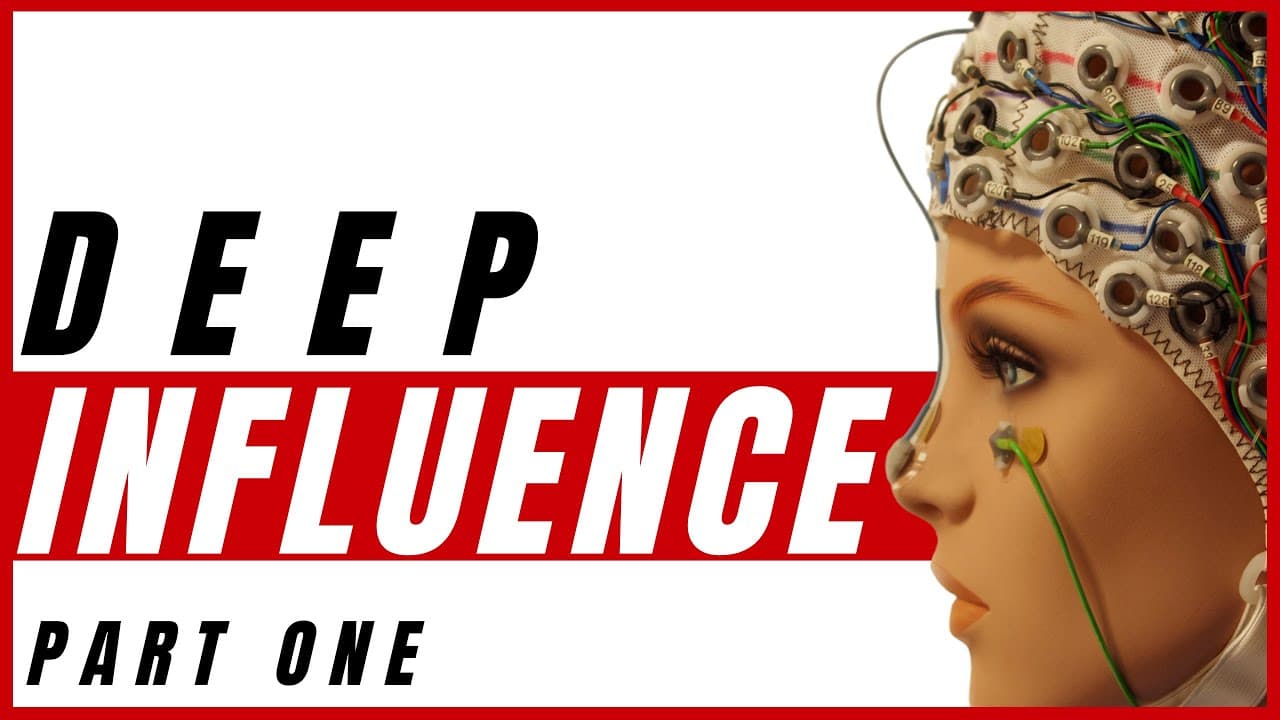
The core idea is that influence works by getting people to borrow from existing scripts and by creating focus through novelty. Depth of understanding and storytelling elevate influence from simply changing thoughts to changing emotions and actions. Mastery comes from aligning environment, patterns, and impulses to guide behavior.
Transcript
I want to really get started in helping you to understand what's in between your ears first before you understand someone else's I want you to understand the concept of how the brain actually works everyone knows someone like this some of us are these people but we all at least know somebody like this we're really stubborn in pursuit of the path le... Read More
Key Insights
- The key to influence is the ability to capture and lead human focus.
- Depth matters: closer to the spinal cord, influence becomes more effective and actionable.
- Stories and emotions trump mere information when persuading someone.
- Pattern recognition from lifetime habits allows you to predict and steer behavior.
- Environmental cues can trigger authority responses and predispose compliance.
- Novelty interrupts scripts and creates rapid focus, accelerating engagement.
- Scripts can be borrowed from social context, turning conversations into behavior patterns.
- Breaking a script is a fast way to reallocate attention and trigger decisive action.
- More videos from this channel:
- More from this channel: Chase Hughes
Install to Summarize YouTube Videos and Get Transcripts
Explore YouTube Video Summarizer or Get YouTube Transcript Extractor
Questions & Answers
Q: How can you start influencing by focusing on the brain stem rather than just the mind?
Influence begins by activating the deepest, most automatic parts of the brain, near the spinal cord. By creating an environment and cues that resonate with primal responses, you move beyond abstract ideas into actions. This approach leverages immediate attention and impulsive tendencies to guide behavior before conscious reasoning engages.
Q: What role do scripts play in driving behavior and how can you use them ethically?
Scripts are habitual sequences that people rely on in daily tasks. By understanding the scripts a person uses in a given setting, you can align your messaging with those patterns to guide choices. Ethically, you should aim to inform and assist, not manipulate, ensuring the person retains autonomy and informed consent.
Q: Why is novelty important in capturing attention according to the video?
Novelty disrupts expected patterns, causing the brain to reallocate attention quickly. This shift from routine processing creates a moment of heightened focus, enabling you to introduce new information or actions. Using novelty responsibly can prevent boredom and increase engagement for longer-term impact.
Q: How does storytelling enhance influence beyond simple facts?
Storytelling engages emotions by portraying experiences and characters, which makes information memorable and compelling. When listeners feel the character’s struggles, the learning becomes experiential rather than abstract, increasing the likelihood they will adopt behaviors or attitudes presented in the narrative.
Q: What is the difference between aiming to change thoughts versus changing emotions?
Changing thoughts attempts to alter beliefs through logic, which can be slow and uncertain. Changing emotions creates a felt experience that guides behavior more directly, as people act on how they feel in the moment. Effective influence blends both, with emotion driving immediate action and thought shaping lasting change.
Q: How can environment influence perception of authority in a conversation?
Environment cues like appearance and setting can prime the brain to respond as if authority is present. A clinical or formal setting signals expertise, prompting greater trust and compliance. Consistent cues across tone, visuals, and context reinforce this effect, making the influence more natural and accepted.
Q: What does it mean to borrow scripts from social context, and how can this be applied?
Borrowing scripts means matching the language, behaviors, and routines people already use around them. By mirroring these cues in conversations, you align with their expectations and reduce resistance. This technique should be used to support genuine communication and improve understanding, not to deceive or manipulate.
Q: How can you ethically break a script to regain attention and drive action?
Breaking a script involves introducing a surprising or novel element that interrupts automatic processing. The moment attention shifts, you can present new information or a call to action. Ethically, ensure the break serves the learner or audience and respects their autonomy and consent.
Summary & Key Takeaways
-
A deep dive explains that the brain uses scripts and patterns to guide behavior, and influence improves when you reach deeper brain levels and evoke emotions rather than only thoughts. The talk emphasizes that focus, novelty, and environmental cues are key levers. It also argues that practical influence combines storytelling with behavioral understanding.
-
The speaker outlines four levels of influence depth from surface messages to spinal cord driven impulses, highlighting that near the base of the brain the observer is most susceptible to influence and impulse creation.
-
It is suggested that effective influence requires predicting and shaping scripts people borrow from their surroundings, while also knowing how to break scripts to seize attention and drive action.
Read in Other Languages (beta)
Share This Summary 📚
Summarize YouTube Videos and Get Video Transcripts with 1-Click
Try YouTube Summary with ChatGPT & Claude or YouTube Transcript Generator
Explore More Summaries from Chase Hughes 📚



Summarize YouTube Videos and Get Video Transcripts with 1-Click
Try YouTube Summary with ChatGPT & Claude or YouTube Transcript Generator