How to Build Influence by Mastering Perception
TL;DR
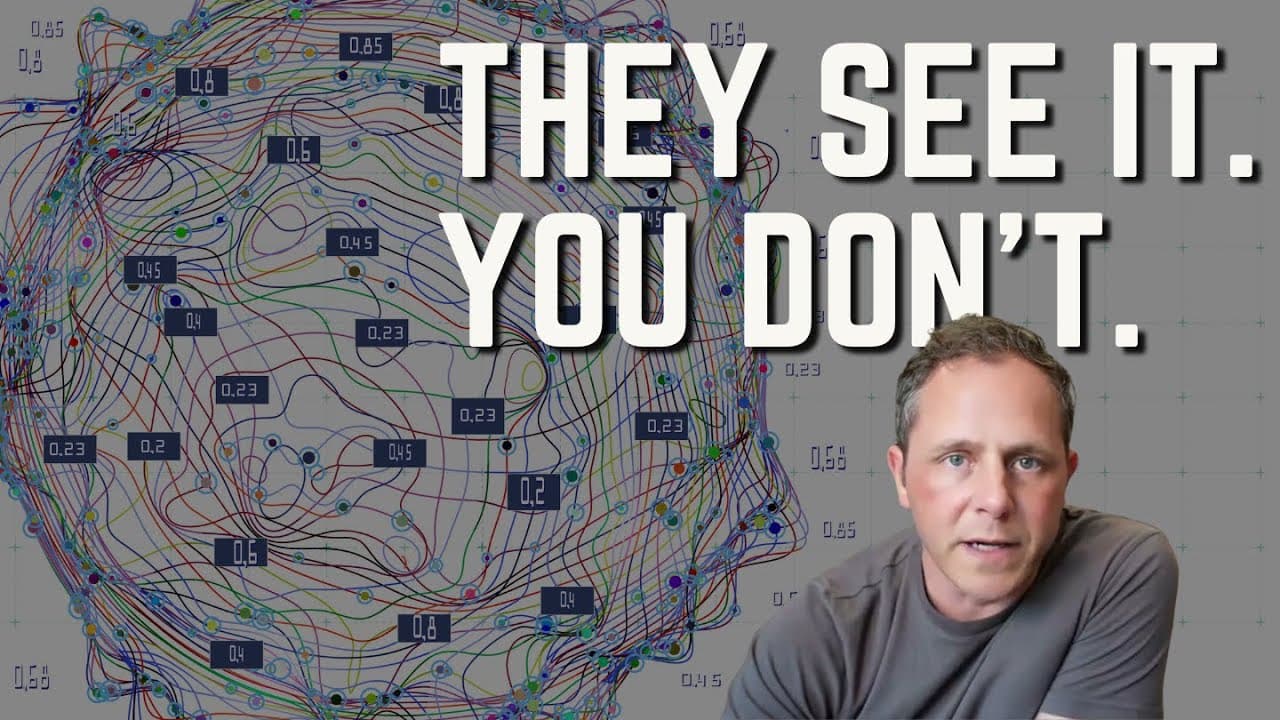
Influence comes primarily from self-command and worldview, not memorized scripts or surface-level tactics. To become more influential, develop a grounded sense of confidence, examine people through increasingly perceptive lenses, and replace judgment with observation, understanding, and self-reflection. Words become persuasive when they express an identity and reality you genuinely embody.
Transcript
You don't understand influence because you never become influential. Think about the difference of doing influence and being influential. People don't think real influence is really possible. Influence doesn't live in techniques. It lives in a person in people. And this is why most people fail. Most people think they know what influence is. They th... Read More
Key Insights
- Influence is an embodied quality rather than a memorized technique. Words carry persuasive force when they come from someone who commands their own body, beliefs, and perception, while identical language can become ineffective when delivered without confidence or self-command.
- Perception is presented as more important than conventional power. The lens through which someone interprets other people shapes emotional reactions, behavioral judgments, and the kind of influence that person can exercise in sales, leadership, persuasion, or personal transformation.
- The first behavioral lens sees people as broken. Through this perspective, unusual or difficult behavior is interpreted primarily as pathology, which encourages the observer to reduce individuals to problems instead of investigating their circumstances, motivations, or relationship to the observer.
- The second and third lenses treat people as different or as facts. Labels and personality categories can produce ego conflicts, while factual observation reduces emotional reactivity by focusing more coldly on traits, patterns, and available behavioral data.
- The fourth lens sees people as reasons. It looks beyond visible conduct to identify the fuel, wounds, and motives behind behavior, allowing the observer to profile actions with greater understanding instead of reacting only to conduct that appears irrational or frustrating.
- The fifth lens sees people as reflections. Other people's flaws and brilliance are treated as mirrors of qualities within the observer, shifting influence away from objectifying people and toward deeper self-mastery, personal responsibility, and recognition of shared human characteristics.
- Scripts are ineffective when separated from the person who made them work. Copying a successful salesperson's exact language does not reproduce that person's confidence, identity, nervous-system state, or command of reality, so repeated revisions to the wording may never solve the actual problem.
- Confidence is created by stripping away limitations rather than manufacturing its visible symptoms. Eye contact, posture, clothing, and conviction may accompany confidence, but imitating those signals does not necessarily create the internal self-belief from which persuasive behavior naturally emerges.
Install to Summarize YouTube Videos and Get Transcripts
Explore YouTube Video Summarizer or Get YouTube Transcript Extractor
Questions & Answers
Q: How can someone become more influential without scripts?
Someone can become more influential by developing self-command instead of collecting persuasive lines. The central work is to strengthen confidence, regulate the body and nervous system, examine limiting beliefs, and adopt a worldview that supports conviction. When a person genuinely embodies the reality behind their words, influence emerges more naturally and requires less dependence on rehearsed techniques.
Q: Why do persuasion scripts often fail?
Persuasion scripts often fail because words cannot reproduce the identity, confidence, and presence of the person who originally used them successfully. A script delivered by someone with social anxiety or little control over their own body and reality can lose its force. Revising the language will not correct an underlying problem of self-belief or self-command.
Q: What are the five lenses for understanding behavior?
The five lenses view people as broken, different, facts, reasons, and reflections. The first emphasizes pathology, the second emphasizes labels and personality differences, and the third emphasizes detached behavioral data. The fourth searches for motives and wounds behind conduct. The fifth treats another person's flaws and brilliance as reflections of qualities within the observer.
Q: How does the fifth lens support self-mastery?
The fifth lens supports self-mastery by treating every person as a reflection rather than merely an external object to analyze or influence. Another person's dysfunction and brilliance can reveal corresponding qualities in the observer. This perspective encourages responsibility, self-examination, and a worldview in which understanding others becomes inseparable from understanding and mastering oneself.
Q: What is the difference between doing influence and being influential?
Doing influence means applying techniques, scripts, or memorized tactics in an attempt to persuade someone. Being influential means embodying confidence, conviction, perception, and self-command so thoroughly that influence emerges without forced performance. The distinction matters because techniques remain weak when they are disconnected from the speaker's identity, worldview, and control over their own reality.
Q: Why is perception more important than power?
Perception is described as more important than power because a person's interpretive lens determines how they understand and respond to other people. Seeing pathology, labels, facts, motives, or reflections produces different reactions and outcomes. Influence therefore depends on making a more perceptive worldview an everyday operating system, not simply possessing techniques or formal authority.
Q: How can a person build genuine confidence?
Genuine confidence is built by remembering existing capabilities and releasing beliefs or habits that suppress them. Eye contact, posture, vocal conviction, and particular clothing may resemble confidence, but they are outward symptoms rather than its cause. The deeper task is to prepare the nervous system, strengthen self-belief, and decide what kind of person to become.
Q: How should salespeople improve their influence?
Salespeople should look beyond copying a top performer's exact words and examine the qualities that make those words effective. Confidence, self-command, worldview, presence, and the ability to understand another person's motives all shape results. A script may remain useful, but repeatedly changing it will not solve problems rooted in the salesperson's identity or internal state.
Summary & Key Takeaways
-
Influence is presented as an expression of identity rather than a collection of persuasive techniques. Scripts cannot compensate for anxiety, weak self-belief, or poor self-command. The same words can produce very different results depending on the speaker's conviction, presence, worldview, and ability to regulate their own body and reality.
-
The five behavioral lenses progress from viewing people as broken, different, or factual to seeing their underlying reasons and ultimately recognizing them as reflections. The framework becomes useful only when it operates as an everyday worldview. Memorizing the categories without changing perception does not create greater understanding, confidence, or influence.
-
Confidence is described as a process of removing internal obstacles rather than copying visible behaviors such as eye contact, posture, clothing, or vocal conviction. Those behaviors are symptoms rather than causes. Meaningful change comes from remembering existing capabilities, releasing limiting beliefs, preparing the nervous system, and deciding what kind of person to become.
Read in Other Languages (beta)
Share This Summary 📚
Summarize YouTube Videos and Get Video Transcripts with 1-Click
Try YouTube Summary with ChatGPT & Claude or YouTube Transcript Generator
Explore More Summaries from Chase Hughes 📚




Summarize YouTube Videos and Get Video Transcripts with 1-Click
Try YouTube Summary with ChatGPT & Claude or YouTube Transcript Generator