How to Get IELTS Speaking Band 9: Real Test Example
TL;DR
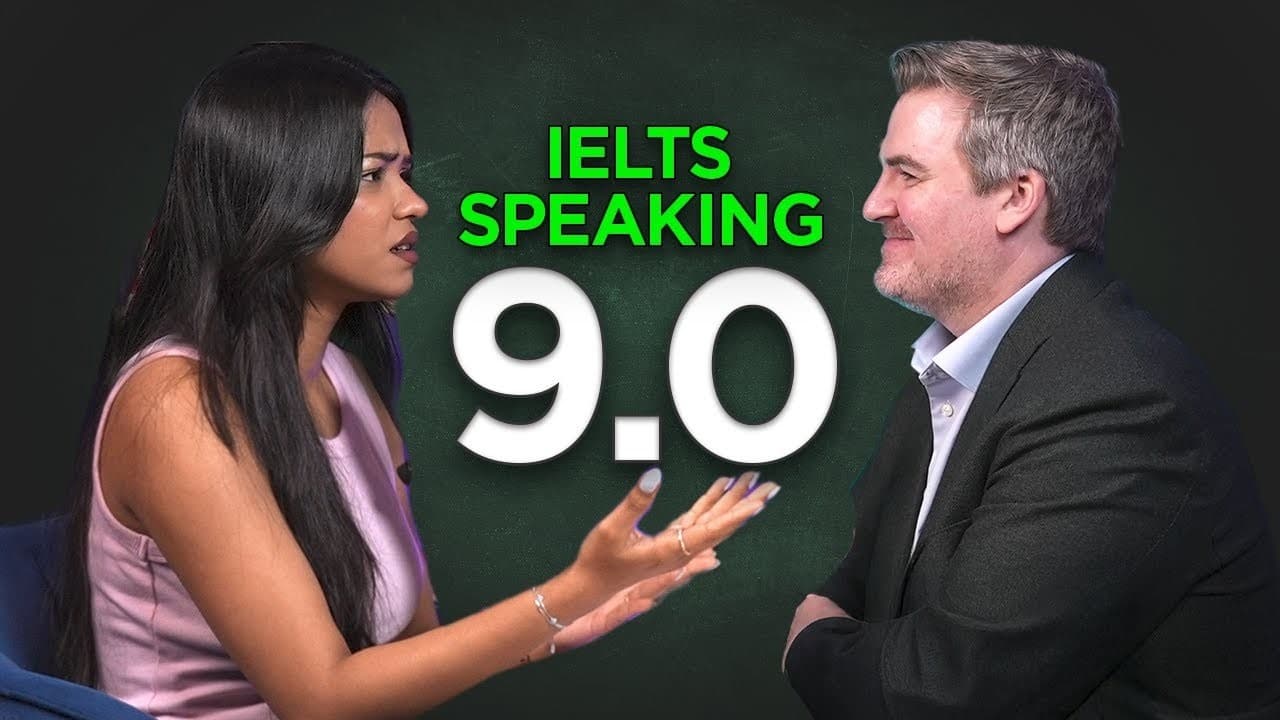
Band 9 speaking answers stay fluent by extending everyday topics with feelings, personal opinions, and concrete examples rather than short replies. The student describes drinks, healthy eating, cooking, and homes in layered detail, and her examiner notes she shines most when relating topics to emotions, showing candidates should steer answers toward their natural strengths.
Transcript
Let's start off by talking about drinks. What's your favorite drink? My favorite drink would be coffee. Every morning that I wake up, I have to have my coffee first before I even eat my breakfast. And which is not very healthy, I know, but I prefer that way. Are there any drinks you drink in the summertime to cool down? Yes, I do actually. I have a... Read More
Key Insights
- Band 9 fluency comes from extending simple questions with detail, examples, and personal opinion. When asked about a favorite drink, the student names coffee, adds her daily habit, and admits it is not healthy, turning a one-word answer into a natural, developed response.
- Relating topics to feelings and emotions is a recognized speaking strength. The examiner tells the student she 'shines' whenever she talks about emotions, becoming more fluent and able to dig deep, which lets her sustain longer, richer answers under pressure.
- Candidates should steer stuck answers toward their strengths. The examiner advises that if she feels stuck, she can move the conversation toward how she or other people feel, since discussing others' feelings comes much more easily to her.
- Different students excel at different response styles. The examiner describes himself as analytical, better at stories and examples, and admits he 'can't talk about feelings,' illustrating that there is no single correct Band 9 personality or approach.
- Concrete examples strengthen everyday-topic answers. For the healthiest drink, the student describes a specific smoothie of spinach, kale, flax seeds, a spoonful of organic honey, and a fruit, showing how detail makes a general answer vivid and credible.
- Personal opinions can be developed while staying diplomatic. The student explains she gravitates toward vegetarian food as a personal choice, says eating animals is not the healthiest option, then acknowledges 'not everyone agrees,' balancing a strong stance with awareness of other views.
- Part 3 answers work best by exploring reasons and emotions behind behavior. Asked why some people neglect their homes, she links it to how people feel emotionally, lack of motivation, and not feeling like they belong internally rather than to the home itself.
- Full answers connect ideas to broader themes and the future. Describing a bookshelf she bought online, the student explains it reflects her personality, brings her joy, and is something she can share as she grows older, extending a simple object into meaning.
Install to Summarize YouTube Videos and Get Transcripts
Explore YouTube Video Summarizer or Get YouTube Transcript Extractor
Questions & Answers
Q: How can I sound like a Band 9 in IELTS Speaking?
Band 9 speaking in this test comes from extending every question with detail, examples, personal habits, and opinions instead of short answers. The student turns simple prompts about drinks or exercise into developed responses, mentioning her daily coffee routine, specific smoothie ingredients, and how she feels about cooking. She stays fluent, connects ideas to emotions and broader themes, and speaks naturally rather than reciting memorized lines, which is what makes her answers sound effortless and complete.
Q: What is the examiner's advice for when you feel stuck during the speaking test?
The examiner advises the student that whenever she feels a little stuck, she should try to move the conversation toward feelings and emotions, since that is where she naturally shines and becomes most fluent. He notes she does not even have to discuss her own feelings; talking about how other people feel, as she does in Part 3 questions, comes much more easily to her. The key is steering answers toward your personal strength to keep speaking smoothly.
Q: Why does talking about feelings help this student get a high band score?
The examiner observes that the student really shines when she can relate topics to feelings and emotions, becoming noticeably more fluent and able to dig deep into a topic. When she discusses emotions she sustains longer, richer answers, which supports a higher band. He contrasts himself as analytical and unable to talk about feelings, illustrating that identifying and leaning into your own natural strength, whether emotional or analytical, helps you speak more confidently.
Q: What healthy drinks and foods does the student describe?
The student names coffee as her favorite drink, though she admits it is not very healthy. For summer she likes a drink called Barban, a low-sugar brand called Freeze, and fresh lime juice as healthier options. Her healthiest choice is smoothies made with leafy greens like spinach and kale, flax seeds, a spoonful of organic honey, and a fruit. For staying healthy she eats protein, leafy greens, vegetables, and nuts, and prefers vegetarian food.
Q: How often does the student exercise to stay healthy?
The student says she exercises every day for about an hour and a half. Even on days when she does not feel motivated, she tries to walk it out, get on the treadmill for a bit, or do some basic yoga poses with her mom, which makes her feel less guilty about skipping her workout. She frames exercise as a must alongside a proper diet of protein, leafy greens, vegetables, and nuts for staying healthy.
Q: Do you need to spend a lot of money to make a home look nice?
The student does not think you need to spend a lot of money to make a home look nice. She points out that people today are more into recycling and doing things themselves, so they DIY items at home, which she strongly supports. She notes many reusable things end up wasted unnecessarily, and adds that you can also thrift furniture and decor. Her overall view is that creativity and reuse matter more than spending.
Q: Is it better to live in an apartment or a house according to the student?
The student says it depends on where you are located, since she has lived in both an apartment and a home and found both really nice. She feels apartments seem a bit shared, while a home feels like your own family space, describing how growing up in a house felt like the four walls were their own. In apartments you have to be careful about everything because you live alongside many other people in the same building.
Q: Why did the student buy a bookshelf and what does it mean to her?
The student bought a bookshelf online last month, feeling hesitant at first about whether it would be the perfect bookcase, but she ended up adoring it. She wanted to build her own mini library because she loves reading and had outgrown her smaller previous shelf now that she owns more books. She has categorized everything, enjoys browsing it in her free time, and feels it reflects her personality and something she can share with others as she grows older.
Summary & Key Takeaways
-
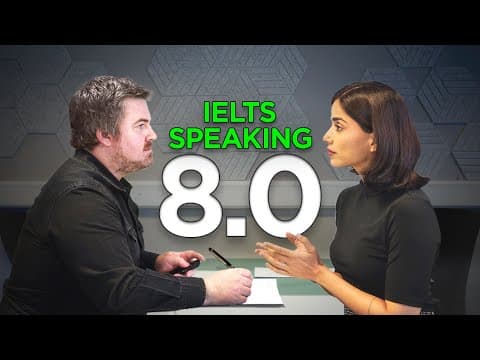
The video shows a real IELTS Speaking test with a Band 9 student answering questions across all three parts on drinks, healthy eating, cooking, and homes. She keeps answers fluent and natural by adding detail, examples, personal habits, and opinions rather than replying briefly to each question.
-
Her answers layer specifics: a daily coffee habit, low-sugar drinks and fresh lime juice, a detailed green smoothie recipe, a diet built on protein and leafy greens, daily hour-and-a-half workouts, and walking as her country's popular way to keep fit. Cooking is described as therapeutic and a way to feed others.
-
In Part 3 she discusses why people buy many things, argues you can make a home nice cheaply through DIY and thrifting, and links home neglect to emotional state. The examiner concludes by noting she excels at emotional topics and advises steering stuck answers toward feelings, her natural strength.
Read in Other Languages (beta)
Share This Summary 📚
Summarize YouTube Videos and Get Video Transcripts with 1-Click
Try YouTube Summary with ChatGPT & Claude or YouTube Transcript Generator
Explore More Summaries from IELTS Advantage 📚

Summarize YouTube Videos and Get Video Transcripts with 1-Click
Try YouTube Summary with ChatGPT & Claude or YouTube Transcript Generator