How to Learn English from Zero with Daily Practice
TL;DR
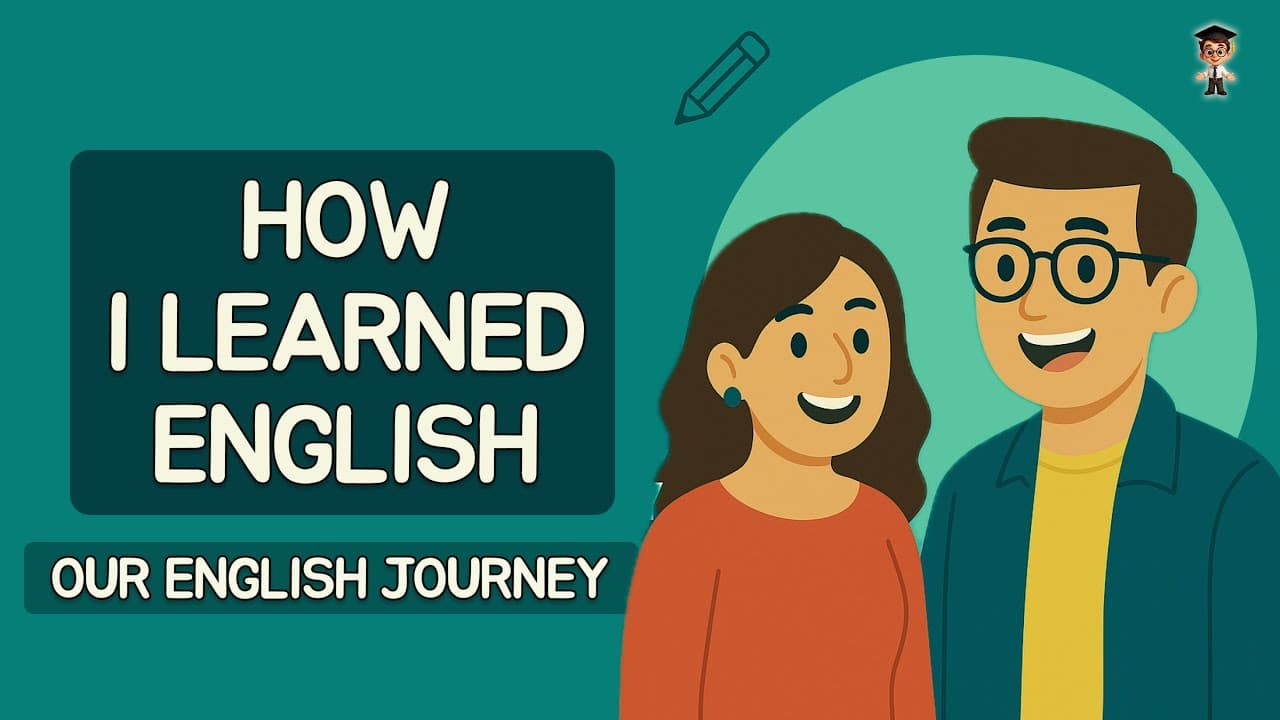
Start with simple, enjoyable English activities such as songs, cartoons, children’s books, and a notebook of new words. Practice aloud, speak before you feel fully confident, and study basic grammar gradually. Consistent daily sessions of 15–20 minutes, patience, and acceptance of mistakes can help you make steady progress without becoming overwhelmed.
Transcript
Hello everyone and welcome back to Mr. English channel where learning English is easy and fun. I'm Emily >> and I'm Paul. It's so good to be here with all of you again. How are you today, Emily? I'm great, Paul. Really, really good. I'm excited about our topic today. How about you? >> I'm fantastic. Super excited, too. This topic is very special. B... Read More
Key Insights
- Listening is an accessible first step for a complete beginner. English songs can help learners become familiar with pronunciation and rhythm even when they understand very little, and attempting to sing along provides early practice producing unfamiliar sounds.
- A vocabulary notebook is a simple way to build English word by word. Writing down every new word, beginning with basic examples such as hello, apple, and house, then saying each item aloud connects written vocabulary with spoken practice.
- Cartoons are useful beginner materials because they combine clear, relatively slow English with visual clues. Watching once without subtitles can build familiarity with the sounds, while watching again with English subtitles helps connect those sounds to written words.
- Children’s books make reading manageable through easy vocabulary, short sentences, and supportive pictures. Reading these stories aloud can connect written and spoken English while giving beginners the motivating experience of successfully understanding a complete piece of content.
- Speaking confidence grows through small, repeated attempts. Starting with one word, discussing familiar subjects, repeating common phrases, creating basic sentences, and talking to yourself can reduce pressure while training the mouth and tongue to produce English.
- Grammar is important, but it does not need to dominate the earliest stage. Beginners can first focus on understanding and being understood, notice patterns in simple texts, and then study basic rules and simple tenses one step at a time.
- Pronunciation improvement requires focused repetition of difficult sounds. Emily addressed unfamiliar sounds by watching videos that demonstrated tongue placement and practicing repeatedly, showing that physical articulation skills can develop gradually with time and sustained effort.
- Consistency is more valuable than infrequent intensive study. The speakers recommend practicing for 15–20 minutes each day, choosing enjoyable activities, taking short breaks when frustrated, accepting mistakes, and celebrating small achievements throughout the long learning process.
Install to Summarize YouTube Videos and Get Transcripts
Explore YouTube Video Summarizer or Get YouTube Transcript Extractor
Questions & Answers
Q: How can a complete beginner start learning English?
A complete beginner can start by listening to English songs, recording simple new words in a notebook, and saying those words aloud. Cartoons and children’s books are also suitable because they use clearer language, short sentences, pictures, and visual context. The goal at first is to take small steps, become familiar with English sounds, and avoid trying to master everything at once.
Q: How can songs help beginners learn English?
English songs can introduce beginners to the sound and pronunciation of the language before they understand every word. Paul listened mainly to pop and some rock music, then tried to sing along even when he could only imitate the sounds. This repeated listening and vocal practice helped make English feel familiar and provided pronunciation practice in an enjoyable format.
Q: How should beginners use cartoons and subtitles?
Beginners can watch simple cartoons because the speech is clear and slow, while the visuals provide clues about meaning. Paul first watched without subtitles so he could concentrate on the sound of English. He then watched the same material again with English subtitles, allowing him to see the words and connect their written forms with the sounds he had already heard.
Q: How can beginners overcome the fear of speaking English?
Beginners can reduce speaking anxiety by starting with one word, a memorized phrase, or a very simple sentence. Safe practice options include talking to yourself, repeating phrases several times, or discussing familiar subjects with a kind language exchange partner. Mistakes should be treated as part of learning because speaking practice is necessary for improvement, even when it initially feels uncomfortable.
Q: What are effective ways to practice spoken English alone?
A learner can practice alone by repeating useful phrases, building simple sentences, reading easy stories aloud, and talking to themselves in private places such as the shower or car. This creates a low-pressure environment where mistakes do not feel embarrassing. Repetition also develops muscle memory in the mouth and tongue, making familiar words and sentence patterns easier to produce later.
Q: When should a beginner start studying English grammar?
Grammar can be introduced gradually after a beginner has started developing basic understanding and communication skills. The speakers recommend first noticing how sentences are formed in simple stories, then studying basic rules such as the verb ending used with he, she, and it. Simple present, past, and future forms can be added one at a time instead of learning many rules simultaneously.
Q: How can English learners stay consistent and motivated?
English learners can stay motivated by choosing activities they already enjoy, such as music, cartoons, stories, or television shows. They should practice a little each day because 15–20 minutes daily is described as more effective than a large session once a week. Taking a short break during frustration, returning with fresh attention, and celebrating each new word or sentence can support consistency.
Q: How can learners improve difficult English pronunciation?
Learners can improve difficult pronunciation by watching demonstrations that show how the mouth and tongue should move, then practicing the sound repeatedly. Emily used this approach for the th sound because it was not present in her native language. Pronunciation takes time, so progress depends on patient repetition rather than expecting an unfamiliar sound to become natural immediately.
Summary & Key Takeaways
-
The learning journey began with accessible activities. Paul listened to English songs and attempted to sing along, while Emily recorded simple words in a notebook and pronounced them aloud. They later used cartoons, English subtitles, children’s books, pictures, and short sentences to connect spoken and written English without becoming overwhelmed.
-
Speaking became easier through small, low-pressure steps. Paul repeated useful phrases, created basic sentences, and talked to himself in private. Emily practiced simple topics with an online language exchange partner and labeled household objects with sticky notes. Both accepted mistakes as necessary and found that kind responses helped reduce anxiety.
-
Grammar was introduced gradually by noticing sentence patterns and studying basic rules after developing some comprehension. Pronunciation required repeated physical practice, while frustration was managed through short breaks. The central recommendation is to practice for 15–20 minutes daily, choose enjoyable materials, remain patient, and celebrate every small improvement.
-
Key Insights
Read in Other Languages (beta)
Share This Summary 📚
Summarize YouTube Videos and Get Video Transcripts with 1-Click
Try YouTube Summary with ChatGPT & Claude or YouTube Transcript Generator
Explore More Summaries from Mr. English Channel 📚

Summarize YouTube Videos and Get Video Transcripts with 1-Click
Try YouTube Summary with ChatGPT & Claude or YouTube Transcript Generator