How to Find Peace by Living in the Present
TL;DR
Peace becomes accessible when you allow the present moment to be as it is, notice sensory experience, and feel the aliveness within your body. Thoughts and emotions can still arise, but observing them without automatically following or believing them creates a different relationship with the mind and reduces the psychological suffering added to physical or emotional pain.
Transcript
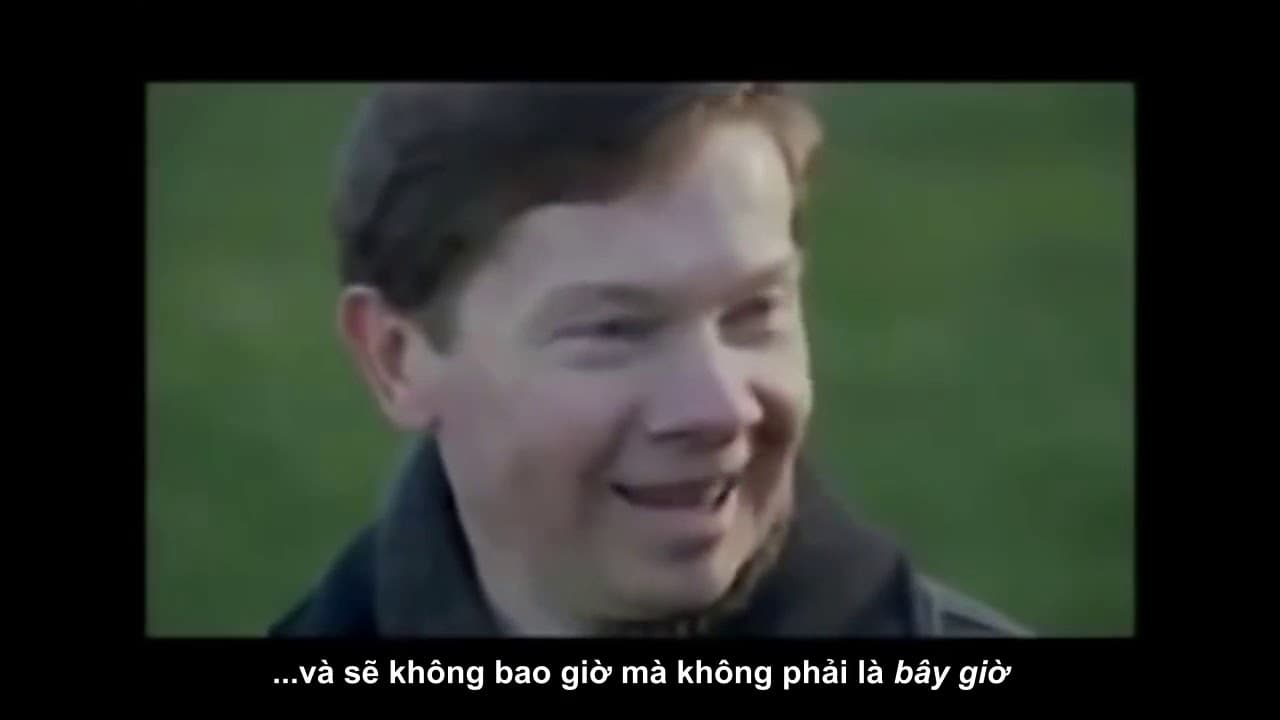
when I had been in my darkest moment I happy to read the power of now what Eckart Tolle had to say about happiness has been the impetus to go on this journey it was in Vancouver to meet him you were there on a park bench for two years and you you slept on the park bench rally but I did spend most of the days on park benches in parks different parks... Read More
Key Insights
- Present awareness is the practice of allowing sights, sounds, sensations, people, thoughts, and emotions to be as they are without adding immediate interpretation. This alert openness can reveal peace in the background, even while the phenomenal world continues to change.
- Awareness is the wider space in which events, thoughts, emotions, and reactions occur. Recognizing oneself as that awareness requires direct observation and stepping back from mental interpretation, rather than merely adopting the idea as another concept.
- The body's inner aliveness is an anchor to the present moment. Keeping some attention on this inner energy while perceiving the outside world makes it easier to observe experience without interpretation and remain rooted in what is happening now.
- Thoughts are events that can be watched without being followed. Just as a person can observe a dog walking past, a person can notice a thought arise, allow it to continue on its way, and choose whether engaging with it is useful.
- Practical thinking is useful when planning or action is actually required. After making a call, arranging travel, or planning for the coming week, attention can return to present experience instead of remaining absorbed in imagined future moments.
- Psychological suffering is a mental layer added on top of pain. It involves an unhappy personal story and a mentally constructed sense of self, which can intensify distress and also cause suffering for the people nearby.
- Presence is incompatible with treating the current moment as an enemy. Becoming fully attentive first allows necessary action to emerge from the present, while constant resistance, grasping, interpretation, and future-focused thought obscure the aliveness already available.
- Forgetting the present is a recurring habit, not a final failure. The instant someone recognizes that attention has wandered into thought, that recognition creates the possibility of returning to sensory awareness, bodily aliveness, and a more alert state of consciousness.
- Related book: The Power of Now
- Export your Kindle highlights to Glasp: How to Download Highlights and Notes from Kindle
- More videos about this book:
- More videos with Eckhart Tolle:
Install to Summarize YouTube Videos and Get Transcripts
Explore YouTube Video Summarizer or Get YouTube Transcript Extractor
Questions & Answers
Q: How can I practice being present in everyday life?
Allow the immediate environment to be as it is and notice sounds, sights, light, people, water, and bodily sensations without quickly naming or interpreting them. At the same time, feel the inner aliveness throughout the body. If a thought appears, observe it as an event in the mind. Follow it only when doing so serves a practical purpose.
Q: How do I observe thoughts without getting carried away?
Notice a thought arising in the same way you would notice something passing through the outside world. The thought may try to lead toward a question, memory, or future concern, but you do not have to follow it. Watching it without resistance reveals that you are larger than your thoughts and do not need to be dominated by each one.
Q: Why does focusing on the body help with presence?
Feeling the inner life of the body roots attention in immediate experience. Some attention can remain with that aliveness while the rest perceives the surrounding world. This makes perception without interpretation easier and reduces the tendency to drift entirely into thought. When presence returns, bodily aliveness and sensory details become more noticeable.
Q: Does living in the present mean I should stop planning?
Living in the present does not require abandoning useful thought or practical planning. There is a proper time to consider tomorrow, arrange travel, make a phone call, or plan the coming week. The important distinction is to think when action requires it, complete the practical matter, and then return attention to the present instead of remaining lost in the future.
Q: What is the difference between pain and suffering?
Physical or emotional pain may still occur, including bodily discomfort or the pain of losing someone. Suffering is described as another level placed on top of pain. It develops through a mental story about an unhappy personal identity. That constructed story can greatly increase distress and can also spread suffering to other people nearby.
Q: Why does the mind resist the present moment?
Thought has difficulty tolerating alert presence because presence does not require another explanation or conceptual answer. The mind may quickly introduce questions such as what something means or what will happen next. It tries to regain control through understanding. Letting go of that need for only the current moment creates space to experience what is directly here.
Q: What should I do when I forget to stay present?
Recognize the forgetting without turning it into another problem. The moment you notice that attention was lost in thought, you can choose to reenter the present. Begin by becoming more aware of sensory perception, then feel the life within the body. Repeatedly losing and remembering presence is considered sufficient for continuing the practice.
Q: Can I still enjoy relationships and activities while practicing presence?
Presence does not prevent action, relationships, enjoyment, or engagement with the world. Life can be approached as a playground in which you act and relate without becoming completely lost in events or thoughts. Even attraction can simply be noticed without adding a judgment that it conflicts with being spiritual. The central change is freedom from automatic mental domination.
Summary & Key Takeaways
-
Present awareness begins by allowing sounds, sights, bodily sensations, people, and surroundings to exist without immediately interpreting them. This alert observation reveals a peaceful background beneath changing events, thoughts, emotions, and reactions. Attention to the body's inner aliveness provides an anchor that helps prevent the mind from drifting into habitual thinking.
-
Thoughts can be observed in the same way that external events are observed. A thought may arise and move toward another subject, but it does not have to be followed or believed. People can choose when practical thinking is useful, complete the necessary planning or action, and then return their attention to the present.
-
Psychological suffering is described as an additional story placed on top of pain, often involving a mentally constructed identity with an unhappy history. Reentering the present increases awareness of sensory perception and bodily aliveness. Forgetting presence is expected, and noticing that attention wandered creates an immediate opportunity to return without self-criticism.
Read in Other Languages (beta)
Share This Summary 📚
Summarize YouTube Videos and Get Video Transcripts with 1-Click
Try YouTube Summary with ChatGPT & Claude or YouTube Transcript Generator