How to Launch a $1M SaaS Startup Without Coding Skills
TL;DR
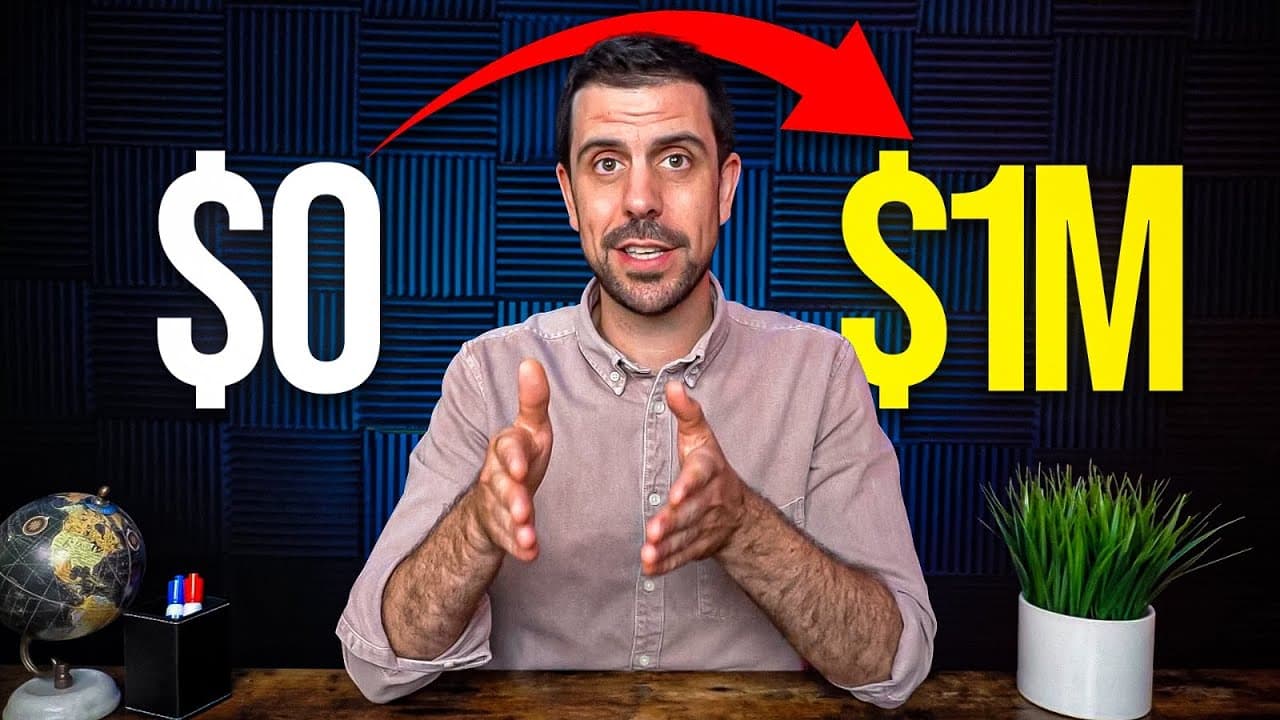
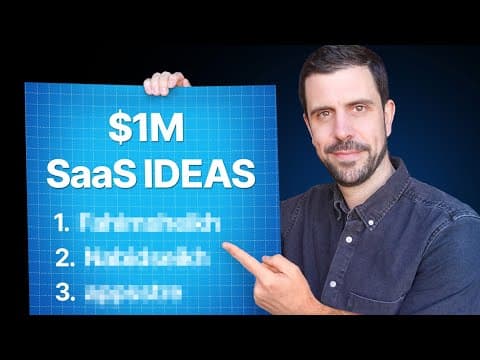
You can launch a $1M SaaS startup without coding by leveraging no-code tools and AI. Focus on discovering viable startup ideas, testing them cost-effectively, and applying effective marketing strategies. Adopting an entrepreneurial mindset is essential, as is engaging with potential customers early to validate your product concept and achieve a successful launch.
Transcript
over the past 15 years I've been focused on one thing building startups from scratch I also served as the Director of an accelerator program based in Los Angeles partnered with Google and today I've trained more than 600 Founders who have gone on to raise more than $56 million in funding I've also been invited as a guest lecturer to speak at presti... Read More
Key Insights
- 💡 Startups thrive on active idea generation techniques, emphasizing creativity over waiting for a "lightbulb moment."
- 🛟 The entrepreneurial mindset prioritizes action and adaptability, crucial for navigating the complexities of startup life.
- 🚀 Customer validation through interviews and testing is essential for ensuring product-market fit before a full launch.
- 😚 Effective communication in pitch decks is vital; investors quickly lose interest if they don't understand the business clearly.
- 🍂 Avoid common pitfalls like over-investing in development before validating concepts or falling into perfectionism which stifles progress.
- 👨💼 Leveraging no-code tools can significantly reduce barriers to entry, enabling rapid development and iteration of business ideas.
- 🏗️ Building relationships with co-founders can enhance business success, providing necessary support and diverse expertise.
Install to Summarize YouTube Videos and Get Transcripts
Explore YouTube Video Summarizer or Get YouTube Transcript Extractor
Questions & Answers
Q: What are some methods for generating startup ideas?
Three active strategies for generating startup ideas include documenting problems faced daily, analyzing trends to identify potential business needs, and finding complementary goods or services that can be developed alongside existing businesses. This approach prevents the common myths of waiting for a breakthrough idea and encourages a more proactive stance in idea generation.
Q: Why is it important to test startup ideas before launch?
Testing startup ideas helps identify if there is actual demand for the product or service before significant time and resources are invested. By engaging in customer discovery interviews and conducting smoke tests, entrepreneurs can validate assumptions about their target market and ensure they are meeting real customer needs, ultimately increasing the chances of success.
Q: How does the entrepreneurial mindset differ from being an employee?
An entrepreneurial mindset requires embracing uncertainty, learning various skills, and focusing on taking action rather than seeking perfection. Unlike employees with access to resources and clear roles, entrepreneurs often start with limited resources and must learn to wear multiple hats, which leads to a more dynamic and adaptable approach to problem-solving.
Q: What are the key components of a pitch deck for attracting investors?
A strong pitch deck should clearly define the problem, present the solution, outline the business model, demonstrate market potential, and include information about the team and financial projections. It is essential to communicate the message succinctly while avoiding jargon, as investors make quick decisions based on clarity and potential.
Q: What mistakes should entrepreneurs avoid when starting a business?
Entrepreneurs should avoid hiring costly developers before validating their ideas, procrastinating through perfectionism or analysis paralysis, rushing into fundraising without demonstrating revenue, and being overly concerned with competition. Instead, focus on developing a viable business model and quickly adapt as necessary based on customer feedback.
Q: How can no-code tools aid startups?
No-code tools empower entrepreneurs to create products and services without technical skills, facilitating the development of websites, applications, and automations. These tools save time and resources, allowing founders to rapidly iterate and test their concepts while retaining control over their projects.
Q: Why is it beneficial to find a co-founder?
Having a co-founder can provide accountability, diverse skillsets, and motivation throughout the tumultuous startup journey. A co-founder can complement strengths and weaknesses, sharing the burden of decision-making and contributing to the vision and growth of the business.
Summary & Key Takeaways
-
The speaker, with extensive experience, outlines how to create a startup from scratch, including idea generation, market testing, and growth strategies, all without needing technical skills.
-
Key topics include the importance of mindset shifts, effective idea testing methods, and the power of no-code tools for building MVPs and scaling businesses efficiently.
-
The content is aimed at aspiring entrepreneurs, providing practical advice on how to navigate startup challenges, attract investors, and ultimately sell a successful business.
Read in Other Languages (beta)
Share This Summary 📚
Summarize YouTube Videos and Get Video Transcripts with 1-Click
Try YouTube Summary with ChatGPT & Claude or YouTube Transcript Generator
Explore More Summaries from WeAreNoCode 📚
Summarize YouTube Videos and Get Video Transcripts with 1-Click
Try YouTube Summary with ChatGPT & Claude or YouTube Transcript Generator