How Is India Building a Domestic Solar Industry?
TL;DR
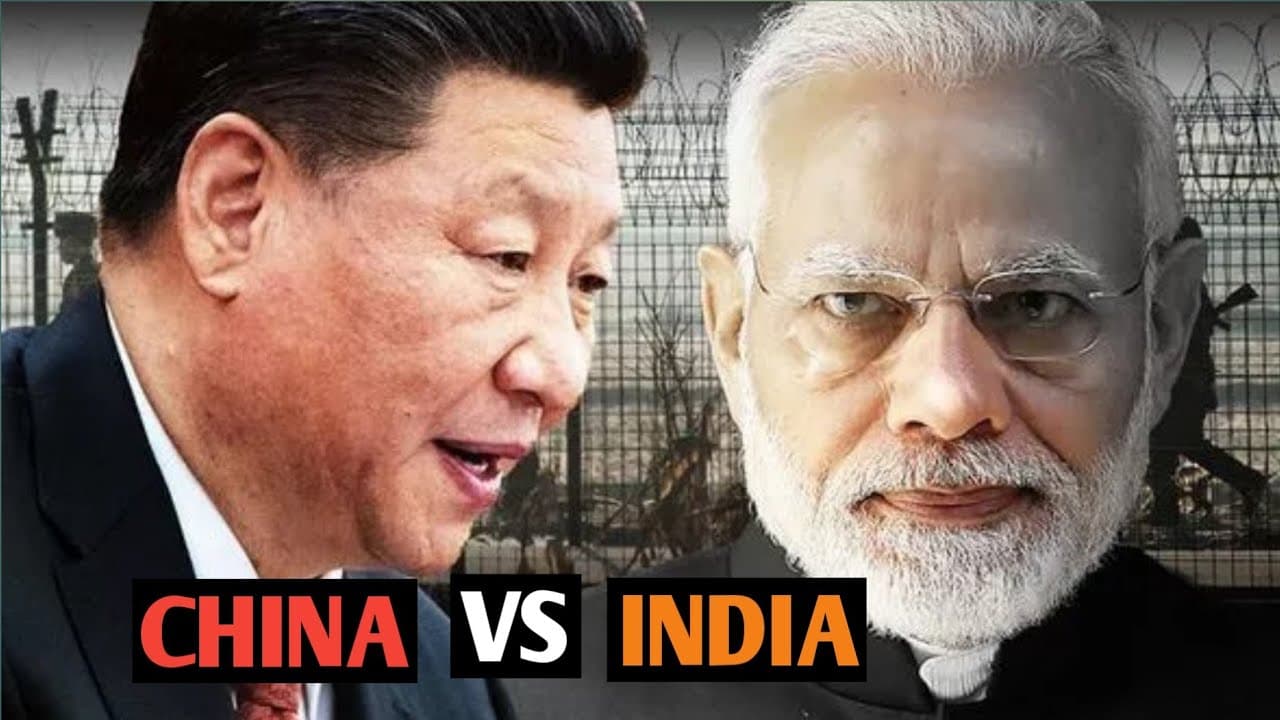
India is reducing dependence on Chinese solar equipment by raising import duties, requiring domestic components in government-backed projects, and subsidizing local manufacturing through production-linked incentives. The strategy responds to China’s control of 64% of global polysilicon and nearly 99% of ingot and wafer manufacturing, while supporting Indian companies that are expanding solar modules, projects, and glass capacity.
Transcript
Hi everybody, the global wars in the solar industry is heating up with each passing day. While on one side world leaders like President Biden and Modiji have been announcing ambitious targets to shift to renewable energy. On the other side, China is waging a price war on India with its exorbitant price hikes on the import of solar modules. This has... Read More
Key Insights
- Solar electricity became economically competitive because its cost fell by 89%, from $359 per megawatt-hour in 2009 to $40 in 2019. Coal declined only 3% to $109, while nuclear increased 26% to $155 and onshore wind dropped 70% to $41.
- India’s energy system remained heavily dependent on fossil fuels in 2019–20. Coal and crude petroleum accounted for 76.61% of national energy consumption, while electricity from hydro, nuclear, and other sources combined represented only 14.3%, illustrating the scale of the required transition.
- China controls critical stages of the solar supply chain. It accounts for 64% of global polysilicon and nearly 99% of solar ingot and wafer manufacturing, while close to 80% of the solar equipment used in India came from China as of March 2021.
- India is discouraging imported solar equipment through higher duties. A 15% duty was imposed on solar component imports in July 2020, while duties scheduled from April 2022 were 40% for solar modules and 25% for solar cells, with inverter duty rising from 5% to 20%.
- Government-backed solar projects are being used to create demand for Indian manufacturing. Projects under government-sponsored programs, including the new rooftop scheme, were required to use domestically manufactured solar modules and cells, giving local producers a protected source of orders.
- Production-linked incentives reduce the barriers to establishing large factories through measures such as machinery import relief, land-related tax rebates, or temporary operating tax relief. The intended long-term benefits include recurring tax revenue, white-collar and blue-collar employment, and reduced dependence on fossil fuels.
- India’s 2021–22 budget allocated approximately $620 million to promote domestic production of high-efficiency solar components. Nearly half went to the Solar Energy Corporation of India and the Indian Renewable Energy Development Agency, while the national module program targeted 30,000 direct and 1.2 lakh indirect jobs.
- Borosil Renewables occupies a distinct position as India’s first and only solar glass manufacturer according to the transcript. It announced a Rs 500 crore investment to double capacity to 900 tonnes per day, enough glass capacity to support 2.5 gigawatts of solar plants.
Install to Summarize YouTube Videos and Get Transcripts
Explore YouTube Video Summarizer or Get YouTube Transcript Extractor
Questions & Answers
Q: Why is solar power becoming economically important?
Solar power is becoming economically important because its generation cost declined from $359 per megawatt-hour in 2009 to $40 in 2019, an 89% reduction. Over the same period, coal decreased only 3% to $109, nuclear increased 26% to $155, and onshore wind fell 70% to $41. These figures place solar near the lowest end of electricity generation costs discussed in the transcript.
Q: Why is India dependent on China for solar equipment?
India depends on China because Chinese producers dominate crucial upstream materials and manufacturing stages. China controls 64% of global polysilicon, which is used to make solar ingots and wafers, and nearly 99% of ingot and wafer manufacturing. As of March 2021, close to 80% of all solar equipment used in India came from China, creating substantial supply-chain exposure.
Q: How is India discouraging imports of Chinese solar components?
India is using import duties to make foreign solar components less attractive relative to domestic products. It imposed a 15% duty on solar component imports in July 2020. From April 2022, the announced customs duties were 40% on solar modules and 25% on solar cells. The import duty on solar inverters also increased from 5% to 20%.
Q: How does India’s production-linked incentive strategy support solar manufacturing?
The production-linked incentive strategy lowers the financial barriers involved in establishing large factories. The transcript describes possible support such as removing import duties on machinery, providing a 30% land tax rebate in a special economic zone, or waiving taxes during the first operating year. These measures reduce initial costs and make domestic solar manufacturing more viable for participating companies.
Q: What economic benefits can domestic solar factories create for India?
Domestic solar factories can generate recurring tax revenue when companies begin selling panels, while their white-collar employees also contribute taxes. The factories can create thousands of blue-collar jobs and support skilled employment. The transcript also presents reduced dependence on fossil fuels as a central benefit, connecting industrial policy with India’s broader transition toward cleaner energy production.
Q: Which companies were involved in India’s solar manufacturing expansion?
Reliance Industries, Adani Group, Tata Power, First Solar, and 16 other firms bid to establish solar manufacturing units under the government’s production-linked incentive scheme. The transcript states that the associated total investment cost was about $3 billion. Borosil Renewables was also expanding solar glass capacity, while Adani Green secured a major project contract from a public-sector agency.
Q: What was significant about Adani Green’s solar contract?
Adani Green secured a contract from the Solar Energy Corporation of India in June 2020 to develop eight gigawatts of solar projects, with the transaction valued at $6 billion. According to the transcript, the contract brought the company greater attention, and its stock price rose from approximately Rs 400 in June 2020 to close to Rs 1,000 in June 2021.
Q: Did India reduce its solar component imports?
India’s total imports of solar components declined substantially across the period cited in the transcript. Their value fell from $3.42 billion in 2018 to $1.7 billion in 2019 and then to $1.2 billion in 2020. The transcript connects this decline with India’s measures to discourage imports and promote domestic production, although India still had significant Chinese supply-chain exposure.
Summary & Key Takeaways
-
Solar became strategically important after its electricity cost fell from $359 per megawatt-hour in 2009 to $40 in 2019, an 89% decline. During the same period, onshore wind fell to $41, coal remained at $109, and nuclear increased to $155, making renewable generation increasingly competitive with conventional sources.
-
India’s solar expansion remains exposed to China because China controls 64% of global polysilicon and nearly 99% of solar ingot and wafer manufacturing. As of March 2021, close to 80% of India’s solar equipment came from China, despite India pursuing a solar capacity target of 280 gigawatts by 2030.
-
India’s response combines import barriers, domestic procurement rules, and manufacturing incentives. Solar module customs duty was scheduled to reach 40% and cell duty 25% from April 2022, while production-linked incentives supported local factories. Reliance, Adani, Tata Power, First Solar, Borosil Renewables, and public agencies participated in the emerging ecosystem.
Read in Other Languages (beta)
Share This Summary 📚
Summarize YouTube Videos and Get Video Transcripts with 1-Click
Try YouTube Summary with ChatGPT & Claude or YouTube Transcript Generator
Explore More Summaries from Think School 📚





Summarize YouTube Videos and Get Video Transcripts with 1-Click
Try YouTube Summary with ChatGPT & Claude or YouTube Transcript Generator