How to Use Psychological Triggers in Meta Ads?
TL;DR
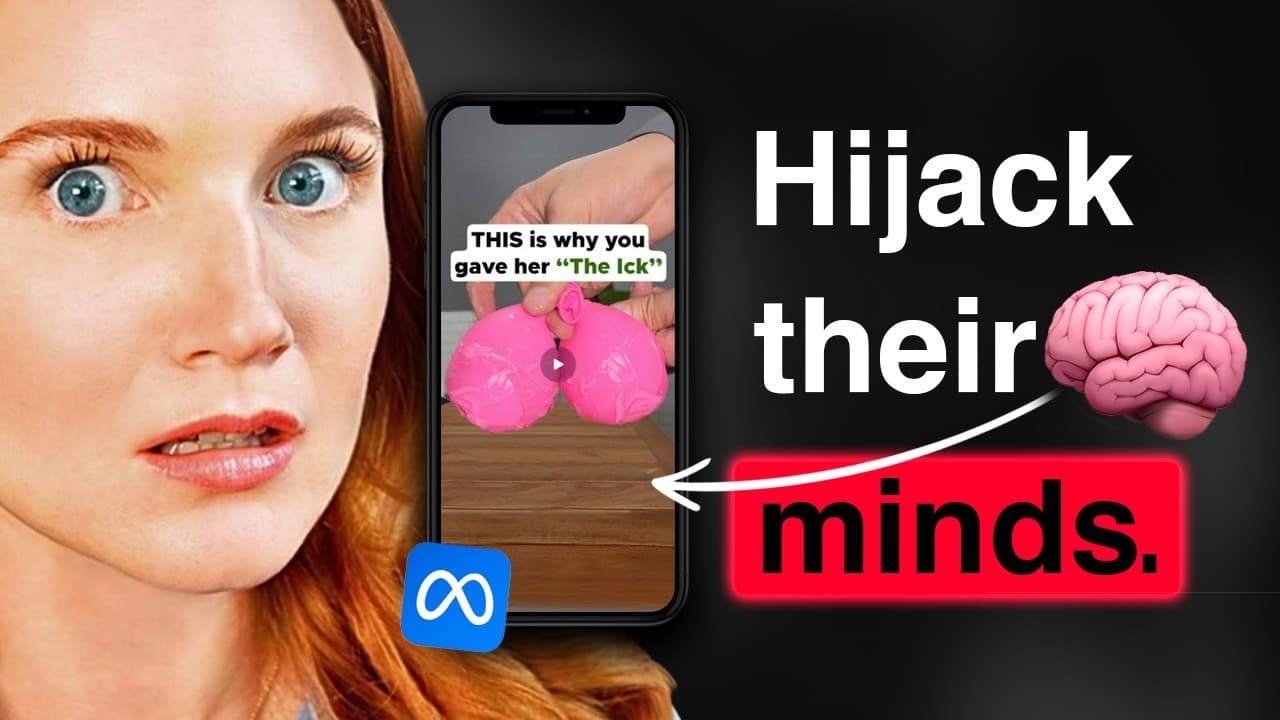
To drive Meta ads, use cognitive dissonance by challenging beliefs, pair loss framing with failed attempts, and leverage authority bias plus objections handling. Combine social proof with scarcity and tailor messages to audience trust. These tactics create open loops and drive conversions.
Transcript
Last week, I analyzed every single top performing creative for our clients over the last 3 months, and we had some incredible learnings about what's working today on meta ads. And they weren't working because they were UGC or founders ads or any other type of ad format. They worked because they were tapping into deep psychological triggers that cau... Read More
Key Insights
- The key to high performing Meta ads is tapping into cognitive dissonance by challenging a customer belief the audience holds about the product or themselves.
- Loss framing and contrast bias are powerful when you show failed attempts before presenting the solution, making the product seem more viable by comparison.
- Authority bias increases trust when the ad features a credible expert or trusted figure that aligns with the audience’s values and needs.
- Overcoming objections in ad content reduces cognitive load, builds empathy, and can reframe concerns as potential benefits, especially around price.
- Social proof and scarcity are effective together, but should be framed to fit the target demographic to maximize trust without overwhelming individuality.
- Open loops can be created by showcasing failed attempts and then resolving them, encouraging viewers to watch longer to see the solution.
- Using ChatGPT prompts to identify customer limiting beliefs helps tailor messaging to diverse groups like Millennials, Gen Z, and older women.
- Celebrity brand launches often use a calculated sellout strategy to trigger scarcity and drive demand while generating positive publicity and rapid conversion in initial launches.
- More videos from this channel:
- More from this channel: Dara Denney
Install to Summarize YouTube Videos and Get Transcripts
Explore YouTube Video Summarizer or Get YouTube Transcript Extractor
Questions & Answers
Q: How can challenging a belief boost ad engagement?
Challenging a belief creates cognitive dissonance, a tension the brain seeks to resolve. By presenting information that conflicts with a held belief, viewers pay more attention, stay longer, and are more motivated to seek a resolution. This approach can unlock new angles for messaging and improve ad performance.
Q: What role do failed attempts play in ads?
Showcasing failed attempts emphasizes what customers have tried and failed to achieve, triggering loss framing. It also creates a contrast with the solution, making the product look more effective by comparison. This strategy helps viewers see the value and potential payoff of choosing the advertised solution.
Q: How does authority bias influence ad trust?
Authority bias leverages perceived expertise to increase credibility. Using experts that the target audience respects, such as dermatologists for skincare or moms seeking validation, makes the ad more trustworthy. Aligning the authority with audience values strengthens persuasiveness.
Q: What is the benefit of addressing objections in ads?
Addressing objections directly reduces cognitive pressure and demonstrates empathy. It validates the viewer’s concerns and, importantly, reframes objections as benefits when possible, such as reframing price concerns as value or long-term savings, which can move viewers toward conversion.
Q: Why combine social proof with scarcity in ads?
Social proof signals that others like the product, boosting trust. Scarcity taps risk aversion by implying limited availability, encouraging faster decisions. When tailored to the right demographic, this combination can enhance credibility without undermining individuality.
Q: How can open loops improve ad effectiveness?
Open loops entice viewers to continue watching to see how a problem is resolved. By starting with questions or unresolved outcomes, ads keep attention focused on the eventual solution, increasing engagement and the likelihood of a conversion.
Q: How can prompts help uncover customer beliefs for ads?
Prompts, including those used with ChatGPT, help identify limiting beliefs across different groups such as millennials, Gen Z, and older women. This intelligence enables marketers to tailor messages, address specific objections, and craft angles that resonate with each segment.
Q: What is the implied strategy behind celebrity brand launches?
Celebrity launches often use a sellout expectation to drive urgency and perception of success. The strategy leverages hype and scarcity to generate rapid demand, and even if publicity includes negative elements, the narrative can shift toward strong launch outcomes and credibility.
Summary & Key Takeaways
-
This video explains that top Meta ads succeed not by format but by psychology, highlighting five triggers and how they influence viewer behavior. It covers challenging beliefs, loss framing, authority bias, overcoming objections, and mixing social proof with scarcity to boost conversions.
-
It also notes the value of showing failed attempts to create contrast and an open loop, and suggests using prompts to uncover customer limiting beliefs for better messaging.
-
A practical tip is to showcase credible expertise alongside customer-relevant objections, while aligning social proof with audience segments such as moms, Gen Z, or older demographics to improve trust and results.
Read in Other Languages (beta)
Share This Summary 📚
Summarize YouTube Videos and Get Video Transcripts with 1-Click
Try YouTube Summary with ChatGPT & Claude or YouTube Transcript Generator
Explore More Summaries from Dara Denney 📚
Summarize YouTube Videos and Get Video Transcripts with 1-Click
Try YouTube Summary with ChatGPT & Claude or YouTube Transcript Generator