How to Make Others Crave You, Not Just Approve
TL;DR
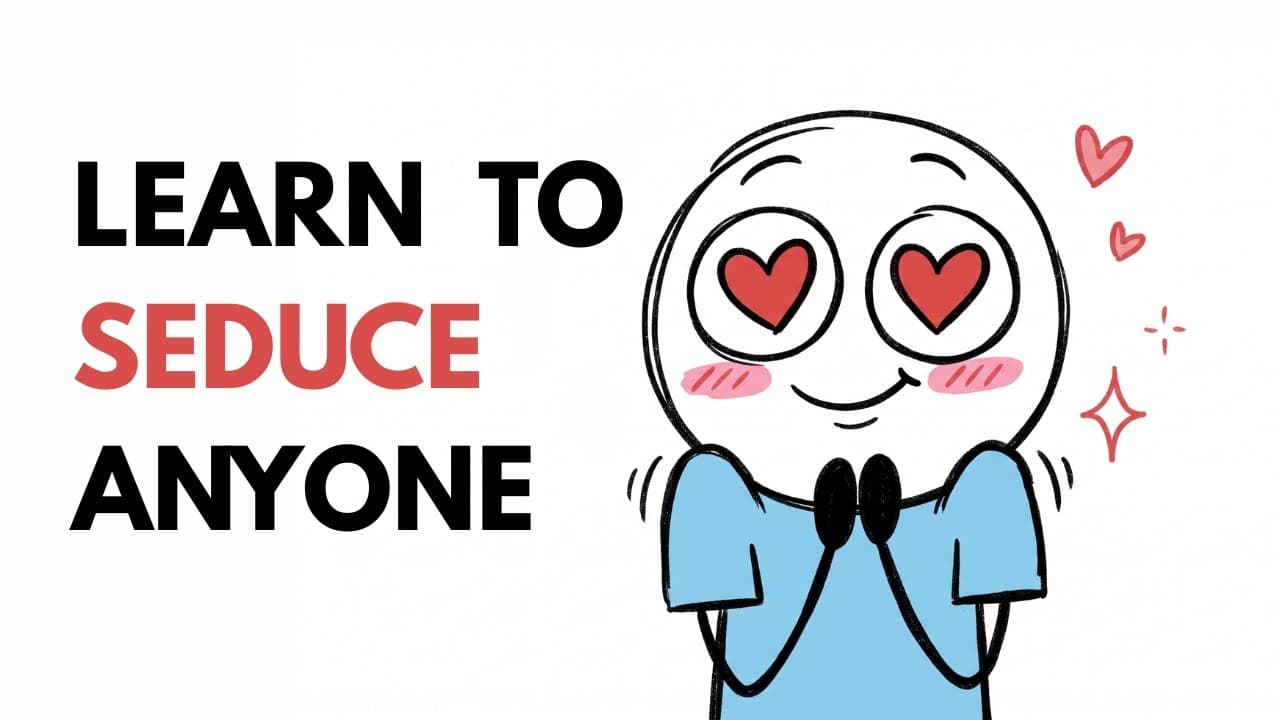
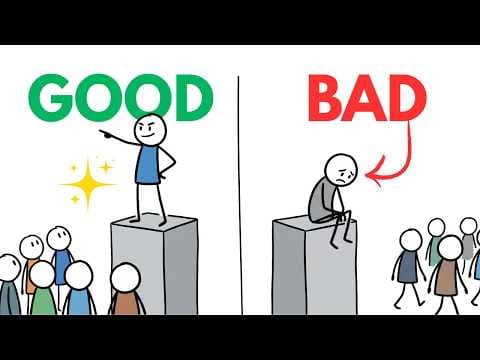
Liking and wanting are separate systems, and approval does not predict desire. Real attraction comes from expansion and unique, dyadic signals rather than a universal score. Focus on selective engagement and genuine attentiveness that shows value without auditioning, and you’ll increase how much you are craved rather than just approved.
Transcript
If you want to master the art of seduction, the advice you hear is always a version of the same instruction. Look better, earn more, dress sharper, build a life that photographs well, learn the right things to say, and the right moment to say them. So, you did some of it. Maybe you did a lot of it. And then you notice the strange thing that happens... Read More
Key Insights
- Liking and wanting are distinct mechanisms that can pull in opposite directions within the same person.
- There is no universal scale of desirability that lasts; attraction shifts as two people know each other over time.
- Selective, not scarce, signals work better because they indicate genuine standards rather than faked scarcity.
- Attention that lands while choosing, not auditioning, creates information about you rather than mere effort.
- Desire is a forecast of personal expansion, not merely how impressive you are.
- Expansion, not approval, drives the pull of attraction by enlarging the self through the other.
- Public consensus on desirability weakens as familiarity grows, making personal dyadic fit more important.
- Manipulative or clingy behavior undermines attraction and marks anti-seduction behavior that should be avoided.
Install to Summarize YouTube Videos and Get Transcripts
Explore YouTube Video Summarizer or Get YouTube Transcript Extractor
Questions & Answers
Q: What is the basic difference between liking and wanting in attraction?
Liking is an evaluation of someone, a verdict about them, while wanting is a motivation, the pull toward them. The video explains that these two can move in opposite directions inside the same person on the same night, so being well liked does not guarantee that you are the person someone wants or craves.
Q: Why is there no universal scale for desirability in romantic attraction?
Research cited shows that romantic evaluations have a strong dyadic component and vary by who is rating. The longer two people know each other, the less they agree on who is desirable. This means universal rankings are short lived and attraction depends on the specific relationship between two people.
Q: What does the self expansion model imply about desire?
The self expansion model suggests people are driven to expand their own selves, and relationships are a powerful route to do that. Desirability then becomes a forecast of how much larger a person would make you, not merely how impressive they are. This reframes attraction as growth through partnership.
Q: How does selective hard to get influence attraction, according to the research?
The research shows that being selectively hard to get works when it signals genuine standards and interest in a specific person. Being uniformly hard to get does not increase desirability. Selectivity provides information about standards and who you truly want, which sustains attraction over time.
Q: What is the fourth law about attention and how it affects desire?
The law states that attention lands when you are choosing, not auditioning. Responsiveness raises desire, but only if the attention is purposeful and not merely eager. Attention without clear intent can reduce desire, whereas staying with someone when you have somewhere to be signals value.
Q: What happens when someone is perceived as an anti-seducer, and why should you avoid this behavior?
An anti-seducer talks too much, clings, moralizes, and cannot handle humor about themselves. This behavior undermines attraction because it signals neediness and lack of self-regulation. Avoiding these patterns helps maintain a desirable balance of engagement and independence in early interactions.
Q: How does the concept of expansion relate to everyday dating interactions?
Expansion involves offering someone a version of themselves taller or broader than they were before, through shared experiences and new perspectives. It explains why conversations that enhance the other person can be more compelling than simply trying to earn approval, as people crave growth opportunities in a relationship.
Q: Why does earned attention matter more than general attention in dating?
Earned attention signals that you have real value and standards that others must meet, rather than unearned effort that anyone could give. The video emphasizes that attention from someone who has a defined place and stays shows information about you and is more meaningful than generic attention from someone auditioning.
Q: What practical steps can someone take to be more desirable according to the four laws?
Focus on expanding your potential with your partner by sharing new perspectives, avoid chasing universal approval, demonstrate selective interest in the right person, and offer authentic attention that is purposeful rather than performative. These steps align with the laws and help you become more craved rather than merely approved.
Summary & Key Takeaways
-
The video explains that liking is an evaluation while wanting is a motivation, and they can diverge in the same person, explaining why someone who is highly rated may not be the one craving them. It contrasts approval with expansion as the real driver of desire and introduces four practical laws.
-
It presents research showing there is no universal desirability scale, as consensus drops with familiarity and time. At the same time, evaluations become more dyadic and personalized, meaning attraction depends on the specific two people rather than broad judgments.
-
It offers four laws and practical guidance: expansion over approval, non universal scales, selective engagement, and purposeful attention. It also warns against anti-seduction behaviors that can undermine desire and urges listeners to present a self that grows with the other person.
Read in Other Languages (beta)
Share This Summary 📚
Summarize YouTube Videos and Get Video Transcripts with 1-Click
Try YouTube Summary with ChatGPT & Claude or YouTube Transcript Generator
Explore More Summaries from PsychToons 📚


Summarize YouTube Videos and Get Video Transcripts with 1-Click
Try YouTube Summary with ChatGPT & Claude or YouTube Transcript Generator