How to Answer Job Interview Questions Honestly
TL;DR
Strong interview answers present relevant truths strategically: emphasize the value you can contribute, connect your goals to the role, describe past employers professionally, and claim responsibilities you actually performed. Maintain confident energy, explain résumé gaps without apology, share memorable genuine hobbies, and arrive with at least two thoughtful questions that demonstrate interest and forward thinking.
Transcript
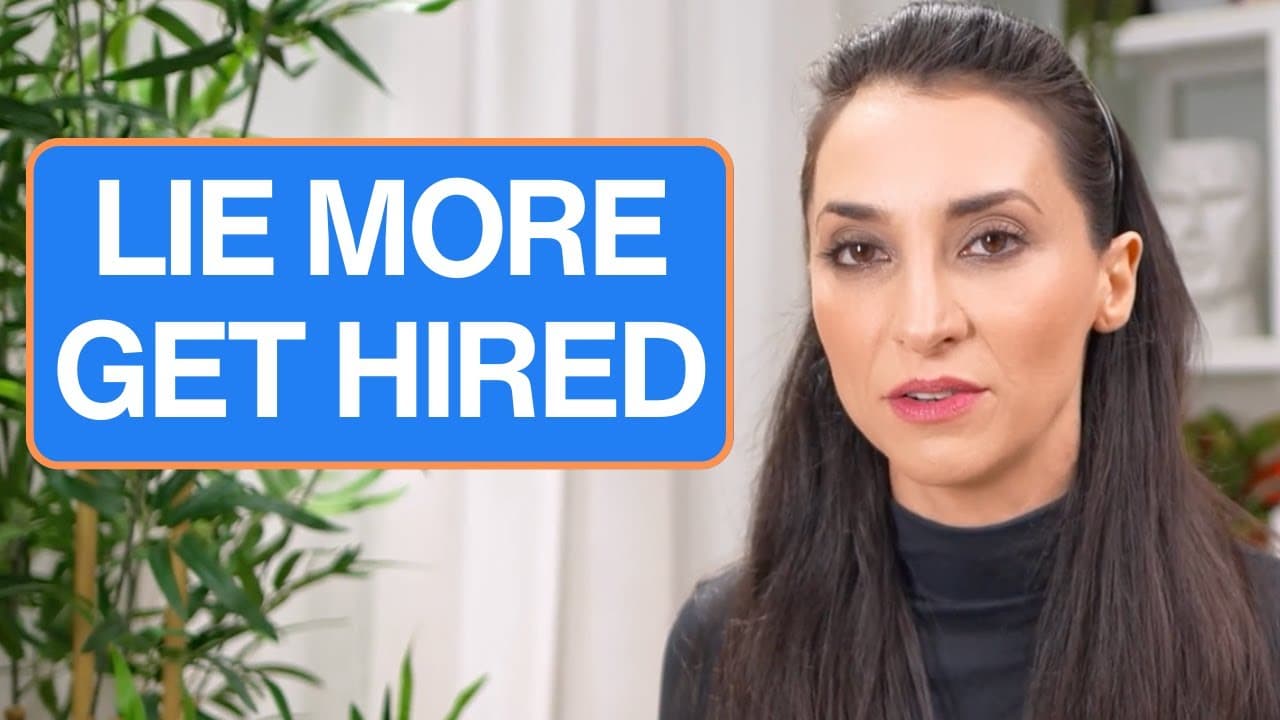
These are lies you can say in a job interview. At least that's what it feels like when you're the one saying them. Because what I'm going to share are the moments where your honest answer could hurt you, even though it shouldn't. And the version you give instead, it's not fake. It's what everyone in hiring expects you to say. But if no one's ever t... Read More
Key Insights
- The interview begins with the initial greeting, not the first formal question. A brief, positive response such as saying you are great demonstrates that you can regulate your energy and present yourself professionally even when circumstances outside the interview are difficult.
- A strong answer about wanting the job focuses on contribution rather than generic admiration. Candidates should identify a challenge the team faces, connect it to their experience, and approach the conversation as a meeting between two parties that can each offer something valuable.
- The five-year question tests whether a candidate is likely to stay and whether the role fits their goals. An effective response describes becoming knowledgeable in the relevant area, contributing to the team, and pursuing development that is specifically connected to the position.
- Professional explanations for leaving a job avoid complaints about toxic conditions, low pay, micromanagement, or feeling undervalued. Saying that the current role provided valuable learning and that a new challenge is appropriate communicates growth without creating concern about future negativity.
- Comments about a current manager can reveal compatibility with the prospective manager. Candidates should avoid negative labels and instead describe what they learned from the manager's approach, how they became more proactive, and what constructive behavior they would bring to a new team.
- Memorable hobbies reveal qualities that may matter at work even when the activity is unrelated to the position. A genuine example such as restoring a motorcycle or mastering sourdough can signal curiosity, patience, process awareness, troubleshooting ability, and an engaged life outside work.
- Actual responsibilities matter more than the official job title when describing experience. Candidates who led projects should say so, clarify the title when useful, and support the claim with concrete duties and results rather than waiting for a promotion to validate work already performed.
- Résumé gaps are easier to address when the candidate is calm, concise, and matter-of-fact. The gap was already visible before the interview, so the response should briefly explain the period, mention relevant skill maintenance when true, and confirm readiness to return to work.
Install to Summarize YouTube Videos and Get Transcripts
Explore YouTube Video Summarizer or Get YouTube Transcript Extractor
Questions & Answers
Q: How should you answer "How are you?" in a job interview?
Answer briefly and positively, such as, "I'm great, thank you. How are you?" The greeting is part of the interview because the interviewer is already observing how you present yourself. Leading with illness, a rough week, or difficult traffic can weaken the opening. A composed response shows that you can regulate your energy when the interaction matters.
Q: How should you answer why you want to work for a company?
Explain what you can contribute instead of relying on broad statements about the company's mission or values. You can say that you have outgrown your current role, want a new challenge, and see a specific team problem that your experience can help solve. This frames the interview as a conversation between parties that both have something valuable to offer.
Q: What should you say when asked where you see yourself in five years?
Connect your future to the role by describing how you expect to become an expert in the relevant area and a valuable member of the team. Explain specifically why the position supports your direction. The interviewer is trying to assess whether you will stay, remain engaged, and pursue goals that align with the work, rather than demanding a precise five-year plan.
Q: How should you explain why you are looking for a new job?
Keep the explanation positive and concise. A suitable response is that you have learned a great deal in your current role and are ready for a new challenge. Avoid criticizing your employer, discussing a toxic environment, or complaining about pay and management. Negative comments can make the interviewer worry that you may later speak similarly about their organization.
Q: How should you discuss a difficult manager during an interview?
Do not label the manager negatively, even if the criticism feels justified. Describe the constructive aspects of the manager's approach, what you learned, and how you developed. For example, you might say the manager provided structure, taught you about process, and helped you become proactive about anticipating next steps. This avoids accidentally criticizing the prospective manager's own working style.
Q: What hobbies should you mention in a job interview?
Choose a genuine hobby that creates a memorable picture of your interests and qualities. Activities such as baking, restoring something, reading, hiking, learning a language, mentoring, building projects, or playing in a sports league can demonstrate curiosity and engagement. Add a specific detail and explain what the activity has taught you, such as patience, process, or troubleshooting.
Q: Can you describe responsibilities beyond your official job title?
Yes, if you actually performed those responsibilities. State the official title for clarity, then explain the higher-level work you completed. A marketing coordinator who led a campaign can accurately describe setting strategy, coordinating design and copy, analyzing test results, and presenting outcomes. The key is to represent real contributions precisely and support them with concrete duties and results.
Q: How should you explain a résumé gap in an interview?
Address the gap calmly and without apology. If it involved education, certification, volunteering, freelance work, or skill development, explain what you learned and how it applies to the job. If you were laid off, say there were layoffs. For a personal matter, you can state that you took time away for personal reasons and are now ready to return.
Q: What questions should you ask at the end of an interview?
Prepare at least two thoughtful questions rather than saying everything has already been covered. Asking why the position is open can reveal whether the previous employee was promoted, quit, or was fired. Asking what success looks like during the first 90 days shows that you are already considering how to perform well and contribute after joining the team.
Summary & Key Takeaways
-
Interviews begin with the opening greeting, so candidates should regulate their energy and respond positively rather than leading with personal difficulties. When asked why they want the job, they should move beyond generic praise of the company and explain how their experience can help the team solve a specific problem.
-
Questions about long-term plans and job changes are primarily tests of alignment, commitment, and professional judgment. Candidates should connect their development goals to the available role, avoid criticizing employers or managers, and describe career moves as opportunities for growth, contribution, and an appropriate new challenge.
-
Candidates should accurately claim leadership and higher-level responsibilities even when their official titles were junior. Résumé gaps should be addressed calmly and briefly, with relevant learning mentioned when applicable. Genuine, distinctive hobbies can make someone memorable, while thoughtful closing questions show interest and reveal useful information about the position.
Read in Other Languages (beta)
Share This Summary 📚
Summarize YouTube Videos and Get Video Transcripts with 1-Click
Try YouTube Summary with ChatGPT & Claude or YouTube Transcript Generator
Explore More Summaries from Farah Sharghi 📚


Summarize YouTube Videos and Get Video Transcripts with 1-Click
Try YouTube Summary with ChatGPT & Claude or YouTube Transcript Generator