How to Activate Parasympathetic Response for Calm
TL;DR
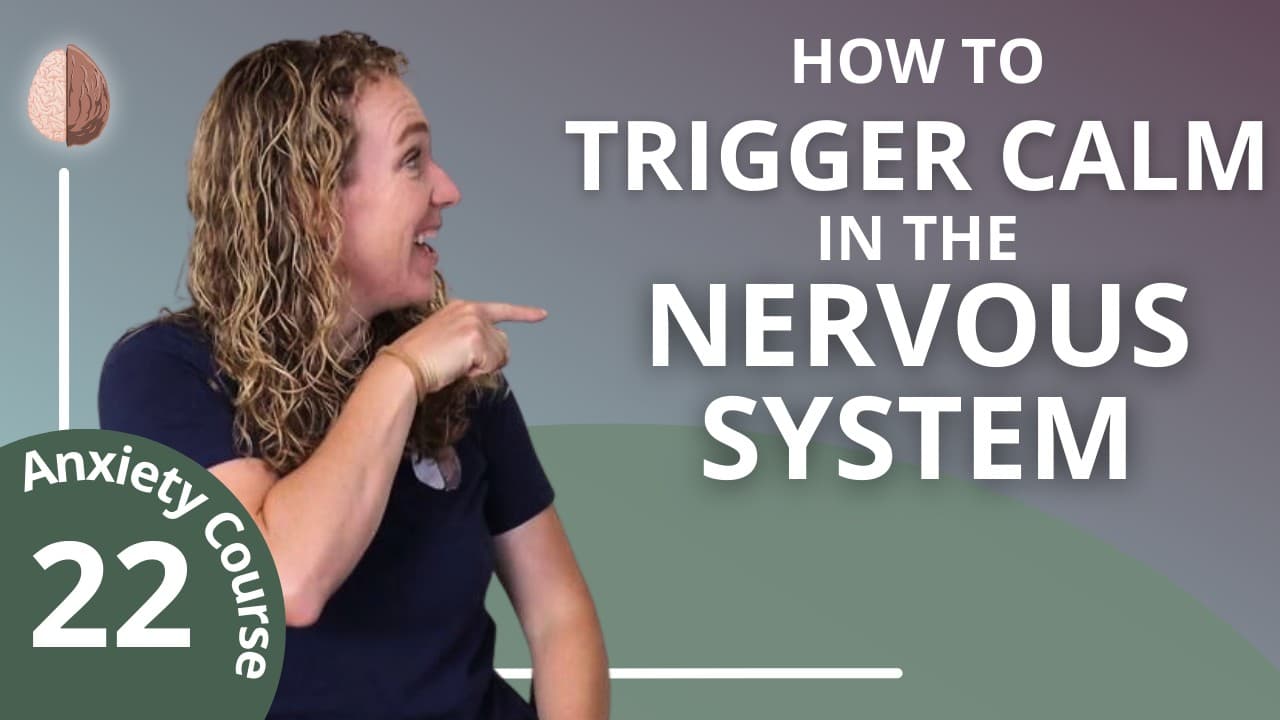
Activating the parasympathetic response can help calm anxiety and stress. Techniques include deep breathing, laughter, and engaging with nature. Strengthening vagal tone through these practices enhances the body's ability to regulate stress and maintain a sense of calm.
Transcript
If you've been anxious or stressed for a long time, you've probably got an imbalance in your nervous system. Your autonomic nervous system has a couple of skills: getting activated and relaxing. But just like this guy who's been working out his right arm more than his left, when we constantly get anxious or stressed, we are stronger at activati... Read More
Key Insights
- The parasympathetic response is crucial for calming the body and mind, promoting relaxation and recovery.
- Vagal tone, similar to muscle tone, indicates the activity level of the vagus nerve, with higher tone linked to better health.
- Heart Rate Variability (HRV) is a measure of vagal tone and reflects the body's ability to respond to stress.
- Deep breathing, laughter, and physical exercises are effective methods to activate the parasympathetic response.
- Facing and resolving stressors, rather than avoiding them, strengthens the parasympathetic response.
- Laughter acts as a tension breaker, reducing stress and enhancing connections with others.
- Breathing exercises, such as paced and deep breathing, are simple yet effective ways to activate the parasympathetic response.
- Engaging in activities like singing, humming, and chewing gum can stimulate the vagus nerve and promote relaxation.
Install to Summarize YouTube Videos and Get Transcripts
Explore YouTube Video Summarizer or Get YouTube Transcript Extractor
Questions & Answers
Q: How can I activate my parasympathetic response to reduce anxiety?
Activating the parasympathetic response involves techniques such as deep breathing, laughter, and engaging in physical activities. These practices help calm the nervous system and promote relaxation. Additionally, facing stressors and resolving them, rather than avoiding, strengthens the parasympathetic response and enhances stress regulation.
Q: What is vagal tone, and why is it important for stress management?
Vagal tone refers to the activity level of the vagus nerve, which plays a crucial role in regulating the body's stress response. Higher vagal tone is associated with better health, including improved mood, lower stress, and a more efficient heart. Strengthening vagal tone through specific techniques enhances the body's ability to manage stress effectively.
Q: How does Heart Rate Variability (HRV) relate to stress and relaxation?
Heart Rate Variability (HRV) measures the variations in time between successive heartbeats. A higher HRV indicates a more flexible and adaptable nervous system, which is better at responding to and recovering from stress. HRV is a useful indicator of overall health and resilience, with higher values linked to a stronger parasympathetic response.
Q: Why is facing stressors important for activating the parasympathetic response?
Facing and resolving stressors, rather than avoiding them, is crucial for activating the parasympathetic response. This process helps to naturally transition the body from a state of stress to relaxation, promoting recovery and strengthening the body's ability to manage future stressors effectively.
Q: What role does laughter play in stress reduction and relaxation?
Laughter acts as a tension breaker, reducing stress and enhancing connections with others. It helps to activate the parasympathetic response by releasing built-up tension and promoting a sense of safety and relaxation. Incorporating laughter into daily life can be a powerful tool for managing anxiety and improving overall well-being.
Q: How can breathing exercises help in activating the parasympathetic response?
Breathing exercises, such as paced and deep breathing, are effective methods for activating the parasympathetic response. These exercises promote relaxation by encouraging the body to enter a state of calm. Practicing these techniques regularly can enhance vagal tone and improve the body's ability to manage stress.
Q: What are some activities that stimulate the vagus nerve for relaxation?
Activities such as singing, humming, and chewing gum can stimulate the vagus nerve, promoting relaxation. These actions involve the vocal cords and muscles around the throat, which help activate the parasympathetic response. Incorporating these activities into daily routines can aid in stress reduction and enhance overall well-being.
Q: How does engaging with nature contribute to stress relief and relaxation?
Engaging with nature, such as walking in the woods or practicing earthing, helps activate the parasympathetic response by providing a sense of safety and calm. Nature exposure reduces stress, enhances mood, and promotes a state of relaxation. Incorporating nature into daily life can significantly improve stress management and overall health.
Summary & Key Takeaways
-
Activating the parasympathetic response is essential for calming anxiety and stress. Techniques like deep breathing, laughter, and engaging with nature can strengthen the vagal tone, enhancing the body's ability to regulate stress effectively.
-
Vagal tone and Heart Rate Variability (HRV) are indicators of how well the body responds to and recovers from stress. Higher vagal tone is associated with better health outcomes, including improved mood and lower stress levels.
-
Facing stressors head-on, rather than avoiding them, is crucial for activating the parasympathetic response. Techniques such as laughter, breathing exercises, and physical movement can help transition the body from stress to relaxation.
Read in Other Languages (beta)
Share This Summary 📚
Summarize YouTube Videos and Get Video Transcripts with 1-Click
Try YouTube Summary with ChatGPT & Claude or YouTube Transcript Generator
Explore More Summaries from Therapy in a Nutshell 📚
Summarize YouTube Videos and Get Video Transcripts with 1-Click
Try YouTube Summary with ChatGPT & Claude or YouTube Transcript Generator