How Does Smell Shape Memory and Brand Loyalty?
TL;DR
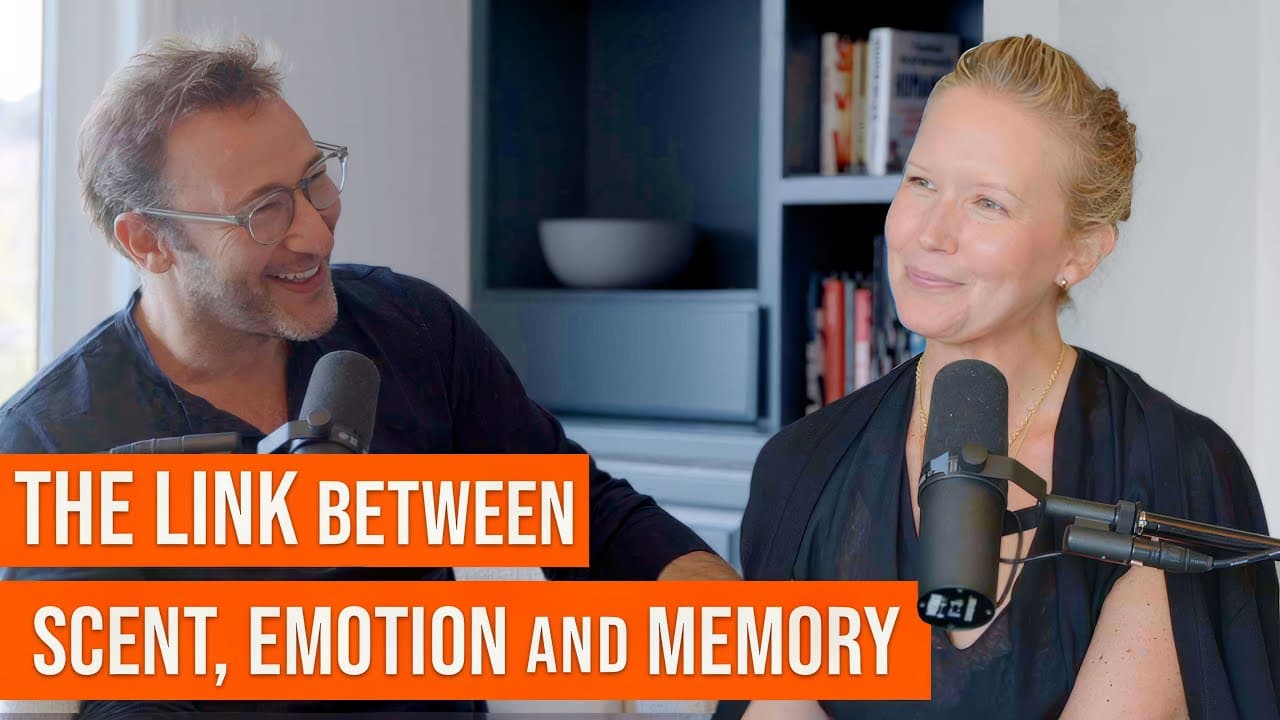
Smell can trigger emotion and memory almost instantly because odor molecules travel directly to the limbic system, where those experiences are processed. Scent preferences are conditioned by culture, generation, and environment, so brands can build loyalty by creating fragrances that recall positive experiences, but the same aroma may produce very different reactions across audiences.
Transcript
the sense most closely connected to memory is smell it's conditioned right so depending on your culture your generation and you're living environment you smell different ingredients different fragrances and they're linked to different emotional experiences you're having so like the smell of cow for instance if someone lives in a real environment th... Read More
Key Insights
- Smell is closely connected to memory because odor molecules travel from the nose directly toward the limbic system, which is associated with emotion and memory. This short pathway helps a familiar scent revive an earlier experience and its emotional quality with striking immediacy.
- Scent preferences are conditioned by culture, generation, and living environment. A smell associated with comfort in one community may be neutral or unpleasant in another because people encounter different products, ingredients, places, and emotional situations during their formative experiences.
- Early scent experiences become linked with simultaneous feelings. From birth, and even slightly before birth according to Goldworm, novel smells and novel emotions become paired, creating lasting olfactory memories that can return when the same or a similar smell is encountered later.
- Vanilla is broadly liked because vanillin occurs in breast milk, according to Goldworm. She connects its appeal with early experiences of being held, loved, cuddled, and protected, making vanilla reminiscent of infancy, safety, maternal care, and comfort.
- Lavender is not a universal relaxation cue because its calming meaning depends on cultural exposure. Goldworm says it works in places where lavender appears in baby products, while other regions may use ingredients such as orange blossom to build comparable associations with rest and safety.
- Beach-related scents vary by region because sunscreen formulas and fragrance conventions differ. Coconut, pineapple, or Hawaiian Tropic may recall freedom and childhood fun for some Americans, while Europeans may associate the beach with another floral ingredient, such as neroli.
- Brand scent can strengthen loyalty by linking a fragrance with a positive customer experience. When the scent later appears in a purchased product or another setting, it can recall the original store, restore the associated feeling, and encourage thoughts of returning.
- Generational scent memories change when materials and products change. Wood can evoke childhood for people who grew up with wooden toys, while the rise of plastic toys introduced later generations to different odors, including smells produced by manufactured materials, adhesives, and their breakdown.
Install to Summarize YouTube Videos and Get Transcripts
Explore YouTube Video Summarizer or Get YouTube Transcript Extractor
Questions & Answers
Q: How does smell trigger memories and emotions?
Smell triggers memories and emotions through a particularly direct route. Goldworm says odor molecules move around and into the nose, then reach the limbic system without the many neural pathways required to interpret sight, touch, taste, or hearing. Because emotion and memory are also processed there, a familiar scent can immediately restore an earlier moment and, more importantly, the feeling attached to it.
Q: Why do scent preferences differ between cultures?
Scent preferences differ because people encounter fragrances within distinct cultural environments. Ingredients used in baby products, sunscreens, homes, foods, and public spaces become connected with the emotions present during those experiences. Lavender may suggest safety or sleep in some regions, while orange blossom may carry a comparable association elsewhere. The fragrance itself is therefore interpreted through learned personal and cultural memories.
Q: Why is vanilla widely associated with comfort?
Goldworm says vanilla is connected with comfort because vanillin, described as vanilla's chemical sister, occurs in breast milk. During early moments of being held and fed, a baby may experience safety, affection, cuddling, and maternal care alongside that smell. The association can remain in olfactory memory, helping vanilla evoke infancy and reassurance across a broad range of people.
Q: How can scent create customer loyalty for a brand?
A brand can create loyalty by pairing a distinctive scent with a positive customer experience. When visitors smell the fragrance in a store, it becomes linked with what they feel there. If a purchased product carries the same scent, encountering it at home can recall the store and its emotional atmosphere. That memory can strengthen attachment and prompt thoughts about returning or buying again.
Q: Is lavender universally effective for relaxation?
Lavender is not universally effective as a relaxation cue. Goldworm explains that its meaning depends on whether people encountered lavender in baby products or other comforting settings within their culture. She identifies parts of Europe, the United States, and South America as places with that association, while noting that other regions use different scents, including orange blossom in southern France.
Q: How do childhood products shape scent memories?
Childhood products shape scent memories by pairing their ingredients with early emotional experiences. Sunscreen can become linked with freedom and fun at the beach, while baby products can become linked with safety and sleep. Because product formulas vary by place and change over time, the resulting associations differ across cultures and generations, even when people are remembering similar activities or stages of life.
Q: How have plastic products changed generational smell associations?
Plastic products changed the smells associated with childhood as toys shifted away from wood. Goldworm explains that people raised with wooden toys may connect the smell of wood with their early years, while later generations may not share that response. Manufactured goods also introduce odors from materials, rubber, adhesives, and their breakdown, creating a different sensory environment for newer generations.
Q: How did Dawn Goldworm move from perfumery into scent branding?
Goldworm began with art history and art business studies, then entered perfumery after an Avon contact sent her to perfumery school and testing revealed her ability. While training and working at Coty, she studied scent psychology, sociology, behavior, consumer identity, and related research at NYU. She developed a business case for helping brands create emotional bonds through fragrance beyond traditional perfume for skin.
Summary & Key Takeaways
-
Dawn Goldworm trained in perfumery and created fragrances for prominent names before investigating the psychology, sociology, and behavioral dimensions of scent. She turned that research into a business proposition: brands could use signature fragrances to form emotional bonds similar to those people develop with personal perfumes, homes, family members, and familiar products.
-
Smell has an unusually immediate relationship with emotion and memory because odor molecules travel to the limbic system without the many processing pathways associated with sight, touch, taste, or hearing. Early smells become linked with feelings, allowing a familiar odor encountered later to revive a specific place, person, experience, and emotional response almost instantly.
-
Scent associations vary across cultures, generations, and living environments. Lavender may suggest relaxation where it appears in baby products, while orange blossom may serve a similar role elsewhere. Materials also shape generational memory: wood may evoke childhood for people raised with wooden toys, whereas later generations encountered more plastic products and manufactured smells.
Read in Other Languages (beta)
Share This Summary 📚
Summarize YouTube Videos and Get Video Transcripts with 1-Click
Try YouTube Summary with ChatGPT & Claude or YouTube Transcript Generator
Explore More Summaries from Simon Sinek 📚




Summarize YouTube Videos and Get Video Transcripts with 1-Click
Try YouTube Summary with ChatGPT & Claude or YouTube Transcript Generator