How Should Leaders Build Purposeful Companies?
TL;DR
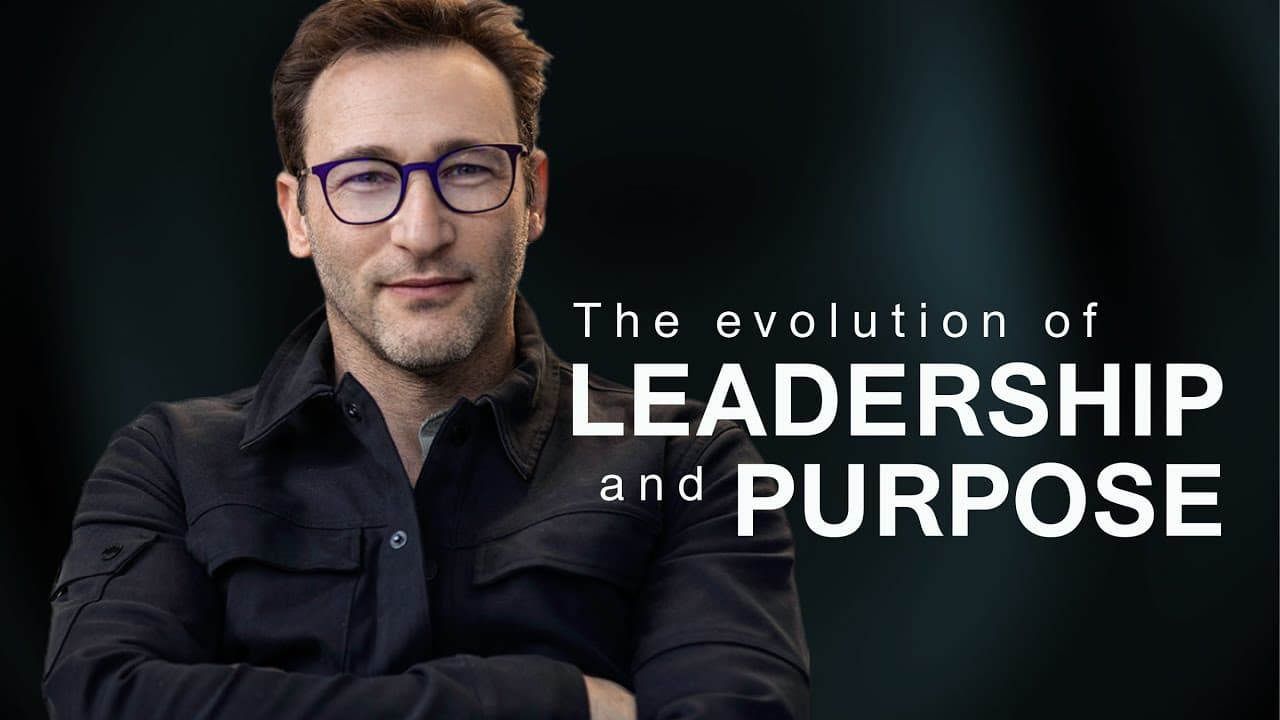
Effective leadership begins with caring for people, maintaining patience during personal struggles, and focusing on continuous self-improvement instead of defeating competitors. Companies can build for the long term by treating strong organizations as worthy rivals whose strengths expose weaknesses, preserving the humanity demonstrated during the pandemic, and organizing decisions around purpose, culture, learning, and survival beyond the current year.
Transcript
so welcome to day two of ilc although it feels like we're already halfway through the day so uh really really excited about this day yesterday we had a sneak peek into the exciting future of the company uh thank you so much for all of your engagement uh the excitement was really palpable throughout the day today we're going to be talking about how ... Read More
Key Insights
- The pandemic revealed that humane leadership includes asking whether employees and their families are safe, showing patience when people struggle, and allowing time for personal difficulties. These behaviors emerged naturally during the crisis, but they represent good leadership in any operating environment.
- Four Seasons supported employees, guests, and communities during an exceptionally difficult period while also making strategic changes. Its leaders viewed that response as evidence that a strong culture can sustain elevated support and prepare an organization for future opportunities.
- Business has no definitive finish line because organizations selling similar products at similar prices and quality levels can succeed simultaneously. Declaring victory through annual profits, revenue, market share, property counts, or employee counts does not end the continuing game.
- A competitor is framed as someone to defeat, which encourages leaders to watch another organization and compare selected metrics. Because companies choose the measurements themselves, winning an annual comparison can create pride without demonstrating lasting organizational strength or progress.
- A worthy rival is another organization that performs one or more activities better than your organization. Its strengths expose your weaknesses, giving leaders an opportunity to study effective practices, appreciate what the rival reveals, and improve their own performance.
- The only true competitor in business is the organization itself. Leaders should concentrate on improving their own practices and learning from others that perform similar work instead of devoting excessive attention to defeating companies around them.
- Long-term leadership asks how an organization can survive for 50, 100, or 150 years. This perspective differs from maximizing one year’s results and distributing the resulting wealth, because it keeps attention on durability in both favorable and difficult markets.
- Purpose changes organizational attention from defeating rivals to serving people. At the Microsoft education summit described, executives largely discussed beating Apple, while the Apple education summit focused entirely on helping teachers teach and students learn, illustrating sharply different priorities.
Install to Summarize YouTube Videos and Get Transcripts
Explore YouTube Video Summarizer or Get YouTube Transcript Extractor
Questions & Answers
Q: How should leaders support employees during a crisis?
Leaders should begin by asking whether employees and their families are safe, then respond patiently when personal difficulties affect work. During the pandemic, it became normal to check on people directly and allow time for sick relatives, struggling children, and other challenges. Simon Sinek characterizes these actions as good leadership, not merely temporary crisis practices, and hopes they continue after the emergency ends.
Q: What leadership lessons should continue after the pandemic?
The most important practices to preserve are care, patience, personal check-ins, and flexibility when employees or their families are struggling. The pandemic prompted many leaders, including previously effective and ineffective ones, to rely on their humanity. These behaviors helped people feel supported during disruption and demonstrated that leadership should account for employees as human beings rather than focusing only on immediate business demands.
Q: What is a worthy rival in business?
A worthy rival is another participant in the broader game that does one or more things better than your organization. It does not have to operate in the same industry. Its value comes from revealing your weaknesses through its strengths. Leaders can study those strengths, appreciate the lesson, and use what they observe to improve their own organization instead of trying simply to defeat the rival.
Q: Why is business described as an infinite game?
Business is described as an infinite game because there is no final moment when one company permanently wins. Two organizations offering broadly similar products at similar prices and quality can both remain highly successful. Annual victories in profit, revenue, market share, property count, or employee count are temporary comparisons because the game continues after those measurements are reported and celebrated.
Q: Why can focusing on competitors weaken leadership?
Focusing on competitors can cause leaders to spend excessive time watching what other companies do and comparing selectively chosen measurements. Those measurements may include revenue, profit, market share, employees, or properties, but organizations decide which figures to emphasize. Winning such a comparison can feel satisfying without improving long-term resilience, purpose, service, culture, or the organization’s ability to keep operating.
Q: How can leaders focus on self-improvement instead of competition?
Leaders can identify organizations that perform particular activities better, study what those strengths reveal, and apply the lessons to their own weaknesses. They should treat their organization as its primary competitor and ask how its current practices can improve. This approach keeps attention on learning and progress while avoiding the assumption that success requires another company to lose or be defeated.
Q: How should companies balance annual results with long-term survival?
Companies should ask how they can continue operating for 50, 100, or 150 years, in both strong and weak markets. That question directs leadership toward durability rather than maximizing a single year and distributing all the resulting wealth. The pandemic reinforced this mindset because organizations concentrated on survival instead of competitive threats, a focus Sinek argues is equally appropriate when market conditions are favorable.
Q: How does purpose change a company’s priorities?
Purpose directs attention toward the people an organization intends to help rather than the rival it wants to defeat. Sinek illustrates the difference through education summits at Microsoft and Apple. Microsoft executives largely discussed how to beat Apple, while Apple’s presentations focused entirely on helping teachers teach and students learn. The contrast shows how service-oriented purpose can organize leadership attention around beneficiaries and outcomes.
Summary & Key Takeaways
-
Four Seasons leaders reflect on how the company responded during the pandemic by supporting employees, guests, and communities while also making strategic changes. That difficult period demonstrated the strength of the organization’s culture and created an opportunity to consider how purpose, leadership, culture, and personal development should evolve for the future.
-
Simon Sinek argues that the pandemic revealed a more humane form of leadership. Leaders routinely checked on employees and their families, showed patience when people struggled, and allowed time for personal difficulties. These behaviors should not disappear when the crisis ends because caring for people is a fundamental leadership responsibility.
-
Business is described as an infinite game without a final victory. Instead of obsessing over competitors and arbitrary annual comparisons, organizations should study worthy rivals whose strengths reveal their weaknesses. The meaningful challenge is improving themselves, learning from others, and building an organization capable of surviving for 50, 100, or 150 years.
Read in Other Languages (beta)
Share This Summary 📚
Summarize YouTube Videos and Get Video Transcripts with 1-Click
Try YouTube Summary with ChatGPT & Claude or YouTube Transcript Generator
Explore More Summaries from Simon Sinek 📚




Summarize YouTube Videos and Get Video Transcripts with 1-Click
Try YouTube Summary with ChatGPT & Claude or YouTube Transcript Generator