How do brands use Maslow to boost sales?
TL;DR
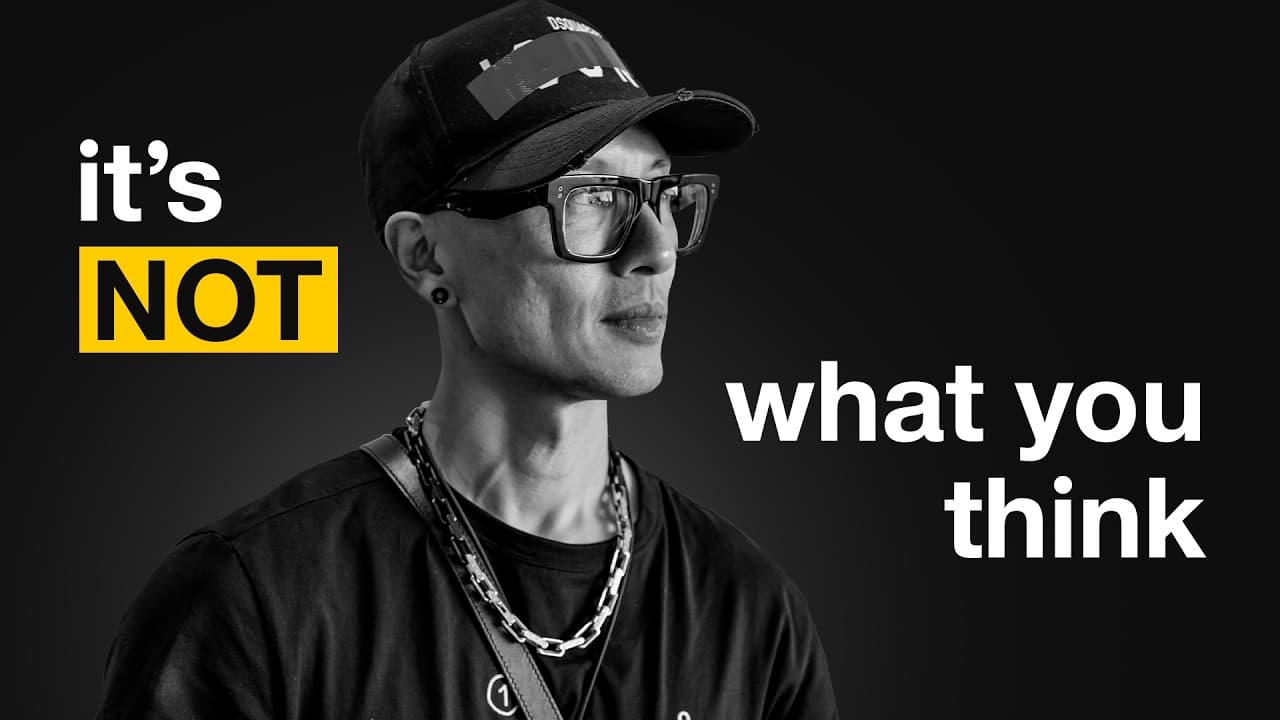
Branding taps Maslow's hierarchy to move customers from basic satisfaction to empowerment, with delight and engagement driving loyalty. By framing products as meaning and personal growth, brands command higher prices and stronger connections. The approach uses emotional storytelling, community, and a clear ladder of commitment to keep customers buying and advocating.
Transcript
I don't think you're going to be a stranger to this, but you know Maslo's hierarchy of needs. This we need to have. This is what we want to have. I find that there's a strange correlation with this and lots of things in our life. And I'm going to be like a conspiracy theorist here. So, at the bottom, the things that we have to have to survive like ... Read More
Key Insights
- Maslow's hierarchy is used to categorize emotional needs that influence buying decisions, from basic satisfaction to personal growth and empowerment.
- The brand commitment ladder explains how customers progress from satisfaction to loyalty, trust, and advocacy through increasingly deeper engagement.
- Delight and surprise act as accelerants for word of mouth and free marketing, boosting perceived value and trust without extra paid advertising.
- Engagement creates a sense of belonging to a tribe, which strengthens repeat purchases and brand loyalty.
- Brand storytelling that emphasizes meaning, personal growth, and identity can justify higher pricing and premium positioning.
- Apple and Nike exemplify emotional branding by focusing on identity and aspirational outcomes rather than just features.
- Think different and other campaigns show that price and specs are less decisive than the emotional narrative around a product.
- Content Lab is positioned as a pathway for coaches and creators to build brands that deliver meaning, not just work.
- More videos from this channel:
- More from this channel: The Futur
Install to Summarize YouTube Videos and Get Transcripts
Explore YouTube Video Summarizer or Get YouTube Transcript Extractor
Questions & Answers
Q: A real search query question about the video (e.g. 'How to...', 'What is...', 'Why does...', 'When should...'). Question 1
How do Maslow's hierarchy and the brand commitment ladder influence buying behavior and pricing strategies? The video explains that brands tap emotional needs at different levels of the hierarchy, from satisfaction to empowerment. By aligning products with identity, belonging, and personal growth, pricing can reflect perceived value, and customers are more willing to invest in meaning and outcomes beyond features.
Q: Question 2
Why is surprise and delight important in branding according to the video? It creates a moment of exceeding expectations that leads to social sharing and word of mouth, which acts as free advertising. This elevates trust and strengthens the perceived value of the brand, encouraging repeat purchases and advocacy without additional marketing spend.
Q: Question 3
What is the brand commitment ladder and how does it relate to customer loyalty? The ladder starts with satisfaction, moves to delight, then engagement, and finally empowerment. Each rung represents deeper customer commitment, with empowerment signaling personal growth and long term loyalty, making customers more likely to repurchase and promote the brand.
Q: Question 4
How do Apple and Nike illustrate emotional branding in the video? They focus on identity and aspirational outcomes rather than just product specs. Think different campaigns and community involvement position these brands as symbols of personal growth and status, which justifies premium pricing and strong loyalty.
Q: Question 5
What does empowerment mean in the context of branding as described in the video? Empowerment refers to helping customers grow personally and achieve their meaning and purpose. Brands that support this higher-level need build deeper relationships, encourage advocacy, and command higher prices due to the perceived transformative value.
Q: Question 6
Why do people vote with their money according to the discussion? Buying choices reflect identity and values, signaling who they are and what they stand for. This makes brands that align with consumer identity more compelling, leading to stronger loyalty and willingness to invest in premium offerings.
Q: Question 7
How can a business apply this framework to pricing and value proposition? By addressing emotional drivers like belonging, status, and growth, a product becomes more than a feature set. The focus shifts from price alone to the overall meaning and outcomes the brand delivers, enabling higher pricing through perceived value.
Q: Question 8
What is Content Lab and how is it positioned in the video? Content Lab is described as a private community to help coaches, content creators, and authors develop their personal brands. It is presented as a way to deliver meaning and community, aligning with the brand strategy discussed and supporting higher value offerings.
Summary & Key Takeaways
-
Branding leverages Maslow to map emotional needs to buying behavior, showing how basic satisfaction evolves into loyalty and advocacy. This creates a framework for pricing and value Beyond features, focusing on meaning, growth, and belonging.
-
Top brands use surprise and delight to trigger word of mouth, turning good service into free advertising and stronger trust, which raises willingness to pay and repeat purchases.
-
The video compares Apple and Nike as case studies, illustrating how depth of emotional connection and identity alignment outperform pure specs in driving sales and premium positioning.
Read in Other Languages (beta)
Share This Summary 📚
Summarize YouTube Videos and Get Video Transcripts with 1-Click
Try YouTube Summary with ChatGPT & Claude or YouTube Transcript Generator
Explore More Summaries from The Futur 📚



Summarize YouTube Videos and Get Video Transcripts with 1-Click
Try YouTube Summary with ChatGPT & Claude or YouTube Transcript Generator