How to attract higher paying clients by selling outcomes
TL;DR
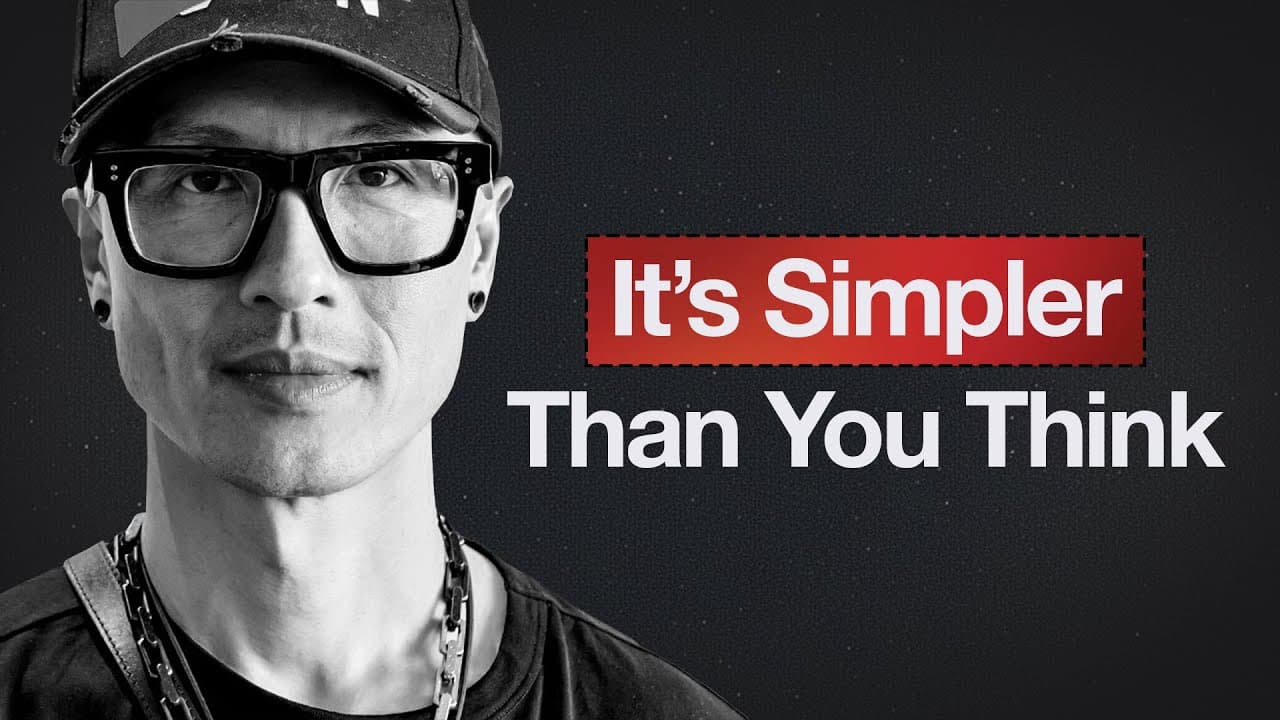
The core idea is to sell the value and financial impact, not the deliverable. Identify a client’s burning problem, measure the pain and potential payoff, and price according to the problem size rather than time spent. Shifting to outcomes helps win bigger, better funded clients.
Transcript
Your client desires something beyond the thing that you make. But what we almost always do is sell the thing that we make. I make websites. I make shoes. I make whatever it is. And that's why we're not tapping into the highest potential value what we do. So every time I ask creative people like who do you serve? They almost always say like startups... Read More
Key Insights
- Outcomes, not deliverables, drive higher fees and better clients.
- The size of the problem correlates with the client budget, not the service offered.
- Sell money, not time or services, to quantify value.
- Ask clients to reveal their pain to justify pricing and urgency.
- Price should reflect impact and the client’s willingness to invest.
- Identify burning pains and quantify the cost of inaction.
- Avoid chasing solvable problems that are not financially significant to the client.
- Use Socratic selling to uncover real business needs and pain points.
- More videos from this channel:
- More from this channel: The Futur
Install to Summarize YouTube Videos and Get Transcripts
Explore YouTube Video Summarizer or Get YouTube Transcript Extractor
Questions & Answers
Q: A real search query question about the video (How to, What is, Why does). Question 1
How can a creative professional attract higher paying clients by changing what is being sold from a deliverable to an outcome, and how does this shift impact pricing strategy and client selection? The approach requires reframing services around business results, such as increased revenue or reduced costs, which enables charging a premium aligned with the client’s budget and risk tolerance. The key is to demonstrate measurable impact and to choose engagements where the client perceives a clear and significant return on investment.
Q: Question 2
What role does the size of the client’s problem play in determining the budget and price, and how should a seller use this insight to structure proposals and conversations with potential clients? The bigger the problem and urgency, the larger the budget and the more willing the client is to invest. Demonstrating the problem's impact helps justify pricing that reflects the potential return, rather than billing for time or a fixed deliverable.
Q: Question 3
Why should you focus on selling money rather than time or services, and how does this shift affect client perception and decision making? Selling money reframes the value as a financial outcome, making the service feel like a revenue or cost-saving initiative. This increases perceived ROI and reduces price resistance, since clients can quantify the upside and justify the investment.
Q: Question 4
How can you help a client feel the pain of their problem, and why is that important for closing a higher value engagement? By guiding the client to articulate costs of inaction and the urgency to solve the problem, you create a stronger motivation to invest. This Socratic approach surfaces real business needs and makes the value of your solution tangible.
Q: Question 5
What is the purpose of asking the question Why not do nothing in conversations with potential clients, and how does it influence pricing decisions? This question reveals the client’s tolerance for risk and the severity of the problem, exposing the true need for change. It helps determine if the client will invest in a proactive solution and supports higher pricing based on urgency.
Q: Question 6
How can you avoid chasing the wrong clients and ensure you offer services that align with their money-making goals? Start by qualifying for problems with real financial impact, not merely interesting projects. If the client cannot demonstrate a clear revenue or efficiency gain, the engagement is likely misaligned and should be reconsidered or reframed.
Q: Question 7
What is Socratic selling and how does it help in pricing and positioning services? Socratic selling uses strategic questions to uncover underlying business needs and pain points. It helps you quantify value, align the service with financial outcomes, and justify higher prices by linking deliverables to measurable business improvements.
Q: Question 8
What practical steps can a creator take to implement value based pricing and win bigger, better funded clients? Start by mapping client pain points to potential financial gains, translate outcomes into price ranges, and practice pitching with ROI scenarios. Build a narrative that ties your work directly to the client’s bottom line and readiness to invest.
Summary & Key Takeaways
-
The video argues that creatives often sell a deliverable instead of the business impact, which limits price and client quality. It recommends reframing offerings around outcomes and money saved or made for the client. This approach aligns services with the client’s biggest business priorities and budgets.
-
It emphasizes finding clients with large, urgent pains that justify bigger budgets and higher commissions. By asking about the client’s willingness to invest and the cost of inaction, you reveal true value and price accordingly.
-
The speaker cautions against serving the wrong clients and encourages probing the client’s underlying problems to ensure the service is truly solving a costly issue. The narrative uses a pricing example tied to investment returns to illustrate value-based selling.
Read in Other Languages (beta)
Share This Summary 📚
Summarize YouTube Videos and Get Video Transcripts with 1-Click
Try YouTube Summary with ChatGPT & Claude or YouTube Transcript Generator
Explore More Summaries from The Futur 📚

Summarize YouTube Videos and Get Video Transcripts with 1-Click
Try YouTube Summary with ChatGPT & Claude or YouTube Transcript Generator