How to use 10 negotiation lines to close deals
TL;DR
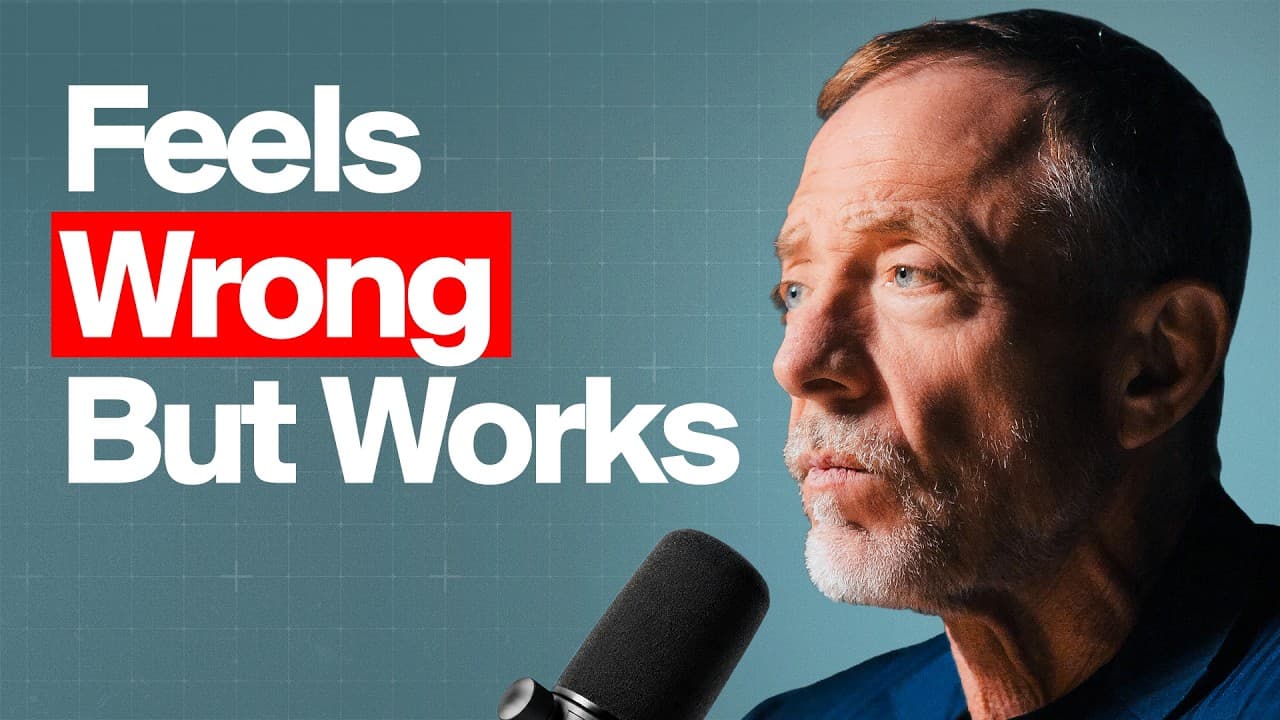
The video teaches 10 negotiation lines and their underlying playbook to flip deals in any room. It explains how saying no can make others feel safe, while triggering loss drives action, and how to follow up when responses vary. It also covers when to nurture a lead and when silence is the right move.
Transcript
You got to understand it's not a sin to not get the deal. It's a sin to take a long time to not get the deal. 20% of the time they've moved on. They just haven't told you. >> That's Chris Voss, former FBI hostage negotiator, author of Never Split the Difference and one of the most dangerous communicators in the world. >> First of all, the act of sa... Read More
Key Insights
- Have you given up on X triggers a rapid response by the other party because it creates urgency and loss awareness.
- Saying no is a safe, protective action for the other person and helps you move negotiations forward without appearing threatening.
- Loss aversion dominates decision making, so framing questions around potential loss can accelerate action.
- The line has to land in a way that makes the other party feel untrapped and open to a response.
- There are three possible outcomes after you send a line: instant deal, they move on, or they need nurturing.
- Avoid tone issues in text by keeping the initial line intact and letting the recipient respond before you add more.
- If you get dead silence after the line, treat it as a yes and adjust your approach accordingly.
- Summary of the other side’s position back to them can help you identify blockers and foster movement.
Install to Summarize YouTube Videos and Get Transcripts
Explore YouTube Video Summarizer or Get YouTube Transcript Extractor
Questions & Answers
Q: What is the core idea behind using the line Have you given up on X in negotiation?
The line Have you given up on X works because it triggers several emotional responses at once. It creates a sense of loss and urgency while signaling that the other party may be missing out if they do not act. This combination increases the likelihood of a quick response and can move the deal forward.
Q: Why is saying no beneficial in negotiations according to the episode?
Saying no is beneficial because it makes the other party feel safe and protected, reducing the sense of being trapped. It allows them to decline without feeling cornered, which in turn makes them more willing to engage and negotiate further rather than retreating from the deal.
Q: How should you respond if the other party moves on and does not respond to Have you given up on X?
If they move on, you should quickly assess whether the deal is completely off the table or if there is still potential with nurturing. The next step is to summarize their position to clarify concerns, then address fears or blockers that are preventing closure, and adjust your approach accordingly.
Q: What does the host say about using the line in email or text messages?
The host says the line in texts or emails should land as written, without adding extra content. The tone is less critical in this format, and the emphasis is on provoking a response. If there is dead silence, treat it as an implied yes and proceed.
Q: When is the line Have you given up on X most likely to fail, according to the discussion?
The line fails when the answer is actually a yes, but the recipient is reluctant to say it. In that case, forcing a response may backfire. The better approach is to observe the context and, if needed, pivot to a softer or different tactic to confirm commitment.
Q: What should you do if the response indicates a need for nurturing?
If nurturing is required, you should summarize the other side’s position back to them to create clarity and validate their concerns. Then ask what is stopping the deal, addressing fears, and guiding the conversation toward a resolution that aligns with their interests.
Q: How does loss aversion influence negotiation outcomes in this video?
Loss aversion drives many decision makers to act to avoid losing what they already have. By introducing elements that imply potential loss in a controlled way, you can trigger action and move the deal forward while maintaining a non-threatening posture.
Q: What is the role of silence after delivering a negotiation line?
Silence allows the other party to process their thoughts and respond with more sincerity. It also signals that you are not rushing them, which can encourage a more thoughtful and genuine reply. The absence of immediate words can reveal their true stance.
Summary & Key Takeaways
-
A practical playbook is presented, distilling ten negotiation lines and the frameworks behind them into actionable steps you can apply in business or personal negotiations.
-
The host explains the psychology of saying no and how it creates a safe space while hinting at potential loss, which motivates the other party to respond more quickly.
-
The episode emphasizes recognizing three possible outcomes after a line is used, knowing when to push, nurture, or bow out and how to use silence effectively to gauge the other party’s stance.
Read in Other Languages (beta)
Share This Summary 📚
Summarize YouTube Videos and Get Video Transcripts with 1-Click
Try YouTube Summary with ChatGPT & Claude or YouTube Transcript Generator
Explore More Summaries from Open Residency 📚






Summarize YouTube Videos and Get Video Transcripts with 1-Click
Try YouTube Summary with ChatGPT & Claude or YouTube Transcript Generator