How to build a lasting personal brand that scales
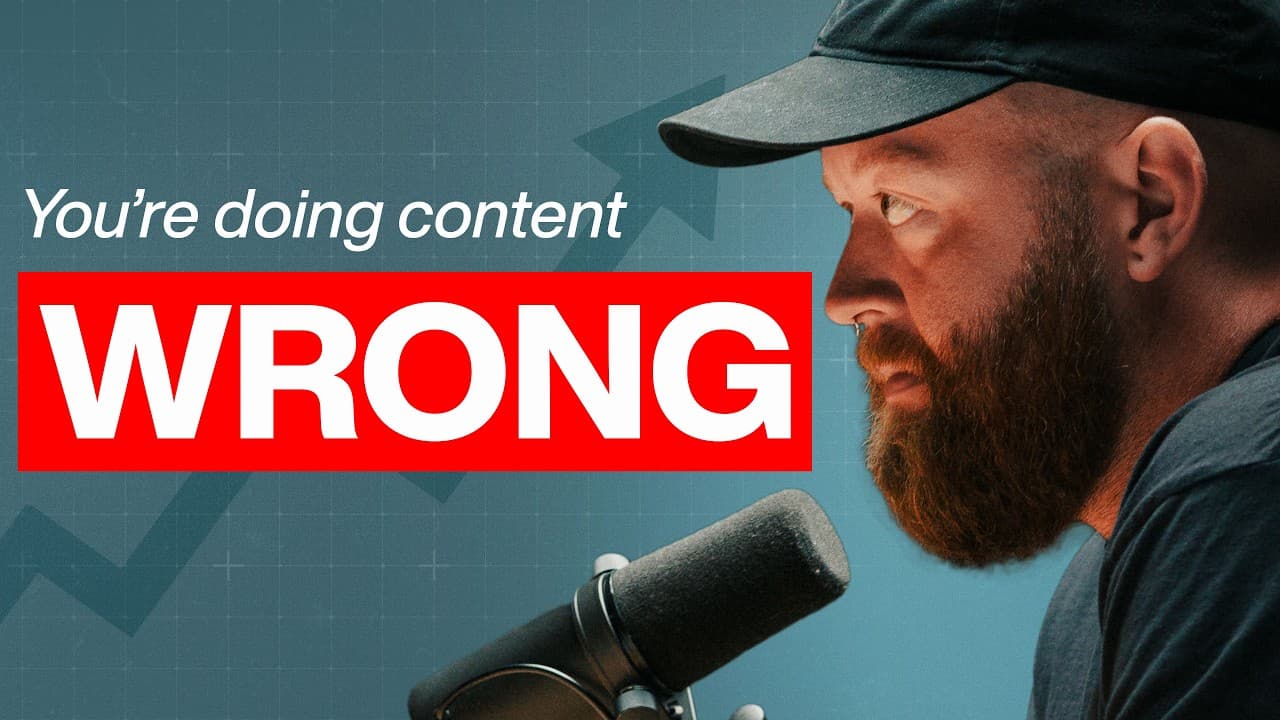
TL;DR
A strong personal brand starts with clear purpose and a plan. Use a four question Brand Journey Framework to reverse engineer from the desired outcome, decide what you must be known for, and determine necessary actions and learning. Prioritize intentional associations, consistent branding, and practical platform choices to avoid burnout and drive measurable impact.
Transcript
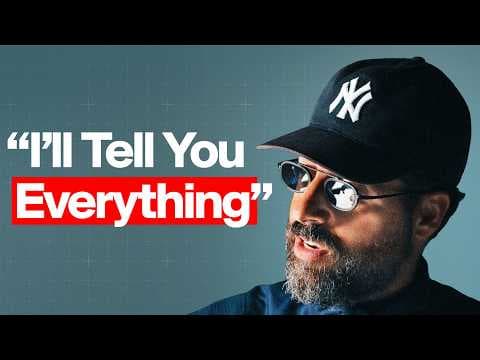
We have a disgusting problem in the business creator educational space. Everybody looks like one character. What percent of people do you think actually have clarity in their business? Uh, next to none. Caleb Rston is the founder of Rston, a creative agency that's quietly built some of the most recognized brands in business. He was a key member of ... Read More
Key Insights
- The Brand Journey Framework is a four questions system that starts with the desired outcome and works backward to determine identity, actions, and learning.
- Branding is defined as pairing relevant elements consistently, with brand as the outcome of those deliberate pairings.
- Association is a central driver of brand perception, achieved by intentional connections with people, topics, and ideals.
- Content strategy should focus on inputs and outputs, using episodes and posts to drive toward the outcome rather than chasing views.
- Not everyone should publicly amplify a personal brand; clarity about purpose prevents wasted effort and potential harm to personal life and business.
- Clarity begins with asking why you are building the brand and what outcome you expect to create, setting the foundation for all decisions.
- Knowing what you need to be known for is essential to guide actions, content themes, and collaboration choices.
- Learning requirements must be identified to execute the necessary actions and reach the desired outcomes, acknowledging gaps that hold back progress.
Install to Summarize YouTube Videos and Get Transcripts
Explore YouTube Video Summarizer or Get YouTube Transcript Extractor
Questions & Answers
Q: How does the Brand Journey Framework guide brand growth?
The Brand Journey Framework asks four questions to shape strategy: why are we doing this, what do we need to be known for, what actions are required to achieve that recognition, and what must we learn to perform those actions. By starting with the outcome and reverse engineering, creators align identity, activities, and learning with concrete goals, reducing waste and increasing focus.
Q: What role does association play in branding?
Association links audiences to a set of concepts, traits, or people through deliberate pairings. Branding is the action of creating those pairings, while the brand is the resulting perception in the audience. Consistent, intentional associations with relevant topics help audiences recognize and remember you as the expert in a given area.
Q: Why might someone decide not to amplify their personal brand publicly?
Amplifying a personal brand publicly is not always beneficial. If the intended outcome does not justify the resources, risk, or potential impact on privacy and relationships, it is better to keep a lower profile. The decision depends on whether public branding supports business goals and personal well being.
Q: How can beginners start creating associations when they have no platform yet?
Beginners can start by associating themselves with ideas, traits, or topics they want to be known for. Focusing on a niche such as performance marketing on specific platforms helps stand out, then gradually broadens to related topics as the audience grows.
Q: What is the relationship between inputs and outcomes in content creation?
Inputs like producing episodes and posting content drive outputs such as audience awareness and achievement of the desired outcome. Tracking and refining these inputs—without being overwhelmed by vanity metrics—helps ensure that every piece of content serves the strategic goals.
Q: How should brands measure success beyond views?
Success should be measured by outcome-oriented metrics such as how content contributes to the desired brand outcomes, the quality of associations formed, and the efficiency of the content pipeline. These measures provide a clearer indication of long term growth than views alone.
Q: What is the importance of learning in the Brand Journey Framework?
Learning is the step that fills gaps between what must be done to achieve recognition and the current capabilities. It helps you acquire the skills, knowledge, and resources necessary to perform the required actions and reach the desired outcomes.
Q: How can someone build a content team to reduce bottlenecks?
A practical approach is to map the content process, identify bottlenecks, and delegate tasks that align with each team member’s strengths. A focused team accelerates production, ensures consistency, and maintains alignment with the four questions of the Brand Journey Framework to sustain progress.
Summary & Key Takeaways
-
The Brand Journey Framework uses four questions to align outcomes with identity, actions, and learning, helping creators clarify their purpose and plan. It emphasizes reverse engineering from desired results and ensuring every step moves toward that outcome.
-
Association is the core mechanism for brand perception, pairing relevant traits and ideas consistently so audiences link them to you. Deliberate pairing helps you stand out and build a cohesive identity.
-
Successful branding balances platform strategy with meaningful content inputs, measuring beyond vanity metrics like views and focusing on actions that move the brand toward its stated outcomes and long term growth.
Read in Other Languages (beta)
Share This Summary 📚
Summarize YouTube Videos and Get Video Transcripts with 1-Click
Try YouTube Summary with ChatGPT & Claude or YouTube Transcript Generator
Explore More Summaries from Open Residency 📚

Summarize YouTube Videos and Get Video Transcripts with 1-Click
Try YouTube Summary with ChatGPT & Claude or YouTube Transcript Generator