How to Run Multiple Companies With Four Priorities
TL;DR
Run multiple companies by defining four measurable annual priorities, translating them into team-level requirements, and rejecting work that does not support those goals. A proactive C-suite and clear accountability let the CEO delegate execution, while detailed forecasting, multiyear planning, and regular check-ins keep every brand aligned without requiring the founder to remain involved in everything.
Transcript
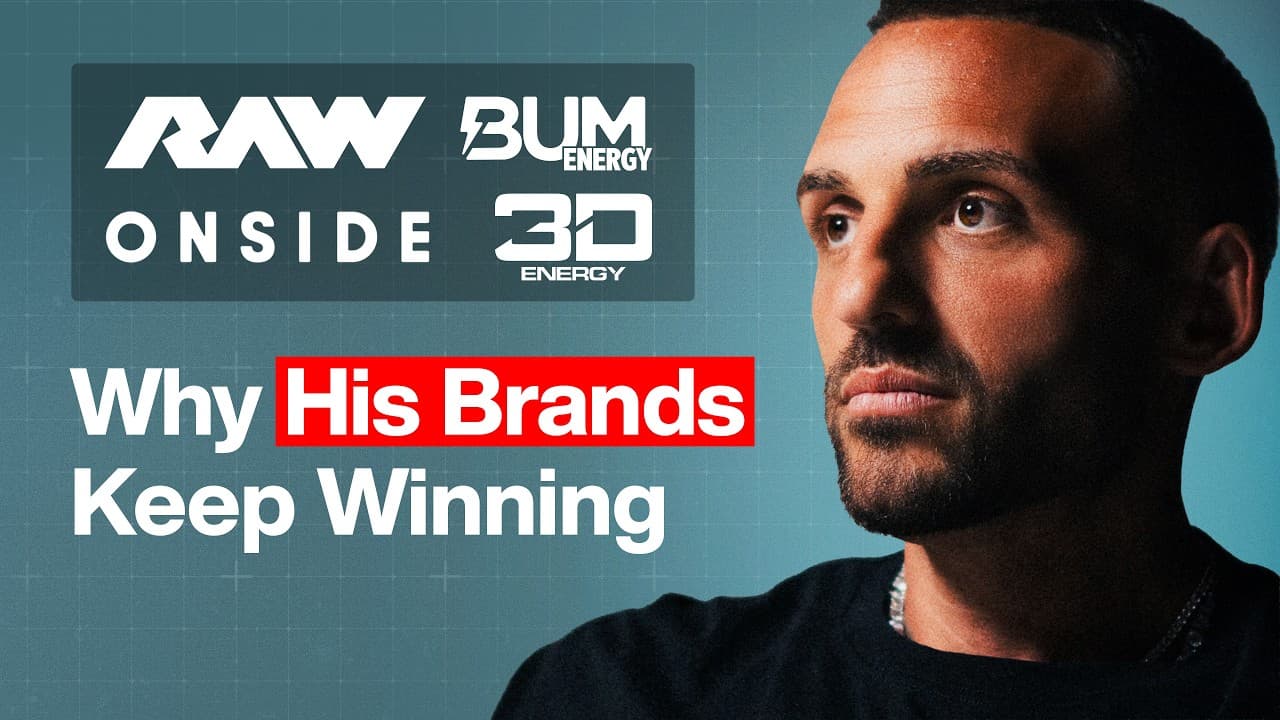
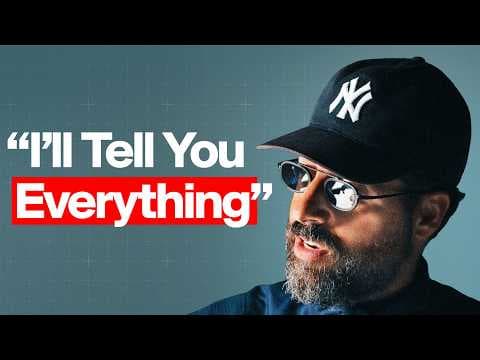
One of the issues with founders is they [ __ ] their own team by trying to stay involved in everything. I think it's absolute [ __ ] >> That's Dom, the American CEO inside the Quality Group, a 10-f figureure brand house behind Raw Nutrition, Bum Energy, and some of the fastest growing CPG players in the game today. >> You're only as good as the las... Read More
Key Insights
- The strategic growth model is an annual operating framework built around four priorities that matter most to the business. Each priority receives measurable goals, deadlines, and supporting plans so the organization can concentrate its resources instead of dividing attention among every available opportunity.
- Multiyear planning is a major difference between informal founder-led execution and professional operational management. Dom says the organization is planning for 2028, using granular forecasts and predictions that he has seen correlate directly with profitability and overall business growth.
- A top-down, bottom-up planning process connects leadership ambitions to operational reality. Executives define the goals, while teams determine the employees, inventory, retail doors, sales velocity, and other practical requirements needed to deliver the targeted financial and KPI outcomes.
- The strategic growth model works as a set of guardrails for meetings and decisions. Work that does not contribute directly to the four chosen initiatives can be removed, reducing useless meetings and preventing leaders from losing months to appealing but irrelevant opportunities.
- A proactive C-suite is essential because discovering problems only after they become urgent is already too late. Dom expects executives, brand managers, and functional leaders to anticipate obstacles, solve problems independently, and behave like entrepreneurs responsible for their own teams.
- Delegation succeeds when priorities remain clear at every organizational level. The CEO communicates the strategy to senior leaders, those leaders translate it for their teams, and employees ranging from warehouse staff to marketers should understand which company building block their work supports.
- Operational support from an acquisition can extend far beyond capital. Dom credits CVC and The Quality Group with providing relationships, introductions, hiring credibility, and experienced guidance that helped the business recruit former employees from major consumer-goods companies and improve execution.
- Retail growth depends on repeatedly delivering innovation after earning distribution. Dom says strong performance inside retail doors encourages retailers to request more products, making continued product development and reliable execution central to expanding the long-term opportunity.
Install to Summarize YouTube Videos and Get Transcripts
Explore YouTube Video Summarizer or Get YouTube Transcript Extractor
Questions & Answers
Q: How can a CEO run multiple companies without managing everything?
A CEO can oversee multiple companies by establishing a common planning system, choosing four essential annual priorities for each business, and assigning proactive leaders to own execution. Those leaders then communicate the priorities through their teams. The CEO provides direction and checks progress, but does not remain involved in every task, meeting, or departmental decision.
Q: What is a strategic growth model for a business?
A strategic growth model is the annual framework Dom uses to organize a brand around four key building blocks. Leadership identifies the most important initiatives, defines measurable goals and deadlines, and develops both top-down direction and bottom-up operating requirements. The model also creates guardrails that determine which projects and meetings deserve the organization’s attention during the year.
Q: How does top-down and bottom-up business planning work?
Top-down planning begins when senior leadership defines the company’s major goals and desired outcomes. Bottom-up planning asks operating teams to calculate what achieving those outcomes requires, including employees, team capacity, inventory, retail door counts, and sales velocity per door. Combining both perspectives turns a large objective into specific, quantifiable responsibilities that teams can understand and pursue.
Q: Why should a company limit itself to four annual priorities?
Four annual priorities give the organization a manageable set of outcomes around which it can align people, resources, and meetings. Without those guardrails, founders and teams can chase attractive new opportunities, lose focus for months, and fall behind on essential work. The limited set of priorities makes it easier to identify distractions and maintain consistent execution.
Q: What makes a C-suite effective at delegation?
An effective C-suite consists of proactive problem solvers who operate like entrepreneurs inside the company. They do not merely wait for the CEO to issue instructions or react after problems become obvious. They understand the goals, anticipate obstacles, lead their own teams, and translate high-level priorities into clear responsibilities for the employees accountable for daily execution.
Q: How should company priorities reach every employee?
Company priorities should cascade from the CEO to senior executives, brand managers, functional leaders, and individual employees. Each leader acts as the CEO of their team and explains how its work contributes to the same strategic building blocks. Dom’s goal is for employees across warehouses, finance, marketing, and content production to know exactly which priority they are pursuing.
Q: How did the acquisition change Dom Iacovone as an operator?
The acquisition exposed Dom to more detailed strategic planning, forecasting, prediction, and operational execution. He says he moved beyond the founder habit of running and gunning and began treating the portfolio as a broader business opportunity. CVC and The Quality Group also provided relationships, introductions, hiring credibility, and access to experienced people, not merely additional capital.
Q: How can consumer brands grow after entering retail stores?
Consumer brands can grow after earning retail distribution by performing well inside those stores and repeatedly supplying new products. Dom says retailers want more products when an existing brand succeeds, and they are seeking innovation. Continued growth therefore depends on delivering useful launches consistently, maintaining execution quality, and tracking operational measures such as door counts and velocity per door.
Summary & Key Takeaways
-
Dom Iacovone describes evolving from a fast-moving founder into the American CEO of The Quality Group, where detailed forecasting, strategic planning, and operational discipline guide a portfolio of brands. Working with CVC and experienced executives gave him access to relationships, hiring leverage, and operating tools beyond capital, changing how he evaluates business growth.
-
His strategic growth model organizes each annual cycle around four essential initiatives. Leadership sets the overall objectives, while teams calculate the employees, inventory, retail doors, sales velocity, and other resources required to achieve them. Quantifiable targets and deadlines transform ambitious goals into understandable work that employees can execute and monitor throughout the year.
-
Delegation depends on proactive executives who act like entrepreneurs within their areas of responsibility. Each leader carries the company priorities down through their team so employees at every level understand the same building blocks. This alignment prevents departments from pursuing attractive but distracting projects that consume time without advancing the agreed annual strategy.
Read in Other Languages (beta)
Share This Summary 📚
Summarize YouTube Videos and Get Video Transcripts with 1-Click
Try YouTube Summary with ChatGPT & Claude or YouTube Transcript Generator
Explore More Summaries from Open Residency 📚


Summarize YouTube Videos and Get Video Transcripts with 1-Click
Try YouTube Summary with ChatGPT & Claude or YouTube Transcript Generator