How David Grutman Built a Hospitality Empire
TL;DR
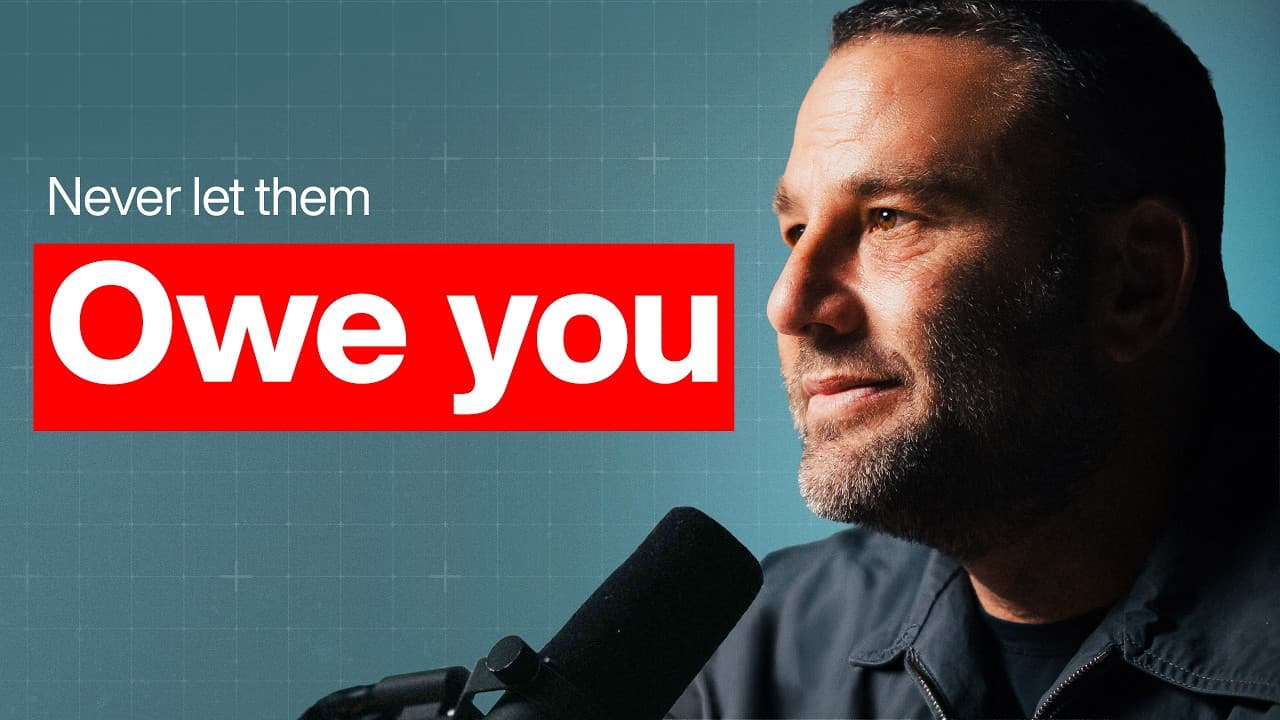
David Grutman built his hospitality empire by over-delivering for people, nurturing relationships through mutual appreciation, and connecting restaurants, lounges, and nightclubs into one customer experience. Komodo, his first restaurant, became the foundation of that ecosystem and grew from an 18,000-square-foot Miami venue into additional locations in Vegas and Dallas. Read on for his lessons about relationships, failure, intellectual property, location, and brand expansion.
Transcript
People always say, "Don't take it personal." I'm like, "Yeah, I don't know about that one." Think you better [ __ ] take it personal. >> David Grutman is the force behind some of the most iconic nightlife and restaurant brands. He's built one of the most powerful ecosystems in hospitality today. And he breaks down how he turns relationships into an... Read More
Key Insights
- David Grutman emphasizes the importance of taking things personally in business, which drives his attention to detail and success.
- Building relationships and appreciating contributions are key to sustaining long-term partnerships in the hospitality industry.
- Grutman believes in creating an ecosystem where restaurants feed into nightclubs, enhancing the overall customer experience.
- Intellectual property is crucial in hospitality; ventures should be scalable and partners should add significant value.
- Revenue is a critical factor in profitability; higher revenue helps offset fixed costs like rent and utilities.
- Grutman advises having a mix of lease and management deals to ensure consistent cash flow and reduce risk.
- Investing in consumer brands requires early entry and realistic valuations to avoid down rounds.
- Failures, such as mid-level ventures, taught Grutman to focus on high-end, experience-driven concepts.
Install to Summarize YouTube Videos and Get Transcripts
Explore YouTube Video Summarizer or Get YouTube Transcript Extractor
Questions & Answers
Q: How did David Grutman build a powerful hospitality empire?
Grutman says the key is doing what you promise and then over-delivering for people. He combined that approach with strong relationships and an ecosystem in which restaurants, lounges, and nightclubs support one another throughout a guest's night.
Q: What does David Grutman believe makes relationships last?
He identifies appreciation as the common thread in lasting relationships. Both people should acknowledge and value what the other does, and he finds it especially rewarding to see someone's reaction after delivering a memorable meal, night out, or experience.
Q: How did Komodo help Grutman expand beyond nightlife?
Komodo was Grutman's first restaurant and gave guests a place to meet before going to LIV. Seeing that restaurants could feed customers into the nightclub helped him move from being known only as a nightclub operator toward becoming a broader hospitality figure.
Q: Why did Grutman create an ecosystem of restaurants, lounges, and nightclubs?
He wanted to own more of the guest experience without losing people between dinner and the nightclub. Because Miami nightlife could extend to 5 a.m., he saw an opportunity to connect dinner around 8 or 9, the lull before 1 a.m., and the club experience.
Q: What did Grutman learn from raising $10 million for Komodo?
The investors believed in him even though he had never opened a restaurant. They received a percentage of Komodo's intellectual property as it grew, which Grutman says they deserved because they took a significant risk.
Q: How large are the Komodo restaurants?
Grutman says the Miami location is 18,000 square feet and the Vegas location is probably close to that size. The Dallas restaurant is about 10,000 square feet, making Komodo a large-format concept.
Q: How did Grutman make Komodo successful in a new Miami area?
He spent every night building the business and persuaded celebrities and DJs to visit before going out. He also bet that nearby condos would bring young professionals into an area that had few other compelling restaurants.
Q: What role did failure play in David Grutman's business journey?
Grutman says reaching his level required big losses, including a nightclub of his own that failed miserably. He treats that failure as part of his development and says he would approach the opportunity differently with the capabilities and resources he has now.
Summary & Key Takeaways
-
David Grutman built a powerful hospitality empire by focusing on relationships and over-delivering experiences. He turned venues like LIV and Komodo into iconic brands by creating an ecosystem where each venue supports the others, enhancing the customer experience. Grutman emphasizes the importance of intellectual property and strategic partnerships, which allow for scalable growth and brand longevity.
-
Grutman's journey includes both successes and failures, teaching him to focus on high-end experiences rather than mid-level ventures. His approach to business involves taking things personally, which drives his attention to detail and ultimately, his success. He believes in the power of personal branding and the importance of integrating ventures into a cohesive ecosystem.
-
In addition to his hospitality ventures, Grutman is active in venture capital, investing in consumer brands with a focus on realistic valuations and early entry. His investment philosophy is informed by past mistakes, ensuring future deals are strategically sound. Grutman's story illustrates the importance of adaptability, strategic partnerships, and a strong personal brand in building a successful business.
Read in Other Languages (beta)
Share This Summary 📚
Summarize YouTube Videos and Get Video Transcripts with 1-Click
Try YouTube Summary with ChatGPT & Claude or YouTube Transcript Generator
Explore More Summaries from Open Residency 📚




Summarize YouTube Videos and Get Video Transcripts with 1-Click
Try YouTube Summary with ChatGPT & Claude or YouTube Transcript Generator