Theranos Part 2: How Did Elizabeth Holmes Fool Everyone?
TL;DR
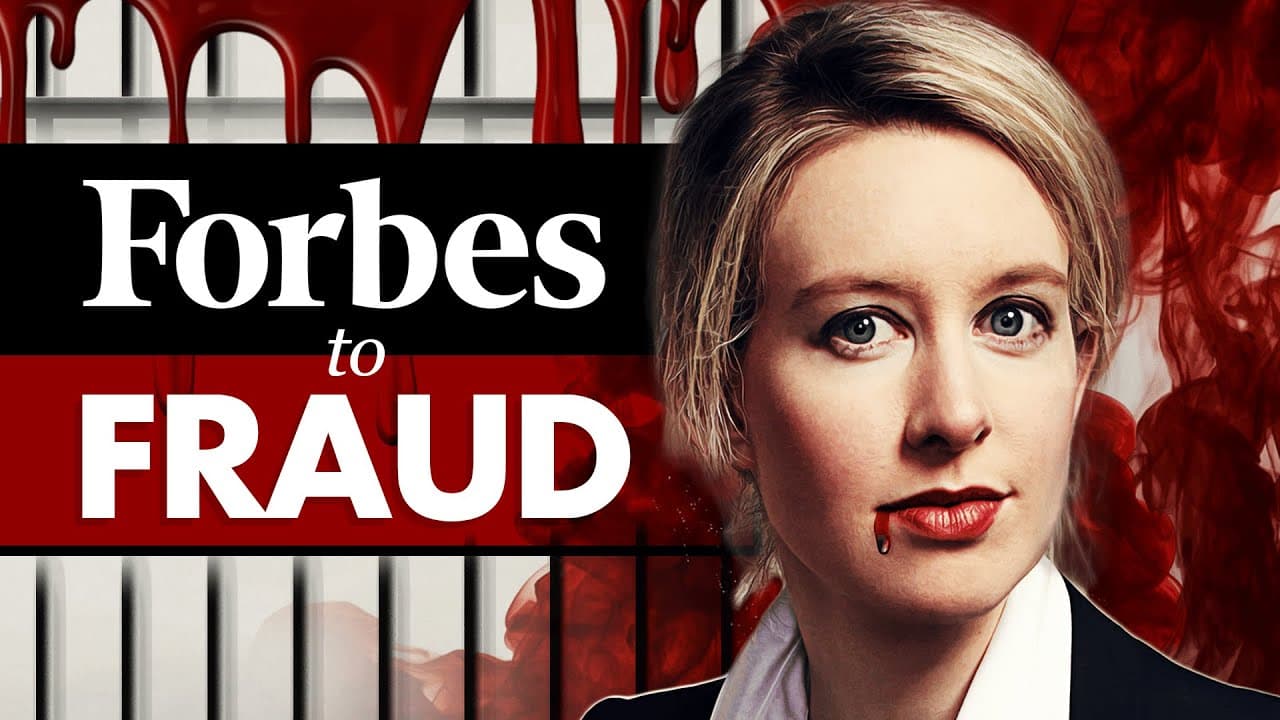
Elizabeth Holmes fooled investors, board members, and the public by combining emotional storytelling, influential connections, misleading documents, and herd mentality. She recruited figures such as Henry Kissinger and James Mattis, displayed Pfizer’s logo as if it signaled approval, and misrepresented a two-page Johns Hopkins report. Her apparent belief that Theranos would eventually fulfill its claims helps explain how the deception escalated. Read on to see how each tactic worked.
Transcript
do you swear to tell the truth the whole truth and nothing about the truth this video is part two of the theranose miniseries if you haven't yet seen part one you can watch it by clicking here or using the link in the description below after the deal with walgreens and safeway was announced elizabeth holmes started appearing all over the news forbe... Read More
Key Insights
- Elizabeth Holmes's real talent was manipulating others, not medicine or business. Dropping out of a chemical engineering degree after just a few months did not qualify her to start a revolutionary medical company, but the media wanted the story to be true.
- Herd mentality allowed the fraud to grow. As more high-profile people invested in Theranos, future investors did less due diligence, trusting that previous investors had verified the technology when really they had just been charmed by Holmes.
- High-profile board members added false legitimacy. Holmes recruited Henry Kissinger and former Secretary of Defense James Mattis, none of whom had even basic knowledge of blood science, so nobody doubted the company.
- Holmes faked endorsements to fool investors. She placed the Pfizer logo on Theranos documents implying approval, and used a two-page Johns Hopkins report that only confirmed the school had seen the device, not that it verified results.
- The Theranos story is one of self-delusion, not just scamming. Holmes seemed to genuinely believe the technology would eventually catch up to her claims, which is why she stalled deals and stripped false claims from the website the night before launch.
- Holmes idolized Steve Jobs to an extreme degree. She copied his black turtleneck, hired former Apple employees and Apple's marketing firm, scheduled meetings on Wednesdays like he did, and called Theranos the iPod of healthcare.
- The lies snowballed from small to catastrophic. What started as cherry-picked stats to investors escalated into fake dangerous blood tests on the public and completely made-up revenue numbers given to investors.
- The crucial difference from tech fakery is human life. Jobs faked a working iPhone demo, but Holmes knowingly allowed incorrect test results to be sent to patients, putting lives at risk for her own self-interest.
Install to Summarize YouTube Videos and Get Transcripts
Explore YouTube Video Summarizer or Get YouTube Transcript Extractor
Questions & Answers
Q: How did Elizabeth Holmes fool investors and the public about Theranos?
Holmes presented an emotionally compelling story about a young college dropout transforming healthcare while surrounding herself with powerful supporters. The media and investors wanted that story to be true, so they initially examined her claims less closely than they should have. She reinforced the illusion with influential board members and documents that appeared to validate Theranos technology.
Q: Why did Theranos investors perform less due diligence?
The transcript describes a classic case of herd mentality: as more high-profile people backed Theranos, others assumed the company had already been properly investigated. Future investors therefore questioned it less and trusted earlier investors’ judgment. In reality, those earlier backers had also been persuaded by Holmes and her story.
Q: Which prominent figures gave Theranos credibility?
Holmes recruited powerful older men, including Henry Kissinger and former U.S. Secretary of Defense James Mattis, to the Theranos board. Their reputations made the company appear legitimate and discouraged doubts. According to the transcript, the board members Holmes hired lacked even basic knowledge of blood science.
Q: How did Elizabeth Holmes fake evidence that Theranos technology worked?
Holmes placed the Pfizer logo on Theranos documents and presentations, implying that Pfizer had approved the technology when it had not. She also presented a Johns Hopkins medical school report as an endorsement. The two-page report merely confirmed that the school had seen the device and did not say its results had been verified.
Q: Was the Theranos deception a scam or self-delusion?
The transcript argues that self-delusion was central to the Theranos story because Holmes appeared to believe the technology would eventually catch up with her claims. She stalled the Walgreens and Safeway deals while waiting for that to happen. The night before the Theranos website launched, she ordered the removal of unsupported claims, including FDA approval and the ability to perform 800 tests.
Q: How did Elizabeth Holmes use her uncle’s death to promote Theranos?
During a TED Talk, Holmes spoke about losing her uncle to cancer and portrayed that loss as motivation for building Theranos. It was later found that she had not been close to him. The transcript says she repeatedly used his death to stir emotion and strengthen her story.
Q: How did Silicon Valley’s “fake it till you make it” culture influence Theranos?
Holmes acted as though unsupported claims would cease to matter once the Theranos machine finally worked as promised. She kept delaying major partnerships because she believed the technology would catch up. The transcript calls this the epitome of “fake it till you make it” and connects it to Silicon Valley’s faith in ambitious technological breakthroughs.
Q: Why did Elizabeth Holmes remove claims from the Theranos website before launch?
The night before the website was scheduled to go live, Holmes requested a large set of changes removing claims that were not true. These included statements that Theranos was FDA approved and that its machine could perform 800 tests. The transcript suggests she had expected those claims to become true before launch, but the technology never caught up.
Summary & Key Takeaways
-
After the Walgreens and Safeway deals, Elizabeth Holmes became a media celebrity, praised as the first female tech billionaire and compared to college dropouts like Zuckerberg and Jobs. But coding can be self-taught, while dropping out of a chemical engineering degree after months did not qualify her to run a medical company.
-
Holmes's gift was manipulation. She milked her uncle's cancer death for a TED Talk despite not being close to him, and networked with powerful older men including Henry Kissinger and James Mattis. Herd mentality meant investors stopped questioning her, assuming others had done the due diligence they skipped.
-
When challenged for proof, Holmes faked a Pfizer logo endorsement and misrepresented a Johns Hopkins report. Believing the science would catch up, she stalled deals, faked a lab for Joe Biden, used a fake deep voice, and ultimately let dangerous, made-up test results reach patients while giving investors fabricated revenue.
Read in Other Languages (beta)
Share This Summary 📚
Summarize YouTube Videos and Get Video Transcripts with 1-Click
Try YouTube Summary with ChatGPT & Claude or YouTube Transcript Generator
Explore More Summaries from MagnatesMedia 📚






Summarize YouTube Videos and Get Video Transcripts with 1-Click
Try YouTube Summary with ChatGPT & Claude or YouTube Transcript Generator