How Did YouTube Become a Global Giant?
TL;DR
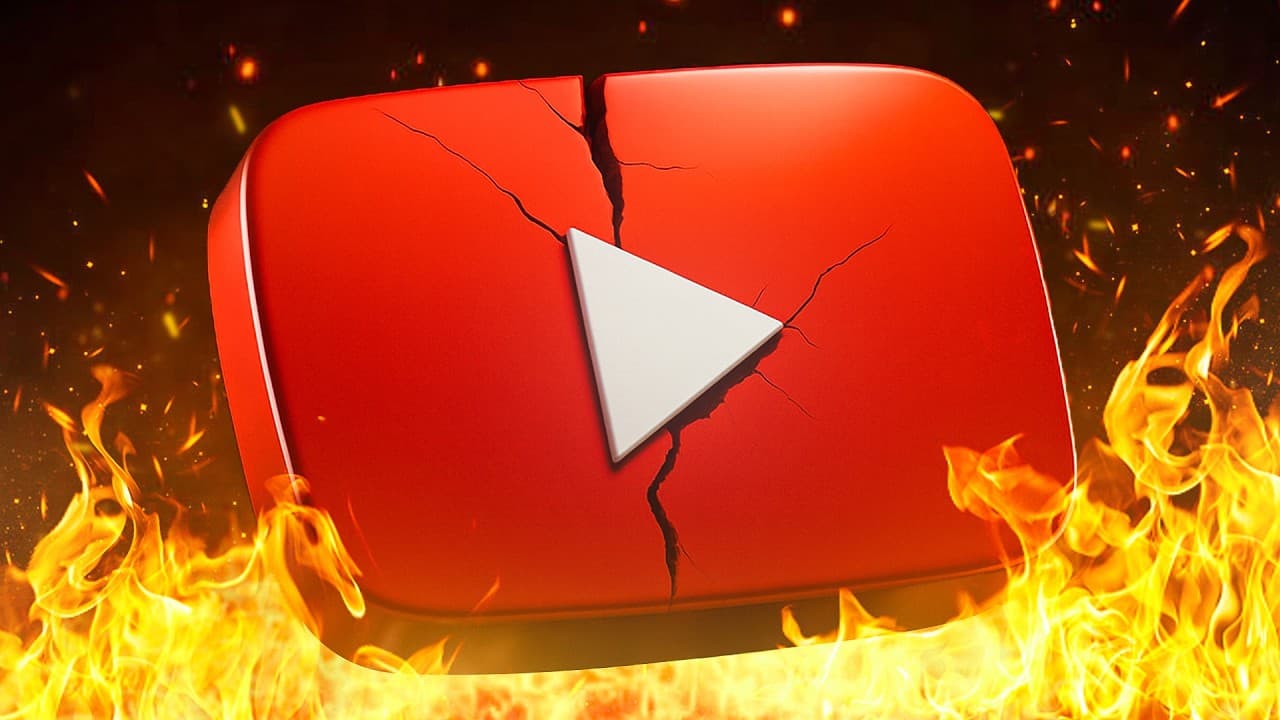
YouTube's journey from a failed dating site to a global video-sharing platform is a remarkable story of adaptation and innovation. Initially struggling with financial sustainability and legal challenges, YouTube leveraged timing, technology, and community engagement to become the second most visited site globally. Key developments like the YouTube Partner Program and Google's acquisition were pivotal in its evolution.
Transcript
“YouTube”, “YouTube” , “YouTube” How did YouTube go from a failed dating site on the edge of bankruptcy - to the second most viewed website in the world, worth hundreds of billions of dollars? YouTube’s rise is a wild underdog success story. But this video is also a journey through the different eras of YouTube, from the rise of the creator e... Read More
Key Insights
- YouTube started as a video dating site called 'Tune in, Hook Up' but struggled to attract users.
- The platform pivoted to a general video-sharing site, capitalizing on viral content and social media integration.
- Flash Player technology allowed YouTube to overcome video format and bandwidth challenges, making it more accessible.
- Google acquired YouTube in 2006 for $1.65 billion, providing resources to tackle copyright issues and monetize content.
- The YouTube Partner Program, launched in 2007, enabled creators to earn revenue, sparking a surge in content creation.
- YouTube faced significant challenges with copyright infringement and advertiser concerns, leading to stricter content policies.
- The platform's algorithm changes prioritized watch time over views, influencing content length and style.
- Despite controversies and competition from platforms like TikTok, YouTube remains a dominant force in online video.
Install to Summarize YouTube Videos and Get Transcripts
Explore YouTube Video Summarizer or Get YouTube Transcript Extractor
Questions & Answers
Q: How did YouTube transition from a dating site to a video-sharing platform?
YouTube initially launched as a video dating site called 'Tune in, Hook Up' but struggled to attract users. The founders noticed people uploading various videos unrelated to dating, such as snowboarding fails and cat videos. Realizing the potential for a broader video-sharing platform, they pivoted to accommodate all types of content, leading to a surge in user engagement and viral videos.
Q: What role did Flash Player play in YouTube's success?
Flash Player was crucial in YouTube's early success by converting various video formats into a single format, making videos accessible across different devices and browsers. It also compressed files and enabled streaming, allowing videos to load quickly without requiring downloads. This technological advantage made YouTube more user-friendly compared to other video-sharing sites at the time.
Q: How did Google's acquisition impact YouTube?
Google's acquisition of YouTube in 2006 for $1.65 billion provided the platform with the financial resources and technical expertise needed to address its challenges. Google helped develop tools like ContentID to manage copyright issues and implemented a robust advertising system, enabling YouTube to monetize content effectively. This support was pivotal in YouTube's growth and sustainability.
Q: What is the YouTube Partner Program, and why is it significant?
The YouTube Partner Program, launched in 2007, allowed creators to earn a share of the revenue from ads displayed on their videos. This initiative incentivized content creation by providing a financial reward, leading to a surge in diverse and innovative content. It marked a shift in how creators approached YouTube, turning it into a viable career path and fostering the growth of the creator economy.
Q: How did YouTube address the issue of copyright infringement?
YouTube addressed copyright infringement by developing ContentID, a tool that allows copyright holders to upload their content to a database. YouTube's system then scans videos for matches, enabling copyright holders to either remove infringing content or monetize it. This system helped mitigate legal challenges and allowed YouTube to manage copyrighted material more effectively.
Q: What was the impact of the 'Adpocalypse' on YouTube and its creators?
The 'Adpocalypse' refers to a series of events where advertisers pulled their ads from YouTube due to concerns over their placement alongside inappropriate content. This led to a significant drop in ad revenue for creators, as YouTube implemented stricter content policies and algorithmic sweeps to ensure advertiser-friendly content. Many creators faced demonetization, impacting their livelihoods and content strategies.
Q: How has YouTube adapted to competition from platforms like TikTok?
YouTube responded to competition from TikTok by launching YouTube Shorts, a feature for short-form video content. This initiative aimed to capture the growing audience for brief, engaging videos popularized by TikTok. Additionally, YouTube has invested in live streaming and expanding its presence on televisions, positioning itself as a versatile platform capable of competing across various content formats.
Q: What is the current state of YouTube in the digital content landscape?
YouTube remains a dominant force in the digital content landscape, with over 2.5 billion active users and a diverse range of content. It continues to innovate with features like Shorts and live streaming, while also addressing challenges related to content moderation and monetization. YouTube's ability to adapt to changing user preferences and technological advancements has solidified its position as a leader in online video.
Summary & Key Takeaways
-
YouTube's transformation from a dating site to a video-sharing platform involved strategic pivots and technological innovations. The adoption of Flash Player and a user-friendly interface facilitated its growth, while viral content and social media integration drove traffic. Google's acquisition provided the necessary resources to address legal and financial challenges.
-
The introduction of the YouTube Partner Program revolutionized content creation by allowing creators to earn revenue, leading to diverse and innovative content formats. However, the platform faced challenges with copyright issues and advertiser concerns, prompting changes in its algorithm and content policies.
-
Despite facing controversies, competition, and evolving user expectations, YouTube continues to thrive as a global video platform. Its ability to adapt and innovate has solidified its position as a leader in the digital content landscape, with initiatives like YouTube Shorts and live streaming expanding its reach.
-
(Content reviewed on 2026-08-27.)
Read in Other Languages (beta)
Share This Summary 📚
Summarize YouTube Videos and Get Video Transcripts with 1-Click
Try YouTube Summary with ChatGPT & Claude or YouTube Transcript Generator
Explore More Summaries from MagnatesMedia 📚
Summarize YouTube Videos and Get Video Transcripts with 1-Click
Try YouTube Summary with ChatGPT & Claude or YouTube Transcript Generator