How to Write Corporate Messages People Trust
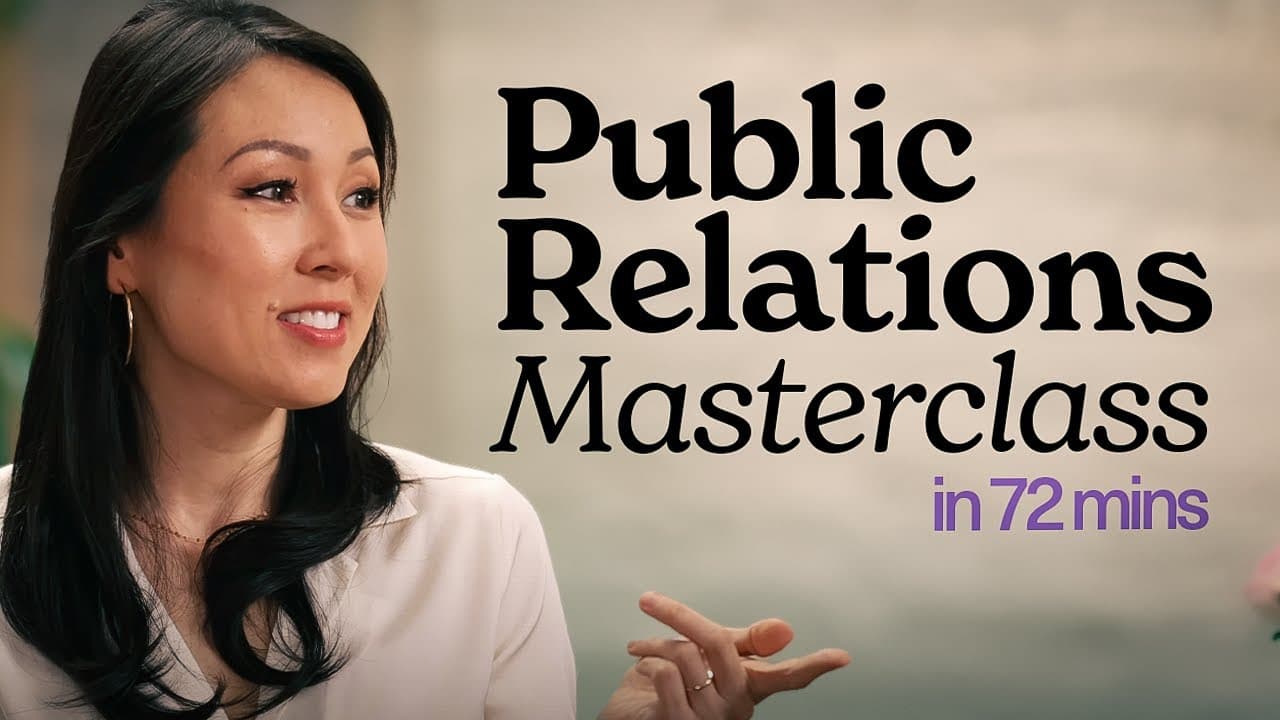
TL;DR
Write corporate communications in plain, human language, prepare the message structure before a crisis, and give trusted communicators clearly defined authority. Strong messages leave readers with one dominant feeling, one central idea, and one desired action. Trust grows when a company communicates with honesty, vulnerability, and a personality that feels culturally familiar to its customers.
Transcript
So why in the world does corporate speak exist? It drives me crazy, and you have all these companies. Without personality, people don't talk like that. What is going on behind corporate speak? It's risk minimization. If you are not putting too much personality, if you're not saying anything spiky, if everything is just really well-rounded and kind... Read More
Key Insights
- Corporate speak is a form of risk minimization because restrained, well-rounded language is less likely to create trouble. The cost is that companies also lose opportunities to attract attention, express conviction, and build a recognizable relationship with the people they serve.
- Corporate language is reinforced by collective habit because employees enter established workplaces and imitate how they believe professionals are supposed to sound. Familiar institutional phrases become cognitive shortcuts that can be copied and assembled more easily than writing an original message from the beginning.
- Reading writing aloud is an effective test for unnatural language because words that would never appear in normal conversation often feel uncomfortable to say. The same practice also exposes problems in cadence, rhythm, and sentence construction, making it useful for improving writing generally.
- Crisis preparation is most effective before the fog of war because organizations already know their audiences, priorities, values, and shared concerns. Writers can prepare these weight-bearing pillars in advance, then fill in the event-specific details, verbs, and nouns when the actual situation becomes clear.
- Clear authority enables communications teams to move quickly because people know which decisions fall within their discretion and which high-stakes matters require escalation. A shared doctrine can reduce approvals and micromanagement by aligning trusted employees around goals, audiences, and the organization's intended direction.
- A focused message should create one dominant emotion, one dominant idea, and one desired action. People are simple enough that concentrating on one or two emotions is usually stronger than attempting many, while three emotions represent the practical upper limit described in the discussion.
- A company's personality becomes credible when it reflects its customers and employs people from the community it serves. Cultural familiarity helps customers feel that the organization is on their side, supporting affinity, recognition, and liking through communication that resembles the community's own voice.
- Strategic retaliation can reshape incentives when unfair behavior becomes repeated or particularly egregious. The described approach tolerates some incidents before responding, which helps prevent immediate emotional reactions while signaling that recurring cheap shots, cruelty, dishonesty, or unfairness will not be accepted indefinitely.
Install to Summarize YouTube Videos and Get Transcripts
Explore YouTube Video Summarizer or Get YouTube Transcript Extractor
Questions & Answers
Q: Why does corporate speak exist?
Corporate speak exists largely because organizations try to minimize risk. Language without strong personality or sharp positions is less likely to cause immediate trouble, while familiar phrases save effort and feel institutionally acceptable. It also survives through collective habit, as employees imitate established professional language. The resulting messages may be safer, but they often sound robotic and sacrifice opportunities to build attention, affinity, and trust.
Q: How can writers remove corporate language from a draft?
Writers can remove corporate language by reading the draft aloud and noticing which phrases feel unnatural or embarrassing to say. If a sentence could not be spoken normally to a family member, it probably needs simpler wording. Speaking the text also reveals cadence and rhythm problems. Replacing copied institutional formulas with words such as “people” and ordinary conversational phrasing makes the message sound more human.
Q: How should companies prepare statements before a crisis?
Companies should prepare the stable parts of a statement while conditions are calm. They can identify the audience, organizational priorities, customer concerns, values, goals, and the central message before knowing every event-specific fact. These elements create the statement's weight-bearing structure. When a crisis or announcement arrives, writers can insert the relevant details and adjust a limited number of verbs and nouns instead of starting from nothing.
Q: How can communications teams publish important messages faster?
Communications teams can move faster by defining authority and escalation rules in advance. Team members should know which decisions they can make independently and which high-stakes situations require consultation with specific people. A shared doctrine can clarify audiences, goals, and direction, reducing the need for micromanagement. Keeping the approval group small and predetermined allows the team to review necessary issues quickly and publish without avoidable confusion.
Q: How many emotions should a corporate message convey?
A corporate message should generally focus on one dominant emotion, with two remaining manageable and three treated as the upper limit. The communication is successful when readers leave with a clear feeling, a central message they understand, and an urge to take the requested action. Trying to generate too many emotional responses can dilute the main purpose and make the message less memorable or actionable.
Q: How can a company develop a relatable personality?
A company can develop a relatable personality by becoming an extension of the customers it serves. Hiring people from that community brings customer culture and experience inside the organization, making its behavior and language feel familiar. When customers recognize shared cultural traits, they are more likely to feel that the company is on their side. That familiarity supports affinity and liking, which communications teams are expected to build.
Q: Why does personal communication build more trust than corporate communication?
Personal communication can build more trust because people may distrust corporations and institutions but still respond to an identifiable person. A communicator who shows personality, vulnerability, honesty, and personal conviction has a better chance of asking an audience to take their word seriously. An impersonal corporate entity cannot create the same relationship. Exposing some genuine personality therefore gives the organization a human source of accountability and trust.
Q: When should a company respond to repeated unfair criticism?
A company may respond when criticism becomes particularly egregious or develops into a recurring pattern of cheap shots, cruelty, dishonesty, or unfairness. The described strategy does not answer every incident immediately because that would demand too much time and emotional energy. Waiting through some offenses also reduces the chance of reacting purely from emotion. An occasional firm response can change future incentives by showing that repeated misconduct has consequences.
Summary & Key Takeaways
-
Corporate speak persists because companies often prioritize avoiding trouble over pursuing opportunities. Familiar phrases feel safer and require less effort than original language, but they also make organizations sound robotic. Reading drafts aloud reveals unnatural wording, improves sentence rhythm, and helps writers replace institutional formulas with language that real people would use.
-
Effective crisis communication begins before the crisis. Teams can identify their audience, priorities, values, approval thresholds, and decision makers while conditions are calm. These elements form the message's weight-bearing structure, allowing writers to add event-specific details quickly when pressure rises and reducing delays caused by unclear authority or excessive approvals.
-
A company builds affinity when its personality reflects the community it serves. Hiring people from the customer base can make its culture and communication feel familiar. Because people may distrust corporations and institutions, visible human personality, vulnerability, and honesty give communicators a better chance of earning trust and defending the organization when necessary.
Read in Other Languages (beta)
Share This Summary 📚
Summarize YouTube Videos and Get Video Transcripts with 1-Click
Try YouTube Summary with ChatGPT & Claude or YouTube Transcript Generator
Explore More Summaries from David Perell 📚






Summarize YouTube Videos and Get Video Transcripts with 1-Click
Try YouTube Summary with ChatGPT & Claude or YouTube Transcript Generator