How Did Russia Withstand US and EU Sanctions? An Economic Case Study
TL;DR
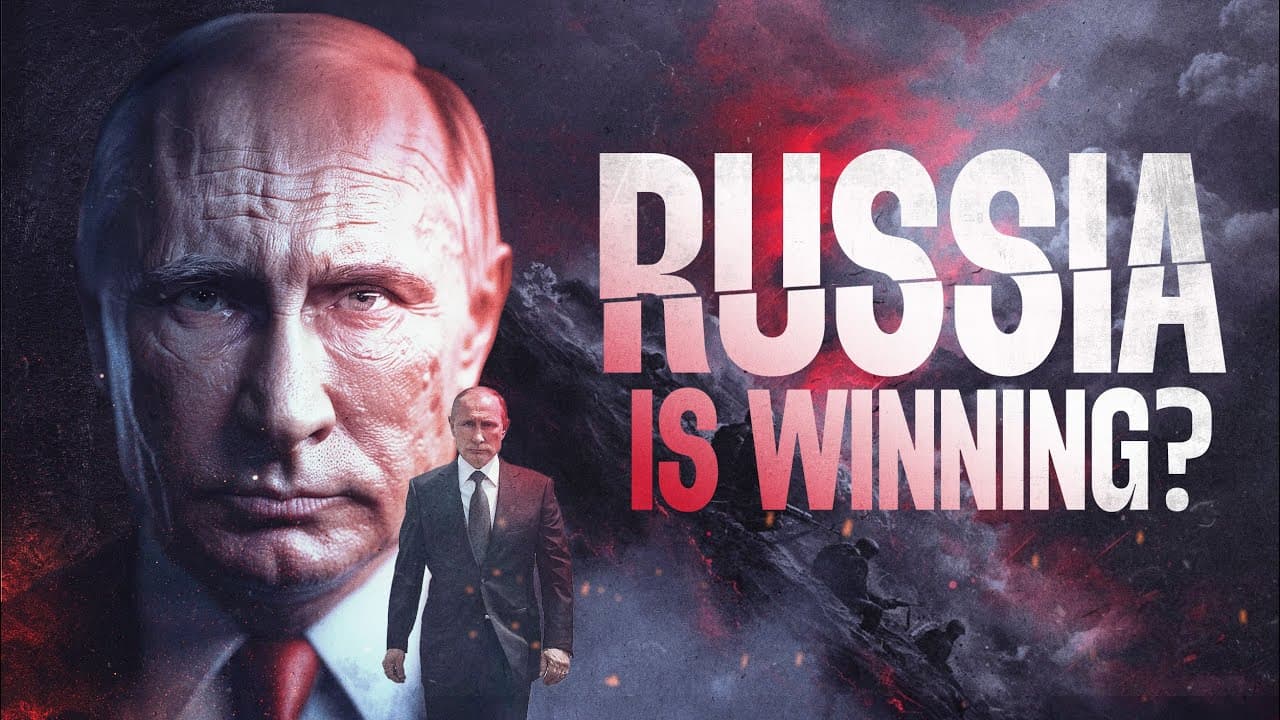
Russia’s economy withstood US and EU sanctions because market-driven businesses found alternative suppliers, especially in China, while wartime spending boosted production, employment, incomes, and GDP. War-related industrial output rose 35% in 2023, but civilian output remained flat, showing that the resilience was heavily dependent on military activity rather than broad prosperity. Read on to understand the trade shift, employment effects, and risks behind Russia’s headline growth.
Transcript
hi everybody it's been 2 years since Russia invaded Ukraine Ukraine is under attack by land sea and air the largest invasion of a neighboring country in Europe since World War II the war has brought Darkness to Ukraine ongoing war in Eastern Europe has severely impacted the world order and when this war started many economists in the world predicte... Read More
Key Insights
- Russia's economic resilience is partly attributed to market-driven adaptation, because private industries responded to sanctions by locating alternative suppliers instead of waiting for centralized state decisions. This flexibility challenged the assumption that Russia functioned mainly as a rigid state-run economy.
- Russia's import network changed more than its total import volume, with Chinese suppliers replacing much of the trade previously conducted with European Union and G7 countries. The transcript says imports returned near their 2019 level despite a major collapse in traditional supply relationships.
- China is presented as Russia's most important replacement supplier, contributing more than $7 billion of the imports shown in the cited comparison. European Union imports fell below $3 billion, demonstrating how quickly Russia redirected procurement toward a willing commercial partner.
- Russia's GDP growth is heavily influenced by military production, because GDP counts increased production and consumption of both civilian and military goods. Rising defense output can therefore strengthen headline growth figures even when ordinary industries and household-oriented production are not expanding.
- War-related industrial output in Russia increased by 35% in 2023, while civilian output remained flat. This contrast indicates that measured economic expansion was concentrated in military activity rather than distributed normally across the wider economy.
- Russia's defense sector created 520,000 new jobs, and around 3.5 million Russians were described as working in the military sector. Higher defense wages attracted workers from other occupations, including positions associated with ordinary companies and professional services.
- Russia's fiscal position was described as manageable, alongside rising average income and record-low unemployment. These indicators help explain why sanctions did not immediately produce the predicted collapse or a clearly visible deterioration in domestic living standards.
- Russia's war economy carries a labor-allocation risk, because better-paying defense employers draw workers away from civilian businesses. The transcript connects this pattern to the possibility of Dutch disease, where one expanding sector weakens other parts of the economy by absorbing workers and resources.
Install to Summarize YouTube Videos and Get Transcripts
Explore YouTube Video Summarizer or Get YouTube Transcript Extractor
Questions & Answers
Q: How did Russia’s economy withstand US and EU sanctions?
Russian businesses adapted their supply chains and found new trading partners after traditional imports collapsed. Chinese supplies replaced many goods previously sourced from the European Union and G7, helping total imports return near their 2019 position. Wartime spending also increased industrial output, employment, incomes, and measured GDP.
Q: How did China help Russia withstand Western sanctions?
China became Russia’s most important replacement supplier after roughly half of its imports from the European Union and G7 collapsed. The cited comparison shows more than $7 billion coming from China and less than $3 billion from the European Union. This redirection helped restore access to pharmaceuticals, textiles, chemicals, plastics, and other materials.
Q: Why did the West underestimate Russia’s ability to adapt?
The account says Western policymakers mistakenly treated Russia as a rigid, state-run economy. Russian market participants instead reacted quickly to disrupted trade by locating alternative suppliers rather than waiting for centralized decisions. That flexibility helped Russia adjust to sanctions.
Q: Did Russia’s imports recover after sanctions?
Total Russian imports returned near their 2019 position, although their sources changed substantially. Imports from the European Union and G7 fell sharply, while Chinese suppliers filled much of the gap. Russia therefore changed its import network more than its overall import volume.
Q: Is Russia’s economic growth based on broad prosperity?
The growth described is not broad-based civilian expansion. War-related industrial output increased by 35% in 2023, while civilian output remained flat. Because military goods count toward GDP, defense production strengthened headline growth without comparable growth in ordinary industries.
Q: What employment effects did Russia’s war economy create?
Defense production created 520,000 new jobs, and around 3.5 million Russians were described as working in the military sector. Comparatively high defense wages attracted workers from ordinary companies and professional occupations. This supported employment and incomes while reducing labor available to civilian businesses.
Q: What economic risks come from Russia’s defense boom?
Higher-paying defense employers can draw workers and resources away from civilian companies. Those businesses may face labor shortages or higher costs as they compete to retain employees. The account compares this imbalance to Dutch disease, in which one expanding sector weakens other parts of the economy.
Q: What indicators suggested that Russia remained economically resilient?
The cited indicators include rising average income, record-low unemployment, a manageable budget deficit, continued export income, and GDP growth. The IMF growth forecast was described as being revised from 1.5% to 2.6%. These figures must be viewed alongside flat civilian output and growth concentrated in military production.
Summary & Key Takeaways
-
Russia avoided the predicted economic collapse despite two years of war and extensive sanctions. The account attributes this resilience partly to a mistaken Western assumption that Russia operated like a rigid state-run economy. Instead, Russian market participants adjusted quickly, replacing disrupted suppliers and redirecting trade toward countries that continued doing business with them.
-
China became a crucial replacement supplier after roughly half of Russia's imports from the European Union and G7 collapsed. The transcript says total Russian imports returned near their 2019 position, but their composition changed significantly. More than $7 billion came from China, while less than $3 billion came from the European Union.
-
Russia's reported growth was also powered by a war economy rather than broad civilian expansion. War-related industrial output increased by 35% in 2023 while civilian output stayed flat. Defense production created 520,000 new jobs and offered comparatively high wages, but this shift could drain workers from other industries and create economic vulnerabilities.
Read in Other Languages (beta)
Share This Summary 📚
Summarize YouTube Videos and Get Video Transcripts with 1-Click
Try YouTube Summary with ChatGPT & Claude or YouTube Transcript Generator
Explore More Summaries from Think School 📚




Summarize YouTube Videos and Get Video Transcripts with 1-Click
Try YouTube Summary with ChatGPT & Claude or YouTube Transcript Generator