How to widen your window of tolerance for trauma
TL;DR
Widen the window of tolerance to stay regulated while processing trauma. The video outlines the three nervous system states, two common pitfalls of discussing trauma, and practical skills to increase resilience so you can tolerate distress and work through painful memories without flooding or dissociation.
Transcript
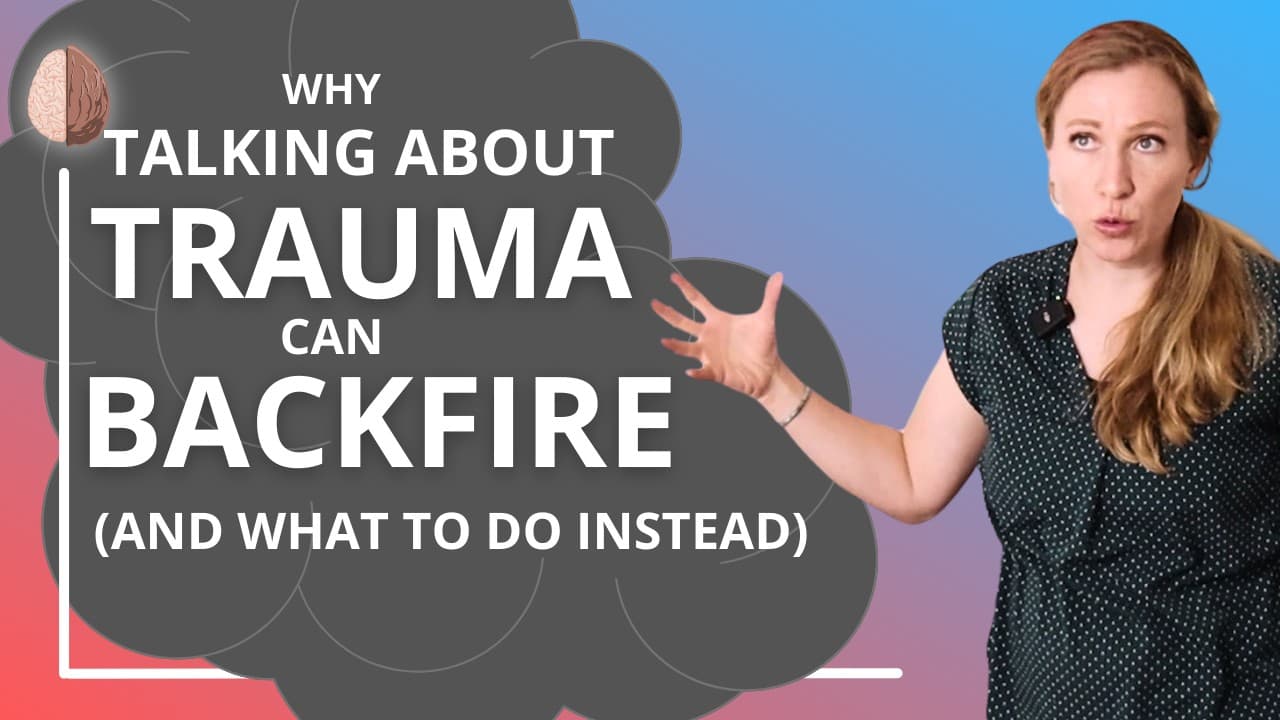
Talking about trauma can make things worse. I'm a therapist, and I know how valuable it can be to talk about trauma. But when you don't understand your window of tolerance, talking about trauma can backfire. So it's super common for people to get stuck in a trauma state but literally not even realize it. And that's why understanding the window ... Read More
Key Insights
- The window of tolerance is your personal capacity to tolerate distress and handle big emotions
- There are three nervous system states that affect trauma processing: hyperarousal, hypoarousal, and regulation within the window
- Talking about trauma can backfire if you lack the right skills or regulation tools
- A common pitfall is avoiding thinking about traumatic experiences, which maintains reactivity
- Another pitfall is rushing through trauma work, which can trigger and reinforce trauma responses
- Staying within the window allows you to process trauma and move forward rather than get overwhelmed
- Hyperarousal involves threats, racing thoughts, and irritability that disrupt processing
- Hypoarousal can lead to numbness, detachment, and burnout, hindering engagement with emotions
Install to Summarize YouTube Videos and Get Transcripts
Explore YouTube Video Summarizer or Get YouTube Transcript Extractor
Questions & Answers
Q: What is the window of tolerance and why is it important for trauma work?
The window of tolerance is your personal capacity to tolerate distress and handle big emotions. It describes the range in which you can be present and capable of processing intense memories without becoming overwhelmed. When you stay within this window, you can talk about trauma, process it, and move forward rather than getting flooded or dissociated. This concept helps therapists and clients regulate arousal, maintain cognitive clarity, and progressively resolve traumatic experiences by staying connected to the present moment.
Q: What are the three nervous system states discussed in the video?
The video describes three states: hyperarousal, where you feel threatened or anxious with heightened sensory sensitivity and a racing body or thoughts; hypoarousal, where you feel numb, detached, or exhausted and may dissociate or shut down; and a regulated state within the window of tolerance where you can stay grounded, present, and flexible enough to work through emotions and memories.
Q: What are the two common pitfalls of talking about trauma?
One pitfall is avoiding thinking about a traumatic experience, which prevents processing and can keep the trauma active in the nervous system. The second pitfall is trying to rush through trauma work, which can trigger activation and reinforce the trauma response. Both pitfalls undermine progress and increase reactivity if not paired with proper regulation skills.
Q: How can understanding the window of tolerance help in daily functioning?
Understanding the window of tolerance helps you notice when you are getting activated and gives you a framework to regulate. By recognizing when you are in hyperarousal or hypoarousal, you can apply grounding and regulation strategies to return to a balanced state. This supports better decision making, improved emotional awareness, and greater capacity to endure stress and work through feelings over time.
Q: What is hyperarousal and how does it affect trauma processing?
Hyperarousal is a state of heightened threat perception with physical and cognitive symptoms like a racing heart, racing thoughts, irritability, and hypervigilance. It can make it hard to think clearly and disrupts processing of traumatic memories. Chronic hyperarousal can be harmful and deplete energy, making it difficult to engage in therapeutic work or daily activities.
Q: What signs indicate hypoarousal, and why is it challenging for trauma work?
Hypoarousal is a shutdown or detach state where you feel numb, foggy, detached, or exhausted. It can mask distress while still impairing motivation and engagement with emotions. For trauma work, hypoarousal can prevent access to stored memories or feelings necessary for processing, leading to burnout if not managed with regulation and gradual exposure techniques.
Q: What practical skills are suggested to widen the window of tolerance?
The video proposes practical skills to widen the window of tolerance include understanding one’s nervous system states, recognizing triggers, and using regulation strategies to stay present. By maintaining regulation during exposure to thoughts or memories, you can tolerate distress, process feelings, and gradually expand your capacity to experience a wider range of emotions without flooding or dissociation.
Q: Why does talking about trauma require a certain set of skills, according to the video?
Talking about trauma requires skills because recalling trauma can trigger fight, flight, or freeze responses, shifting you out of the window of tolerance. Without regulation, memory recall can feel dangerous in the present moment and hinder cognitive processing. Proper skills help you maintain safety, stay present, and allow emotional and cognitive processing to occur, leading to healthier trauma resolution over time.
Summary & Key Takeaways
-
The video explains that window of tolerance is your personal capacity to tolerate distress and handle big emotions. It emphasizes that talking about trauma can backfire without the right skills. It also introduces three nervous system states and how they influence processing and regulation.
-
The content highlights two common pitfalls: avoiding trauma discussion and rushing to complete it. By understanding triggers and regulation skills, viewers can process trauma more effectively and reduce reactivity.
-
With practical strategies, the video teaches how to widen the window of tolerance, stay present, and work through memories in a regulated way, potentially resolving trauma over time and increasing overall emotional resilience.
Read in Other Languages (beta)
Share This Summary 📚
Summarize YouTube Videos and Get Video Transcripts with 1-Click
Try YouTube Summary with ChatGPT & Claude or YouTube Transcript Generator
Explore More Summaries from Therapy in a Nutshell 📚






Summarize YouTube Videos and Get Video Transcripts with 1-Click
Try YouTube Summary with ChatGPT & Claude or YouTube Transcript Generator