How to use storytelling to boost landing page conversions
TL;DR
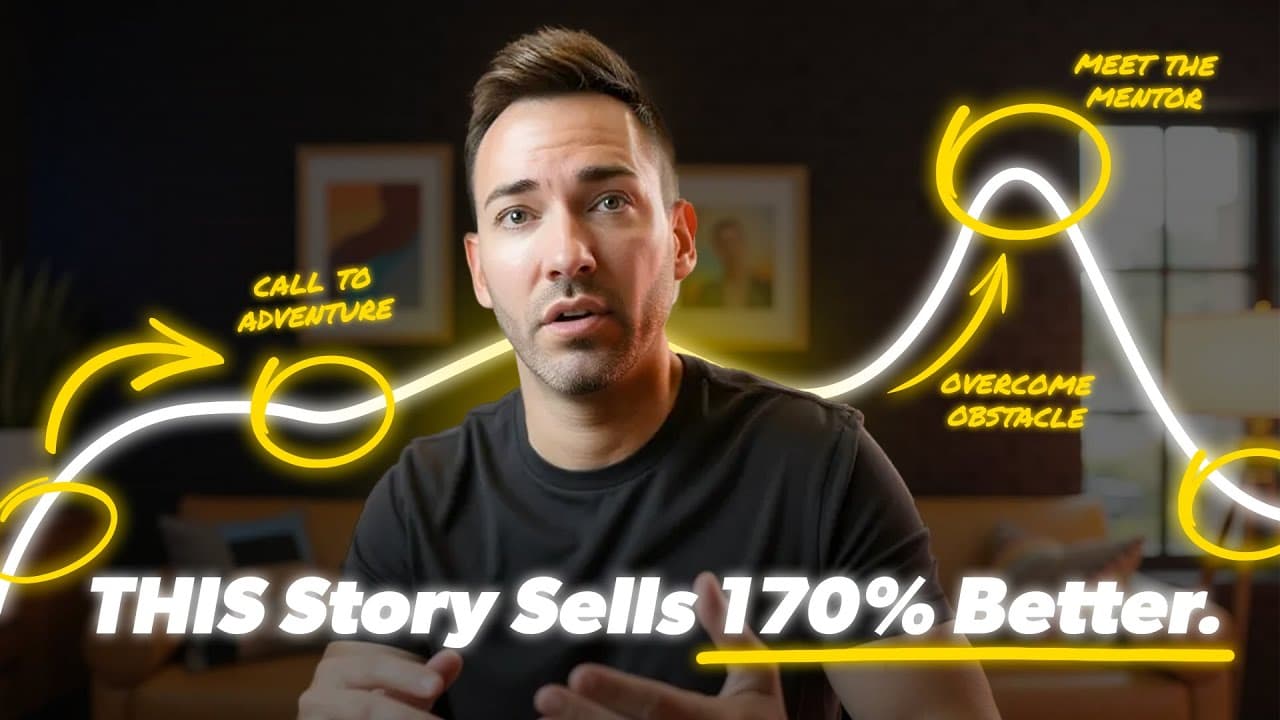
Storytelling on landing pages should focus on the customer, not the company. Use three proven frameworks PAS, before to after bridge, and the hero journey to drive emotional engagement and higher conversions. Implement real examples and keep the story in second person to show transformation.
Transcript
Have you ever noticed there's one piece of marketing advice that everyone keeps repeating? Storytelling. Storytelling is a powerful tool to leverage storytelling to sell more. Sounds brilliant until you actually try to use it on your landing page. Suddenly, you're wondering, tell a story about what? My company history, a customer case study. The co... Read More
Key Insights
- Storytelling on landing pages works by making the message about the customer, using second person to create direct engagement and relatability.
- The key to effective storytelling is transforming the user’s experience into a journey rather than a list of features or background about the company.
- PAS, or pain, agitation, solution, is presented as a simple but powerful framework for structuring landing page copy.
- The before to after bridge framework contrasts life before the solution with life after, showing a clear path the user can take with your service.
- The hero journey framework places the customer as the hero, guiding them through stages from setup to transformation across the page.
- Avoid third person narratives or company origin stories that do not demonstrate customer relevance for better engagement.
- Stories should include specific moments that make the user experience feel real, like common daily frustrations and turning points.
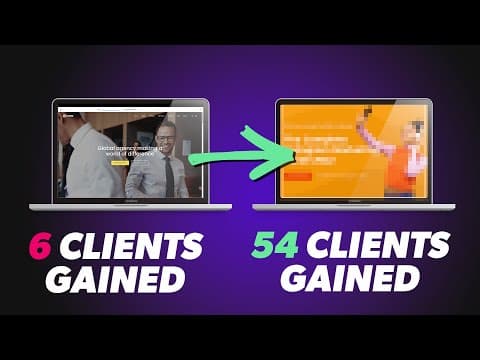
- Concrete results are shown through examples of increased conversions and signups when storytelling is implemented correctly on landing pages.
- More videos from this channel:
- More from this channel: Wes McDowell
Install to Summarize YouTube Videos and Get Transcripts
Explore YouTube Video Summarizer or Get YouTube Transcript Extractor
Questions & Answers
Q: What is the main benefit of using storytelling on a landing page?
storytelling centers on the customer and their transformation, which increases emotional engagement and helps users imagine themselves using the service. This shift from feature listing to user-focused storytelling improves clarity and can lead to higher conversions and trust.
Q: What is PAS and how is it used on landing pages?
PAS stands for pain, agitation, solution. Start by naming the customer pain, then agitate it by describing how it affects their life, and finally present your solution as the credible answer. This structure makes the problem feel real and the solution compelling.
Q: How does the before to after bridge work in practice?
The before to after bridge shows a stark contrast between the user’s current situation and the desired outcome after using the service. It briefly paints the current struggles, introduces the service as the bridge, and then highlights the improved future state.
Q: What is the hero journey framework and when should it be used?
The hero journey frames the customer as the hero and the service as the mentor guiding them through stages of struggle to transformation. It works well for longer landing pages that need a narrative arc and consistent progression.
Q: Why should the story be told in second person on a landing page?
Using second person directly addresses the reader as you, increasing relatability and immersion. It helps the visitor feel seen and understood, which strengthens emotional connection and makes the transformation feel achievable.
Q: What should be avoided when storytelling on landing pages?
Avoid telling company origin stories, generic narratives about the service, or discussing pricing and features in isolation. These can feel self-centered and fail to demonstrate customer relevance, reducing engagement and conversion potential.
Q: Can you give an example of a strong storytelling moment on a landing page?
A strong moment focuses on a specific pain point and a turning point, such as describing a day in the life of a customer who struggles with a problem and then shows how the service changes that day. This level of detail makes the story memorable.
Q: What evidence supports the effectiveness of storytelling on landing pages?
The discussion cites real results from applying storytelling frameworks on landing pages, including increased conversions and signups. By using structured storytelling, pages become more persuasive and memorable, improving overall performance.
Summary & Key Takeaways
-
Storytelling on landing pages is powerful when it centers on the customer and their transformation, not the company history or features.
-
Three frameworks are highlighted as most effective: PAS for pain, agitation, solution; before to after bridge for clear transformation; and the hero journey for a longer narrative across the page.
-
Real-world examples and a focus on emotional triggers show how to implement these frameworks to improve conversions and engagement on service business landing pages.
Read in Other Languages (beta)
Share This Summary 📚
Summarize YouTube Videos and Get Video Transcripts with 1-Click
Try YouTube Summary with ChatGPT & Claude or YouTube Transcript Generator
Explore More Summaries from Wes McDowell 📚
Summarize YouTube Videos and Get Video Transcripts with 1-Click
Try YouTube Summary with ChatGPT & Claude or YouTube Transcript Generator