What is polyvagal theory for trauma recovery?
TL;DR
Polyvagal theory explains safety as a biologically driven need for connection, with three threat responses: social engagement, fight or flight, and shutdown. The discussion shares practical somatic tools to restore safety, such as co regulation, breath, posture, and creating safe spaces, while highlighting neuroplasticity and CPTSD considerations.
Transcript
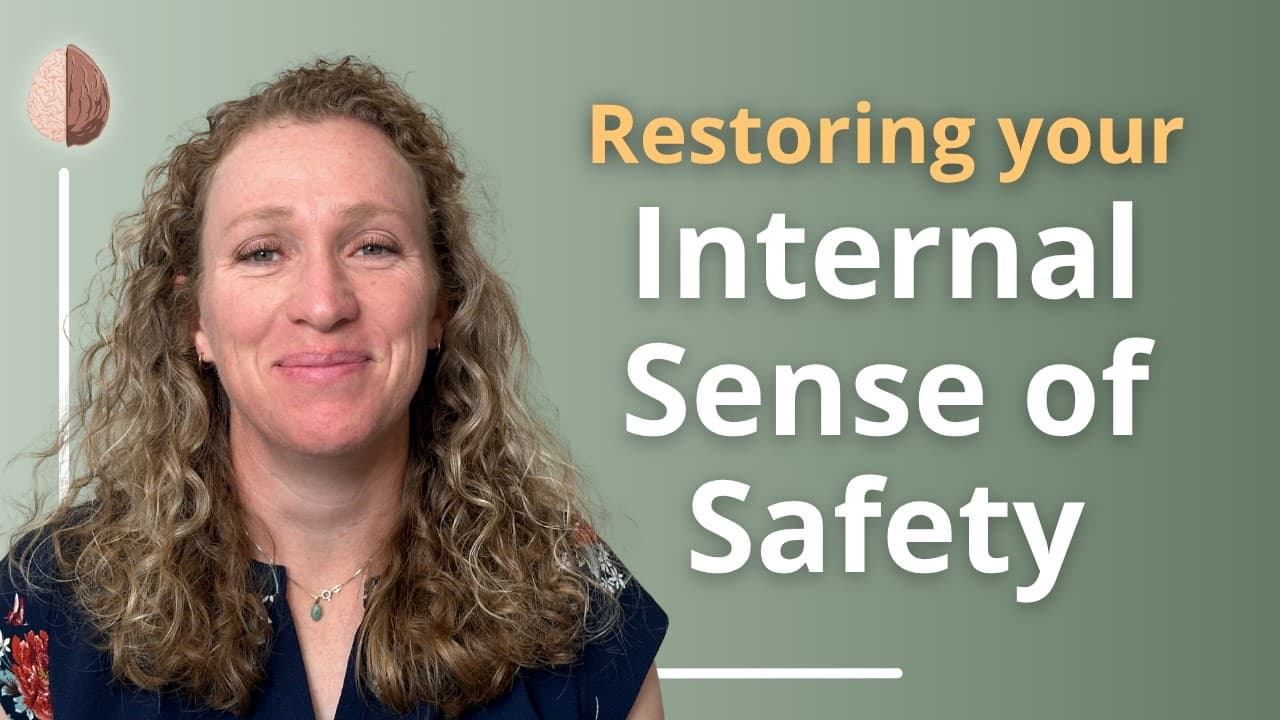
Today, we are going to be talking about how to restore your sense of safety when you've experienced trauma or chronic stress. And I am just so excited to have such an amazing guest today. It's Dr. Arielle Schwartz. She has like written a book. She's written eight of the books on this topic and she has so much depth of knowledge as far as soma... Read More
Key Insights
- Polyvagal theory describes an upper vagal circuit that prioritizes social connection and safety cues, guiding nervous system regulation through eye contact, voice, and facial cues.
- The nervous system has a tiered threat response: social engagement first, then fight or flight, and finally dorsal vagal shutdown if safety cannot be established.
- CPTSD from developmental trauma can impair early safety wiring, making externally provided cues of safety more crucial for building internal regulation.
- Co regulation with supportive others is a biological imperative that helps restore the sense of safety, especially in early development and ongoing healing.
- Safety cues can come from a loving gaze, soothing voice, and felt sense of being cared for, which activate the social engagement system.
- Practices like breath and posture are used to regulate the nervous system and can contribute to a sense of safety and agency.
- Neuroplasticity allows change over time, so small, consistent steps can open pathways toward healing from trauma.
- Combining narrative therapy with somatic tools supports processing and integration beyond purely cognitive approaches.
Install to Summarize YouTube Videos and Get Transcripts
Explore YouTube Video Summarizer or Get YouTube Transcript Extractor
Questions & Answers
Q: What is the core idea of polyvagal theory in trauma repair?
Polyvagal theory posits that the vagus nerve has multiple circuits that regulate feelings of safety and connection. The upper circuit supports social engagement and cue processing such as eye contact and voice tone, helping the nervous system calm when safety is detected. When safety cannot be established, the body may shift to fight or flight, or to a shutdown response, illustrating a tiered approach to threat and recovery.
Q: How does the social engagement system help someone feel safe?
The social engagement system uses cues like eye contact, vocal tone, and facial expressions to signal safety. This system prompts the nervous system to remain in a regulated state and supports co regulation with others. For someone with trauma history, consistent safe social cues can rebuild internal sensing of safety and reduce hyper arousal.
Q: What are the three levels of threat response described in the video?
The three levels start with the social engagement system, which seeks connection. If connection fails, the body may enter fight or flight to escape or defend. If that is not possible, the dorsal vagal pathway can trigger a shutdown or faint response, a protective immobilization. Understanding this helps guide regulation strategies.
Q: Why is early developmental trauma important in CPTSD discussions?
Early developmental trauma can impair the wiring of the upper vagal circuit that supports safety cues and social connection. This makes it harder to rely on internal regulation and increases dependence on external cues of safety. Recognizing this helps tailor healing approaches toward co regulation and building internal safety through practice.
Q: What role does co regulation play in healing trauma?
Co regulation provides external safety cues that help the nervous system transition toward safety. It supports the social engagement system and can compensate for impaired internal safety wiring from developmental trauma. Regular, supportive interactions help re calibrate the nervous system toward calmer states and foster resilience.
Q: What practical techniques are suggested for restoring safety?
Practical techniques include breathing exercises and posture adjustments to regulate the nervous system, creating safe spaces for healing, and combining narrative work with somatic tools. These approaches focus on reclaiming a sense of safety through body awareness, environmental structure, and supportive dialogue.
Q: How does neuroplasticity relate to trauma recovery in this context?
Neuroplasticity refers to the brain and nervous system’s ability to change with experience. In trauma recovery, sustained small steps—such as regular breathing, safe social interactions, and somatic practices—can gradually rewire responses to safety and threat, enabling lasting improvements in regulation and well being.
Q: Why is safety considered a biological imperative in this framework?
Safety is prioritized because connection and co regulation are essential for survival and development. The nervous system evolved to rely on others for safety cues, especially in infancy. When those cues are missing, trauma can disrupt internal regulation, making external safety signals critical for recovery and growth.
Summary & Key Takeaways
-
The speaker describes polyvagal theory as a map of the vagus nerve with upper and lower circuits that govern social connection and bodily rest, outlining how cues of safety support a resting state.
-
The conversation emphasizes a tiered threat response, starting with social connection, moving to fight or flight, and ending in shutdown when threats persist, to guide regulation strategies.
-
The dialogue offers practical somatic practices like breath work, posture, and safe space creation, framed around CPTSD, co regulation, and the potential for neuroplastic change through consistent small steps.
Read in Other Languages (beta)
Share This Summary 📚
Summarize YouTube Videos and Get Video Transcripts with 1-Click
Try YouTube Summary with ChatGPT & Claude or YouTube Transcript Generator
Explore More Summaries from Therapy in a Nutshell 📚



Summarize YouTube Videos and Get Video Transcripts with 1-Click
Try YouTube Summary with ChatGPT & Claude or YouTube Transcript Generator