How to find boring SaaS ideas that make money
TL;DR
The core idea is to identify a tedious, common problem in a specific niche and build a simple tool to automate it. Validate by offering a minimal viable product at a low price and growing through targeted partnerships, especially with experts in the field. The result can be a sustainable, bootstrapped business with loyal customers.
Transcript
to the outside [music] world. It's really boring. But now we're making about 60K a month. If you look online right now, literally everyone [music] is chasing the same AI app ideas. But what if I told you that building in a [music] boring niche is actually where the real money's at? What started as a side project has since grown into a full-time bus... Read More
Key Insights
- Thomas solved a real pain in IT by automating a boring task with a one click deployment tool.
- The key to success was validating the idea with early users and a low price before scaling.
- Target a niche audience rather than competing in broad markets to reduce competition and increase product fit.
- Credibility in a domain accelerates adoption and trust with potential customers.
- Public demos and content from partners can multiply reach and establish credibility.
- Security and compliance are crucial for enterprise buyers, influencing buying decisions.
- Starting with beta pricing confirms willingness to pay and funds product development.
- A small team with careful cost management can achieve substantial monthly revenue.
- More videos from this channel:
- More from this channel: Starter Story
Install to Summarize YouTube Videos and Get Transcripts
Explore YouTube Video Summarizer or Get YouTube Transcript Extractor
Questions & Answers
Q: A real search query question about the video (e.g. 'How to...', 'What is...', 'Why does...'). Question 1
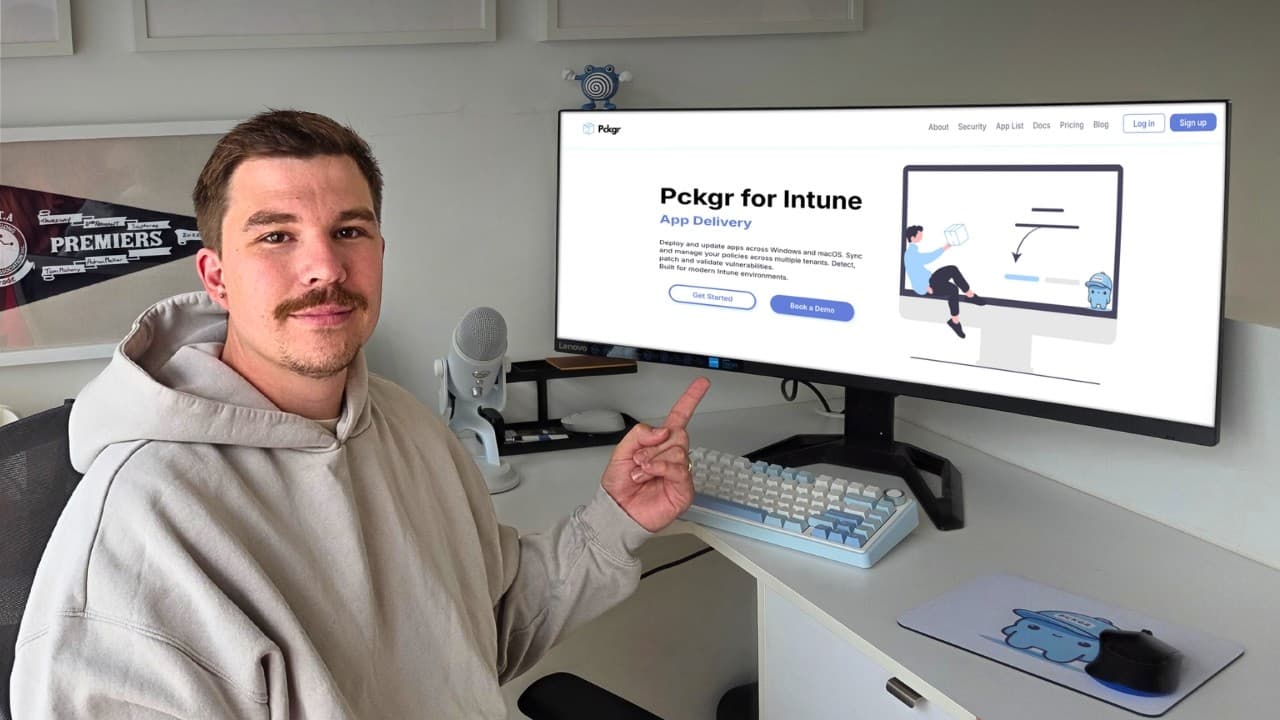
What is Packager and how does it solve a common IT admin problem using a browser based tool to deploy applications to Microsoft Intune with one click, turning a manual packaging task into a scalable process? The product was introduced as a simple solution that targets a specific administrative workflow and expands from there based on user feedback.
Q: Question 2
How did the founder validate the initial idea and what pricing strategy was used in the beta phase? The team launched a free beta to gather feedback, fixed early bugs, and then introduced a low monthly subscription, which allowed them to start earning revenue while refining the product for a targeted audience.
Q: Question 3
What strategy helped Thomas grow the business beyond the initial launch, and how did partnerships contribute to growth? The key approach involved partnering with Microsoft MVPs to create demos for a highly targeted audience, enabling a scalable way to reach prospective customers and build long term marketing value.
Q: Question 4
Why is credibility in a niche important for finding successful boring SaaS ideas, and how should someone start if they already work in a relevant domain? Credibility allows you to understand and articulate real pain points, while starting in a domain you know helps identify actionable improvements that customers will pay for, especially in smaller audiences.
Q: Question 5
What role does a focus on compliance play in attracting enterprise customers, and how was this reflected in the video? Enterprise buyers value security and standards like SOC 2 and ISO certifications, so partnerships and tooling that ease compliance can be a differentiator and reduce buying friction.
Q: Question 6
How did the product reach potential customers and what was the role of content in the growth strategy? The founder used online communities and future proving content to seed awareness, hoping that a future customer would encounter the product through a longer term content strategy that pays off over time.
Q: Question 7
What is the tech stack used for the boring SaaS, and what does this imply about building simple yet effective tools? The frontend uses a low code approach with Bubble IO, while server side tasks run on a cloud platform with automated testing and a lightweight project management workflow, showing that complex outcomes can come from simple architectures.
Q: Question 8
What final advice does the video deliver about starting a boring SaaS business, and how should an aspiring founder apply it? The guidance is to begin building now, leverage credibility, validate with paying customers early, and accept a slower, sustainable growth path focused on freedom rather than aggressive scale.
Summary & Key Takeaways
-
Thomas built a browser based tool to deploy apps via Microsoft Intune, turning a tedious manual process into a one click solution. He grew from a side project to a full time business with paying users and steady revenue. Boring niches can hold high revenue if you solve real pains for a focused audience.
-
The founder leveraged Reddit for early feedback, fixed bugs, and then charged a small monthly fee during beta. Partnering with Microsoft MVPs helped create targeted demos that sustained growth over time. A focus on security and compliance appealed to enterprise customers and set the product apart.
-
The approach emphasizes credibility in a chosen domain, solving real pain points rather than chasing crowded markets. Start with a low cost, early charging strategy, and design for freedom over aggressive scale. Documentation and demos can multiply reach long after initial release.
Read in Other Languages (beta)
Share This Summary 📚
Summarize YouTube Videos and Get Video Transcripts with 1-Click
Try YouTube Summary with ChatGPT & Claude or YouTube Transcript Generator
Explore More Summaries from Starter Story 📚






Summarize YouTube Videos and Get Video Transcripts with 1-Click
Try YouTube Summary with ChatGPT & Claude or YouTube Transcript Generator