How Iran Conflict Risks Global Escalation
TL;DR
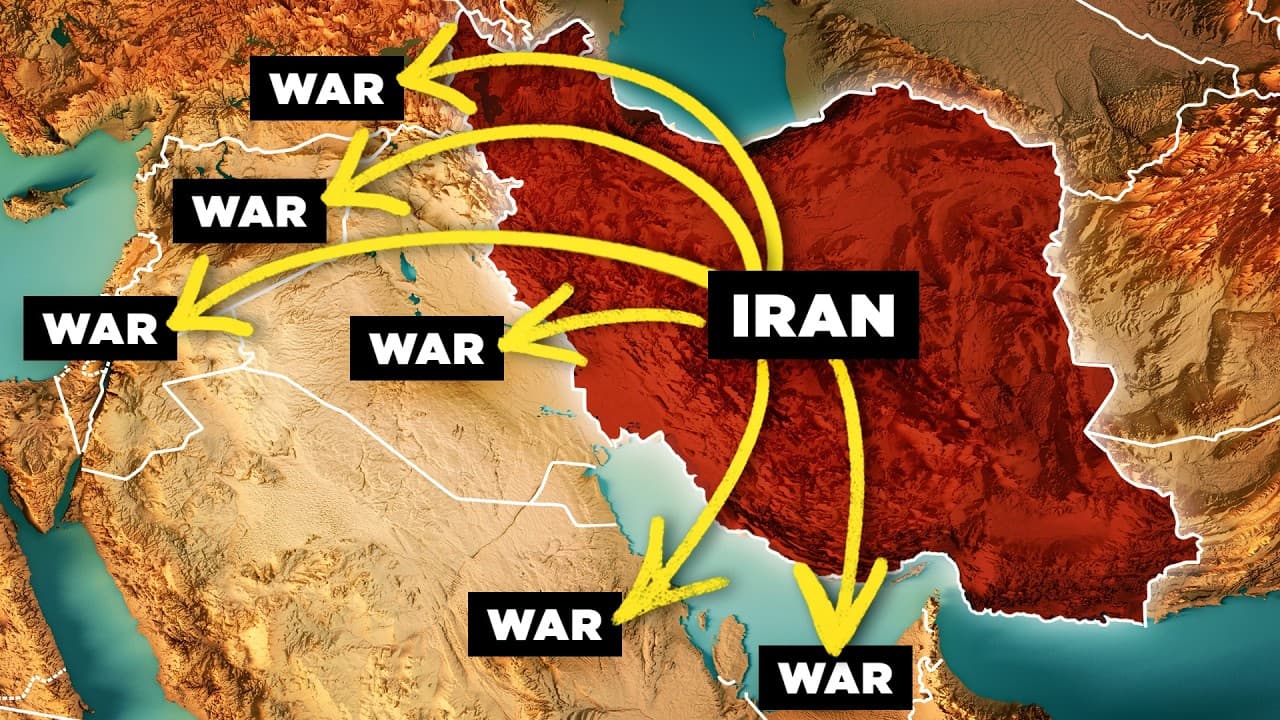
The conflict initiated by the US and Israel against Iran has rapidly escalated, involving multiple countries and threatening global stability. Iran's retaliatory attacks on neighboring countries and critical infrastructure have caused significant economic disruptions. The situation risks further escalation, potentially drawing in more nations and exacerbating global economic challenges.
Transcript
On the final day of February, Donald Trump decided to take the biggest gamble of his political career and launch the biggest war the Middle East has seen in decades that is radically and quickly changing the way our entire world works. After months of buildup, the war was launched in coordination with Israel on the 28th of February that immediately... Read More
Key Insights
- The Iran conflict began with a US-Israeli coordinated attack targeting Iranian leadership.
- Iran has retaliated by launching missiles and drones at neighboring countries, affecting global oil and airline industries.
- The Strait of Hormuz, a critical global oil chokepoint, has been effectively closed, impacting global energy supplies.
- Iran aims to pressure the US by damaging the global economy, hoping to force an end to the conflict.
- The conflict has strained US relations with Gulf States, who face increased risks and economic challenges.
- Potential escalation includes targeting desalination plants, risking humanitarian crises in Gulf countries.
- Iran's strategy involves widespread regional attacks, complicating US and Israeli military objectives.
- The conflict threatens to draw in NATO and European countries, increasing global geopolitical tensions.
Install to Summarize YouTube Videos and Get Transcripts
Explore YouTube Video Summarizer or Get YouTube Transcript Extractor
Questions & Answers
Q: How did the conflict between the US and Iran escalate?
The conflict escalated when the US and Israel launched coordinated attacks on Iranian leadership, including airstrikes targeting the Supreme Leader. Iran retaliated by launching missiles and drones at neighboring countries, impacting critical infrastructure and escalating regional tensions. The closure of the Strait of Hormuz further exacerbated the situation, affecting global energy supplies.
Q: What impact has the Iran conflict had on global oil markets?
The conflict has significantly impacted global oil markets due to the closure of the Strait of Hormuz, a critical maritime chokepoint for oil exports. Iran's retaliatory attacks on regional oil infrastructure have disrupted supply chains, leading to increased oil prices and global economic instability. The situation remains precarious, with potential for further disruptions.
Q: Why is the Strait of Hormuz important in the Iran conflict?
The Strait of Hormuz is a vital maritime passage for global oil exports, with a significant portion of the world's oil and LNG passing through it. Its closure due to the conflict has disrupted global energy supplies, causing economic instability. Control over the strait is a strategic objective for Iran, aiming to pressure the US by impacting global markets.
Q: What are the potential humanitarian risks of the Iran conflict?
The conflict poses significant humanitarian risks, particularly if Iran targets desalination plants in the Gulf States. These plants supply the majority of drinking water in countries like Kuwait and Saudi Arabia. Successful attacks could lead to water shortages, forcing mass evacuations and exacerbating regional instability and humanitarian crises.
Q: How might the Iran conflict affect US relations with Gulf States?
The conflict strains US-Gulf relations as Gulf States face increased risks and economic challenges. While the US seeks to counter Iran's influence, the Gulf States are concerned about the conflict's impact on their stability and economy. The situation may lead to Gulf States reconsidering their alliances and strategies in the region.
Q: What role do regional proxies play in the Iran conflict?
Regional proxies, such as Hezbollah, play a significant role in the conflict by supporting Iran's military objectives. Hezbollah's attacks on Israel have prompted further Israeli military actions, complicating the conflict's dynamics. These proxy engagements risk escalating the conflict further, drawing in additional regional and international actors.
Q: How is the global aviation industry affected by the Iran conflict?
The conflict has severely impacted the global aviation industry, with key regional airports damaged and airspace closures across the Middle East. These disruptions have halted thousands of flights, affecting global air travel and freight. The situation challenges the business models of major airlines and airports in the region, potentially shifting global aviation dynamics.
Q: What are the geopolitical implications of the Iran conflict?
The conflict has significant geopolitical implications, risking further escalation and drawing in NATO and European countries. Iran's attacks on regional allies and infrastructure complicate US and Israeli objectives, potentially leading to broader international involvement. The situation threatens global stability, impacting international relations and economic conditions worldwide.
Summary & Key Takeaways
-
The US and Israel launched a large-scale military operation against Iran, targeting senior leadership and military infrastructure. Iran's response involved widespread missile attacks on neighboring countries, disrupting global oil and airline industries. The closure of the Strait of Hormuz has exacerbated global economic instability.
-
Iran's retaliatory strategy aims to pressure the US by inflicting economic damage, hoping to force an end to the conflict. The situation has strained US-Gulf relations, with fears of further escalation involving critical infrastructure such as desalination plants, which could lead to humanitarian crises.
-
The conflict risks drawing in more countries, including NATO members, as Iran's attacks threaten regional stability. The geopolitical tensions have global implications, with potential for further escalation impacting international relations and economic stability.
Read in Other Languages (beta)
Share This Summary 📚
Summarize YouTube Videos and Get Video Transcripts with 1-Click
Try YouTube Summary with ChatGPT & Claude or YouTube Transcript Generator
Explore More Summaries from RealLifeLore 📚
Summarize YouTube Videos and Get Video Transcripts with 1-Click
Try YouTube Summary with ChatGPT & Claude or YouTube Transcript Generator