How to manage anxiety through intentional risk assessment
TL;DR
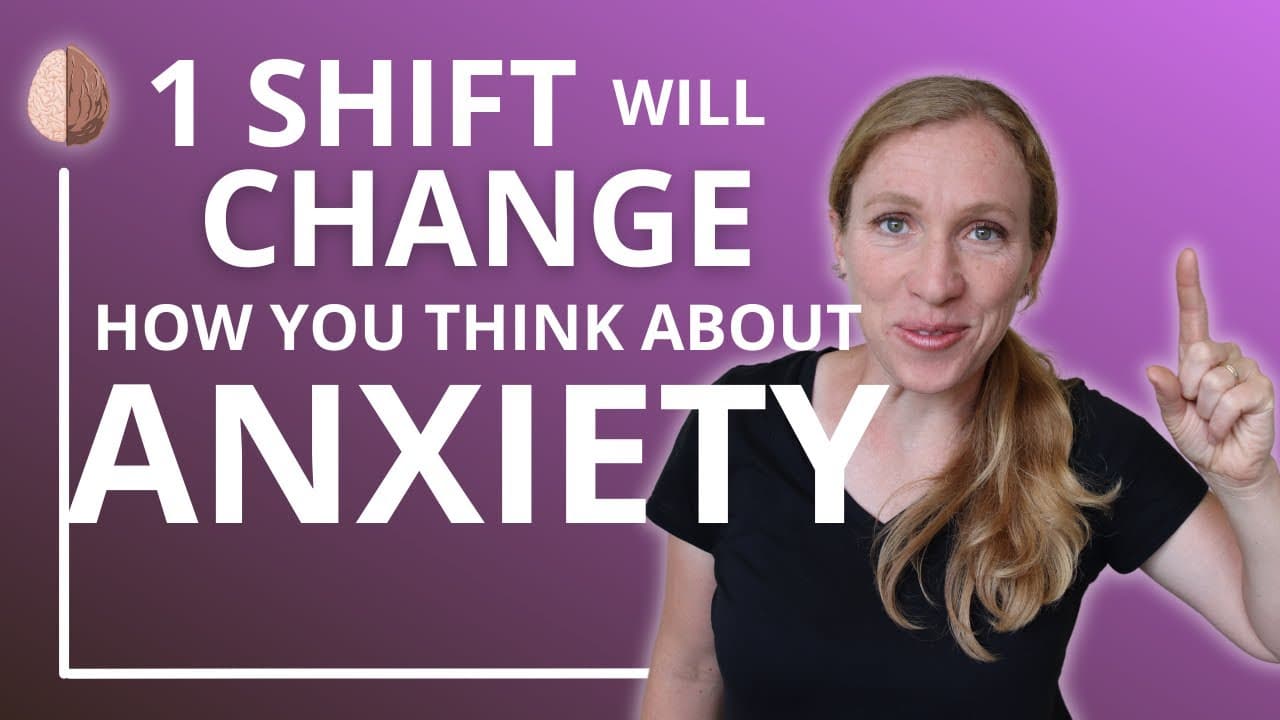
The key idea is to manage anxiety by assessing acceptable risk rather than avoiding all danger. You learn to face useful goals while weighing costs and benefits, choosing actions aligned with what you value. Risk acceptance helps you live a fuller life without being ruled by fear.
Transcript
Today we're in my garden and we're going to be talking about dealing with "what ifs". So your brain is super extra at imagining danger, but if you let anxiety and "what ifs" make your choices, your world is going to shrink and you're going to feel more anxious and powerless. So instead, we're going to talk about regaining your power through ca... Read More
Key Insights
- Anxiety makes the brain imagine threats in the present moment due to future and past dangers.
- Acceptable risk is a deliberate choice that balances value and potential costs.
- Avoidance can increase anxiety and reduce life quality over time.
- Risks exist in many activities and cannot be eliminated completely.
- Exposure and gradual engagement can reduce fear when aligned with values.
- Climbing serves as a metaphor for different danger levels and decision making.
- Social distancing involves weighing personal safety against social costs and benefits.
- Living meaningfully requires choosing actions even when risks are present.
Install to Summarize YouTube Videos and Get Transcripts
Explore YouTube Video Summarizer or Get YouTube Transcript Extractor
Questions & Answers
Q: What is acceptable risk in anxiety management?
Acceptable risk is a deliberate, value driven choice about how much danger is worth taking to achieve meaningful goals. It means recognizing that some risk is inevitable and not letting fear dictate every decision. By weighing costs and benefits, you choose actions that support growth, connection, and well being rather than avoidance.
Q: Why does the video emphasize risk assessment over avoidance?
The video argues that avoidance increases anxiety by reinforcing fear and shrinking your life. Through risk assessment you regain control, can pursue important activities, and still protect yourself. This approach helps you live a full life while acknowledging and managing potential dangers rather than letting fear dictate your choices.
Q: How does the rock climbing example illustrate risk levels?
Rock climbing shows several levels of danger: top roping is relatively safe, lead climbing adds more risk, and free soloing is highly dangerous. The example demonstrates that decisions about how to climb involve intentional risk and value, not mere avoidance, and that safer practices can still offer meaningful experiences.
Q: What role do values play in handling what ifs?
Values guide which risks are worth taking. When anxious, what ifs pull attention to dangers, but identifying what matters most helps you decide which activities you will pursue. This reduces fear, enhances empowerment, and leads to purposeful living, even with some risk involved.
Q: How can fear of a dog bite be addressed according to the video?
The video suggests reframing the question from fear of harm to the potential for growth and connection. By assessing the actual risk, people can decide whether interacting with dogs is valuable for them. If the reward outweighs the risk, gradual exposure may be appropriate instead of avoidance.
Q: What does the video say about social distancing and its costs?
Social distancing involves tradeoffs between safety and social life. The video advises choosing a degree of distancing that protects health while still enabling essential activities like grocery shopping and limited social contact. It emphasizes intentionality about costs rather than fear driven avoidance.
Q: How does fear influence decision making in daily life, according to the talk?
Fear narrows decision making by highlighting threats and minimizing perceived benefits. The talk promotes broadening focus to include goals and values, then making intentional choices about acceptable risk. This approach helps maintain agency and allows living a meaningful life despite potential dangers.
Q: What is the final takeaway regarding living with anxiety?
The final takeaway is that living with anxiety requires intentional risk acceptance rather than constant avoidance. By evaluating risks against personal values, you can engage in activities that matter, grow resilience, and reduce the power of fear over everyday choices.
Summary & Key Takeaways
-
Anxiety thrives when you let what-ifs govern your choices, shrinking your world and increasing fear. By labeling risks as acceptable based on personal values, you regain control and pursue meaningful activities like social interaction or hobbies. The approach emphasizes deliberate exposure and decision making rather than total avoidance.
-
The speaker uses rock climbing as a metaphor to illustrate levels of danger, from safe to risky, and explains how intentional choices shape life quality. Accepting some risk is necessary to experience growth, resilience, and fulfillment without succumbing to anxiety.
-
The message includes practical steps such as differentiating threat from actual danger, considering costs of avoidance, and choosing actions that align with valued outcomes, like visiting a family member with a dog or maintaining social connections during a pandemic.
Read in Other Languages (beta)
Share This Summary 📚
Summarize YouTube Videos and Get Video Transcripts with 1-Click
Try YouTube Summary with ChatGPT & Claude or YouTube Transcript Generator
Explore More Summaries from Therapy in a Nutshell 📚



Summarize YouTube Videos and Get Video Transcripts with 1-Click
Try YouTube Summary with ChatGPT & Claude or YouTube Transcript Generator