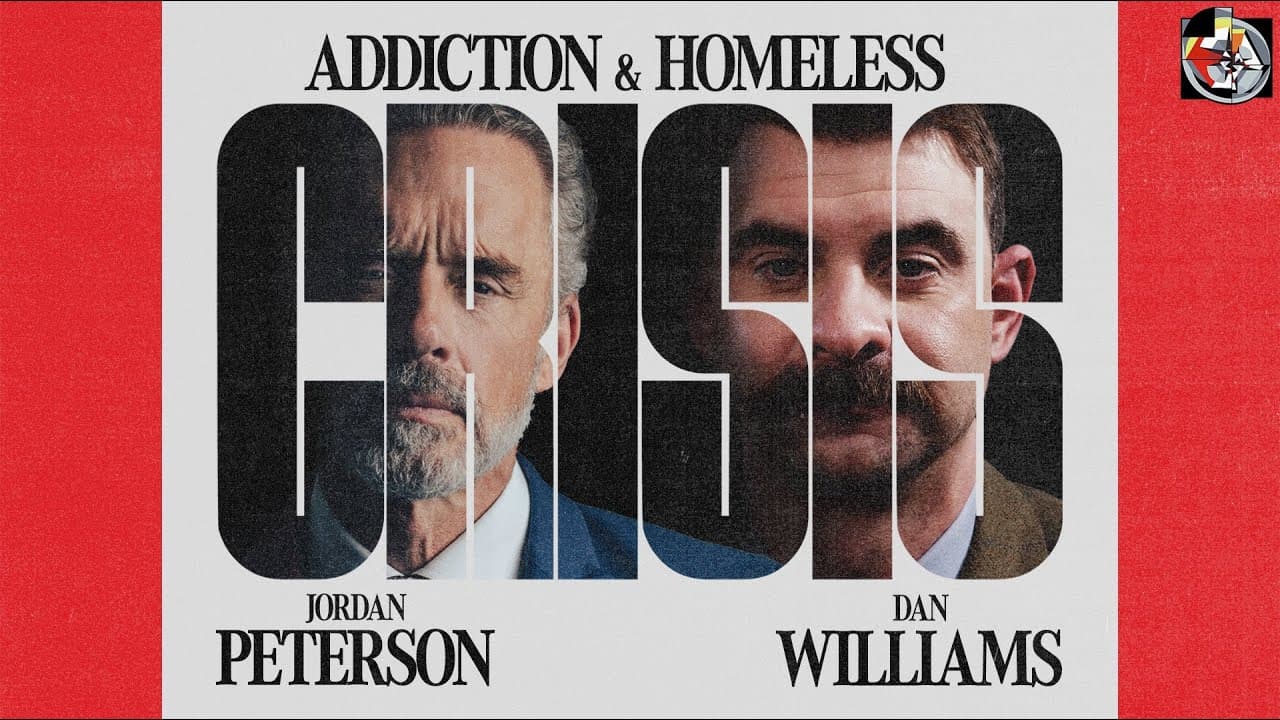
How Does the Alberta Recovery Model Work? | Minister Dan Williams | EP 497
TL;DR
Alberta’s addiction recovery model combines intervention, structured treatment, renewed purpose, and the belief that recovery is possible. The province is building 11 recovery communities, establishing the provincially funded and overseen Recovery Alberta agency, engaging communities and First Nations, and expanding mental health support for children and youth. Read on to understand the model, its constitutional foundation, and Minister Dan Williams’s reasoning.
Transcript
it's not just that it gives you a natural dopamine kick that you could have it gives you this this synthetic heightened which drives an addiction and so that that that dop is super problematic and so if you deal with that um without replacing it with some purpose and without uh a sense of of how you plan to treat it you will just continue to escala... Read More
Key Insights
- Canada’s constitutional framework divides authority between the federal government and 10 provincial governments. Williams says this division originates in the British North America Act of 1867 and gives provinces responsibility for areas including health care, education, and transportation.
- Alberta’s health policy is a provincial responsibility rather than authority delegated by Ottawa. Williams says the province can collaborate with other governments and participate in federally funded initiatives, but Alberta remains responsible for setting policy and delivering health services within its jurisdiction.
- Addiction is described as being reinforced by an unusually heightened dopamine response. Williams argues that this effect can drive compulsive behavior and escalation, particularly when no intervention, treatment plan, or meaningful alternative source of purpose is introduced.
- The Alberta Recovery Model is based on the principle that recovery is possible regardless of the addiction or mental health challenge a person faces. Its approach emphasizes treatment and recovery instead of accepting continued addiction as the only realistic outcome.
- Long-term addiction treatment is being expanded through 11 recovery communities across Alberta. The description characterizes this construction program as a record-breaking provincial expansion intended to provide structured, longer-term environments for people seeking recovery.
- Recovery Alberta is a new mental health and addiction agency funded and overseen by Alberta’s Minister of Mental Health and Addiction. Its establishment places specialized services within an organization directly connected to the province’s recovery-focused strategy.
- Mental health support for children and youth is an identified area of provincial investment. The description also says partnerships with service providers are expanding, placing early mental health services alongside Alberta’s broader work on addiction treatment and recovery.
- Political tension between Alberta and Ottawa reflects their different jurisdictions and policy priorities. The discussion presents Alberta’s entrepreneurial and conservative approach as distinct from the federal approach, particularly regarding addiction, homelessness, and the proper role of government intervention.
Install to Summarize YouTube Videos and Get Transcripts
Explore YouTube Video Summarizer or Get YouTube Transcript Extractor
Questions & Answers
Q: How does Alberta's addiction recovery model work?
The Alberta Recovery Model treats recovery as possible for people facing addiction or mental health challenges. It emphasizes intervention, structured treatment, purpose, and a path away from continued addiction. Alberta is supporting the model through 11 recovery communities, Recovery Alberta, service-provider partnerships, and engagement with communities and First Nations.
Q: Why does Alberta emphasize intervention and recovery in addiction policy?
Minister Dan Williams says a synthetic, heightened dopamine response can drive addiction and continued escalation when there is no intervention. He argues that addressing drug use without adding purpose and a treatment plan is insufficient. As minister, he describes supporting people and helping them enter recovery where possible as a moral responsibility.
Q: What is Recovery Alberta?
Recovery Alberta is the province’s new mental health and addiction agency. It is provincially funded and overseen by Alberta’s Minister of Mental Health and Addiction. The agency is part of a broader strategy that also includes long-term treatment and expanded partnerships with service providers.
Q: What are Alberta's recovery communities?
Recovery communities are part of Alberta’s expansion of structured, long-term addiction treatment. The province is building 11 across Alberta. They support a policy model centered on treatment and the possibility of recovery.
Q: What role does purpose play in addiction recovery?
Williams says treating addiction without replacing its heightened reward with purpose can allow escalation to continue. In his account, recovery requires both a sense of constructive direction and a plan for treatment. Reducing immediate drug use alone does not address those needs.
Q: Who controls health care and addiction policy in Alberta?
Under Canada’s constitutional division of powers, Alberta is responsible for setting health policy and delivering health services within the province. Williams says this authority originates in the British North America Act of 1867 rather than being delegated by Ottawa. The province may collaborate with other governments or participate in federally funded initiatives.
Q: Why is there tension between Alberta and Ottawa over health policy?
Canada’s federal and provincial governments have distinct areas of constitutional authority. Health care is a provincial responsibility, while Ottawa may offer funding or propose collaborative initiatives. Williams says this division can create natural tension between federal interests and Alberta’s responsibility to set and deliver its own policies.
Q: How is Alberta supporting mental health services beyond addiction treatment?
Alberta is investing in mental health services with particular attention to children and youth. It is also expanding partnerships with service providers and engaging communities, First Nations, and affected families. These efforts sit alongside Recovery Alberta and the construction of 11 recovery communities.
Summary & Key Takeaways
-
Canada’s constitutional structure assigns different responsibilities to federal and provincial governments. Health care, education, and transportation fall within provincial jurisdiction, giving Alberta authority to establish health policy and deliver addiction services. Federal funding and collaboration may still occur, but Alberta retains responsibility for decisions made within the province.
-
Williams presents addiction as a condition reinforced by powerful dopamine effects, escalating behavior, and an absence of effective intervention. He argues that reducing drug use without replacing it with purpose and a treatment plan is insufficient. His stated moral responsibility as minister is to support people and, where possible, help them enter recovery.
-
The Alberta Recovery Model is built around the belief that recovery remains possible for people facing addiction or mental health challenges. Alberta is building 11 recovery communities, establishing the provincially funded and overseen Recovery Alberta agency, working with communities and First Nations, and investing in mental health services for children and youth.
Read in Other Languages (beta)
Share This Summary 📚
Summarize YouTube Videos and Get Video Transcripts with 1-Click
Try YouTube Summary with ChatGPT & Claude or YouTube Transcript Generator
Explore More Summaries from Jordan B Peterson 📚






Summarize YouTube Videos and Get Video Transcripts with 1-Click
Try YouTube Summary with ChatGPT & Claude or YouTube Transcript Generator