How Wow Momo Built a 1,000 Crore Food Brand
TL;DR
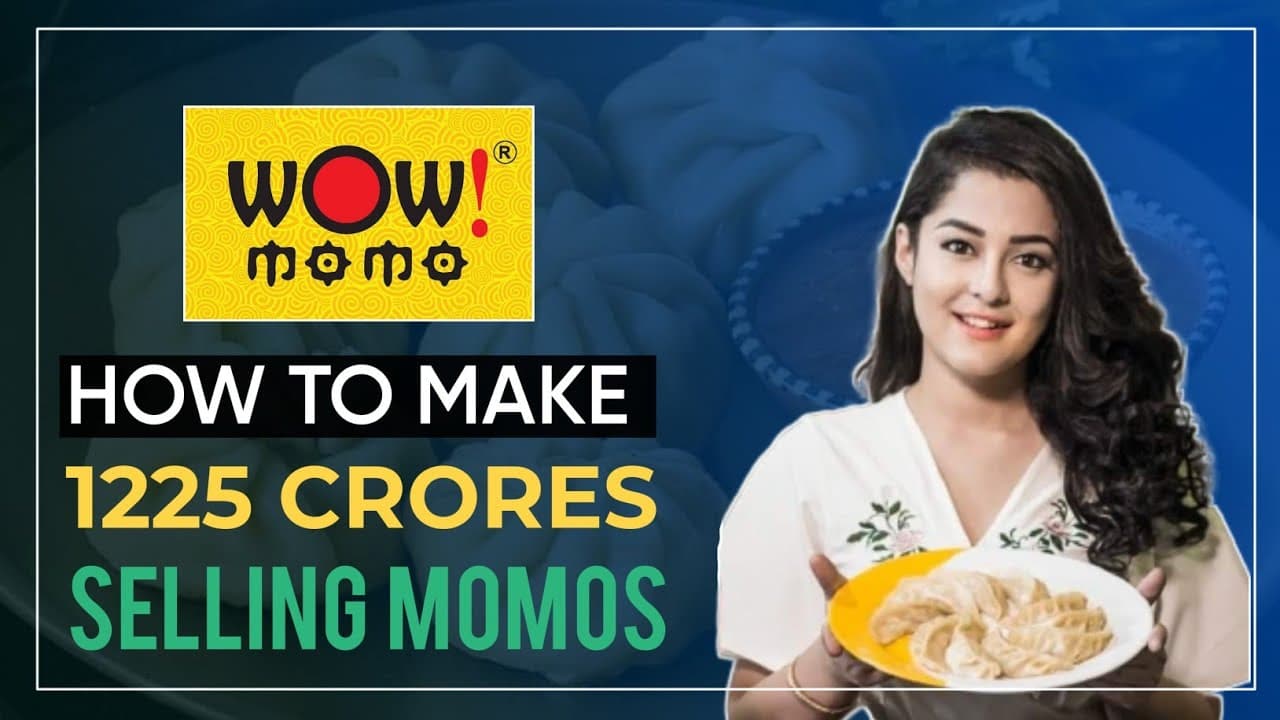
Wow Momo grew by repositioning momos from inconsistent, unhygienic street food into a branded, relatively healthier quick-service option sold in malls. Its locations, product variety, visible branding, and sub-premium positioning made prices of ₹89 to ₹189 appear affordable beside established restaurant chains, rather than expensive beside street vendors.
Transcript
Hi, everybody. If you want to be a legendary entrepreneur, then this episode is for you because the story that I'm about to tell you today is the story of two college boys who decided to wage a war against the giants like Domino's and McDonald's. This is a story of two boys who built a 1,000 crore business, not by selling pizzas, not by selling bur... Read More
Key Insights
- Wow Momo is presented as a ₹1,000 crore business that employed more than 2,700 people, operated 357 stores across 17 cities, and generated $24 million in revenue in 2019, demonstrating how an organized brand can scale a familiar street food.
- The original momo market had three identified weaknesses: inconsistent taste among sellers, serious hygiene concerns associated with street food, and little effective branding among vendors that did offer good products. Wow Momo built its proposition around addressing all three weaknesses.
- Wow Momo's founding vision was to sell healthy and hygienic momos throughout India while creating a reliable, recognizable brand. Bright yellow T-shirts and deliberate design choices helped its outlets stand apart visually from the numerous unbranded momo sellers already operating in the market.
- Product variety was a central part of Wow Momo's strategy. After beginning with steamed momos, the company offered 12 varieties, including chicken, corn, paneer, Schezwan, and prawn, and introduced momos fried in sauces that delivered spicy, sweet, and sour flavors.
- Wow Momo's higher prices reflected its chosen business environment, including mall rents and franchising costs. A basic steamed serving was described as costing at least ₹89, while pan-fried momos could reach ₹189, compared with approximately ₹40 to ₹60 for street momos.
- Wow Momo competes in the sub-premium dining category rather than the super-affordable street-food category. Its mall and cinema-adjacent locations place it beside brands such as Domino's and McDonald's, where customers allocate more time and expect to spend substantially more on a planned meal.
- Customer context changes how pricing is perceived. Street-food purchases may receive only 15 to 30 minutes and little advance planning, while visits to sub-premium restaurants may involve 30 minutes to one hour and a mental spending allocation of ₹300 to ₹1,000.
- Wow Momo occupies a relatively uncrowded position combining affordability with perceived healthiness. The transcript characterizes it as relatively healthier than McDonald's and KFC, less expensive than several health-oriented alternatives, and more suitable for quick service than boxed meals or biryani.
Install to Summarize YouTube Videos and Get Transcripts
Explore YouTube Video Summarizer or Get YouTube Transcript Extractor
Questions & Answers
Q: How did Wow Momo build a ₹1,000 crore business?
Wow Momo built its business by turning momos from largely unorganized street food into a branded quick-service product. It addressed inconsistent taste, hygiene concerns, and weak branding, then sold from malls with a distinctive visual identity. Product variety, Indian-style sauces, and positioning beside sub-premium restaurant chains helped customers view its momos as an affordable, relatively healthy alternative.
Q: Why did Wow Momo choose malls instead of street locations?
Wow Momo chose malls because the company was targeting the sub-premium dining occasion rather than directly competing with inexpensive street vendors. Mall customers generally plan more time for eating and arrive with higher spending expectations. By locating near restaurant chains or movie theaters, Wow Momo made prices of ₹89 to ₹189 look competitive within that environment, despite the higher rent involved.
Q: Why would customers pay more for Wow Momo than street momos?
Customers were not simply paying for the same purchase experience at a higher price. Wow Momo offered recognizable branding, more consistent products, improved perceptions of hygiene, multiple varieties, and convenient locations near other organized food outlets. In the sub-premium category, its highest cited price of ₹189 could still compare favorably with pizzas and meals from established restaurant chains.
Q: What problems in the momo market did Wow Momo address?
Wow Momo addressed three specific problems identified in the existing market. Many sellers did not produce consistently tasty momos, street-food hygiene discouraged some interested customers, and even vendors with excellent taste usually lacked branding and a scalable organization. The company responded with a reliable identity, hygienic positioning, standardized offerings, and outlets designed to stand out from unorganized sellers.
Q: How did Wow Momo differentiate its products?
Wow Momo expanded beyond a basic steamed product by developing 12 momo varieties, including chicken, corn, paneer, Schezwan, and prawn. It also fried momos in different sauces to produce spicy, sweet, and sour flavors suited to Indian preferences. These variations gave customers more choice and helped transform a familiar snack into a broader branded menu.
Q: What was Wow Momo's market positioning strategy?
Wow Momo positioned itself in the sub-premium category alongside organized restaurant brands, not in the super-affordable category occupied by street vendors. Within its chosen setting, it aimed to be among the least expensive options while also benefiting from the perception that momos were relatively healthier than pizzas or burgers. This combination reduced direct competition and supported premium pricing.
Q: How did customer time and spending expectations support Wow Momo's prices?
The transcript distinguishes spontaneous street-food purchases from planned restaurant visits. Customers may devote only 15 to 30 minutes to street food, while a meal at a mall restaurant can receive 30 minutes to one hour. They may also mentally allocate ₹300 to ₹1,000 for Domino's or McDonald's, making Wow Momo's prices appear affordable in comparison.
Q: Why did Wow Momo face limited competition in its chosen category?
Wow Momo occupied the relatively healthy and affordable section of the presented market comparison. McDonald's, KFC, and Domino's were described as affordable but unhealthy, while Subway, Wadeswar, Up South, and Starbucks were characterized as comparatively expensive. South Indian food, biryani, and momos remained alternatives, but boxed meals and biryani were not considered quick-service options in the transcript.
Summary & Key Takeaways
-
Wow Momo began with the observation that high-quality momos had strong potential, but the broader market suffered from inconsistent taste, hygiene concerns, and a lack of recognizable brands. The company responded by offering hygienic momos under a reliable identity, using bright yellow clothing and deliberate visual design to distinguish itself from unorganized sellers.
-
The company initially sold steamed momos in malls such as Spencer Retail and developed 12 varieties, including chicken, corn, paneer, Schezwan, and prawn. It also adapted the dish to Indian preferences by frying momos in sauces with spicy, sweet, and sour flavors, expanding the product beyond its standard steamed form.
-
Wow Momo positioned itself against sub-premium restaurant chains rather than low-priced street vendors. Mall locations placed the brand where customers planned longer visits and expected higher spending. Within that setting, momos appeared relatively healthy, tasty, and affordable compared with many fast-food choices, giving the company a distinctive position with limited direct competition.
Read in Other Languages (beta)
Share This Summary 📚
Summarize YouTube Videos and Get Video Transcripts with 1-Click
Try YouTube Summary with ChatGPT & Claude or YouTube Transcript Generator
Explore More Summaries from Think School 📚






Summarize YouTube Videos and Get Video Transcripts with 1-Click
Try YouTube Summary with ChatGPT & Claude or YouTube Transcript Generator