Is Technology Threatening Democracy's Future?
TL;DR
Technology poses a real threat to democracy, particularly through digital dictatorships and constant surveillance, which can undermine privacy and freedoms. Countries like Estonia demonstrate how technology can empower democracy, but self-regulation in the tech industry is insufficient; robust government regulation is necessary to protect human rights and ensure ethical practices.
Transcript
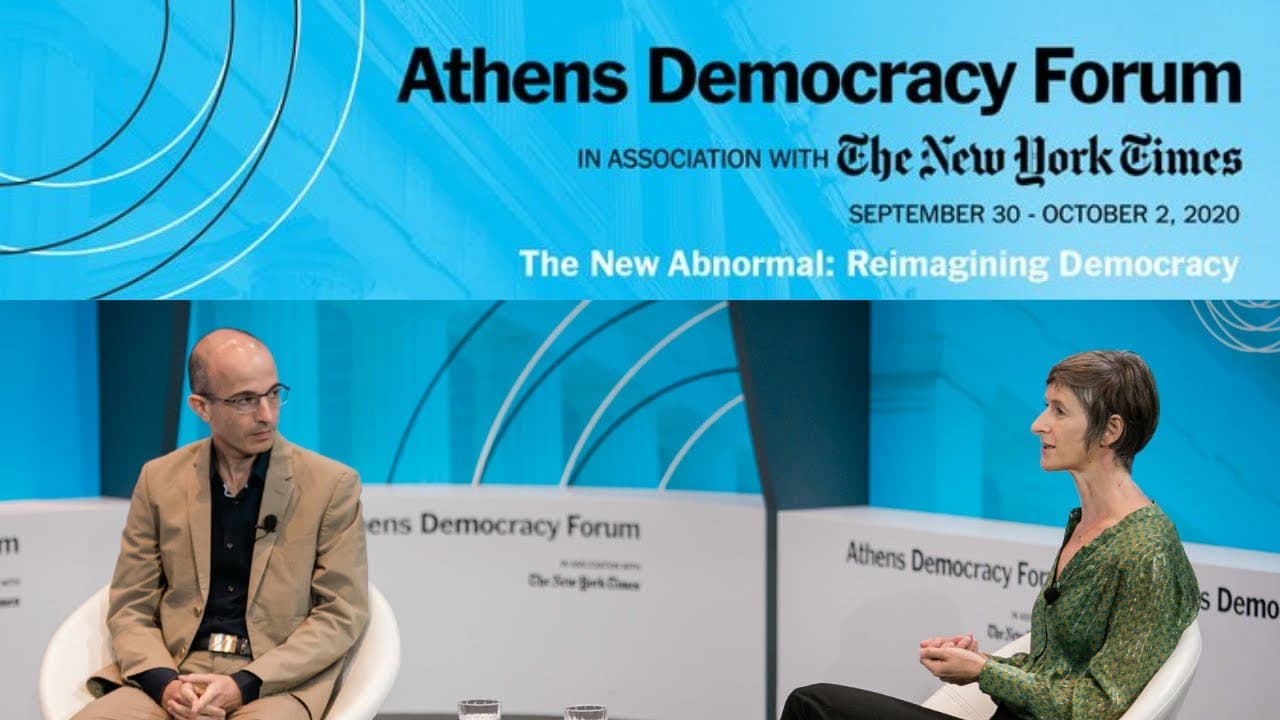
good morning everyone i'm alexis pabachelas welcome to the athens democracy forum i'm very privileged today to have to moderate a great panel which will be about democracy and technology we have with us here yuval harari a great global thinker thank you both for being here thank you for inviting took us a while to convince you to come to athens but... Read More
Key Insights
- 💐 Democracies must be cautious and preserve democracy at all times as it is a rare flower that requires specific conditions to succeed.
- 👯 Technology, particularly biometric surveillance and the ability to monitor people under the skin, poses a significant threat to privacy and human freedom.
- 😫 Self-regulation by the tech industry is insufficient, and government regulation is necessary to set standards and protect human rights.
- 🎓 Education is crucial, both for engineers and citizens, to understand the ethical implications of technology and to combat misinformation and conspiracy theories.
- 🎙️ More videos with Yuval Noah Harari:
Install to Summarize YouTube Videos and Get Transcripts
Explore YouTube Video Summarizer or Get YouTube Transcript Extractor
Questions & Answers
Q: Is democracy at an exceptionally risky period due to advancing technology?
Yes, technology enables the creation of digital dictatorships and the monitoring of people all the time, posing new threats to human freedom and privacy.
Q: Does the tech industry have a responsibility for the loss of trust in authority and the rise of conspiracy theories?
The tech industry plays a significant role and must use technology responsibly as a tool, but ultimately, government regulation and laws are needed to ensure minimum standards and protect society.
Q: Can machine learning help counter disinformation and deep fakes?
Machine learning can be used to detect deep fakes and disinformation, but it should be part of a systemic approach that includes regulation, ethical guidelines, and collaboration with academia and other organizations.
Q: How can we sensitize people to trust reliable sources and combat conspiracy theories?
Education is key. Empowering citizens to understand the impact of technology, teaching critical thinking skills, and promoting a broader understanding of ethics and philosophy can help combat misinformation and conspiracy theories.
Summary & Key Takeaways
-
Democracy is always under threat, but technology poses a new type of threat with the rise of digital dictatorships and the ability to monitor people constantly.
-
The technology industry has a responsibility to use technology for good and be aware of its potential negative consequences on democracy.
-
Estonia is an example of a country reimagining democracy by using technology to empower citizens and recreate government services.
-
Self-regulation by the tech industry is not enough, and government regulation is necessary to ensure minimum standards and protect human rights.
Read in Other Languages (beta)
Share This Summary 📚
Summarize YouTube Videos and Get Video Transcripts with 1-Click
Try YouTube Summary with ChatGPT & Claude or YouTube Transcript Generator
Explore More Summaries from Yuval Noah Harari 📚



Summarize YouTube Videos and Get Video Transcripts with 1-Click
Try YouTube Summary with ChatGPT & Claude or YouTube Transcript Generator