How Does Stoicism Turn Obstacles Into Progress?
TL;DR
Obstacles become useful when you control your perception, adapt your actions, and treat difficulty as a chance to practice excellence. Stoicism does not require denying hardship. It asks you to identify what the situation makes possible, respond creatively and persistently, and convert whatever impedes your original plan into material for progress.
Transcript
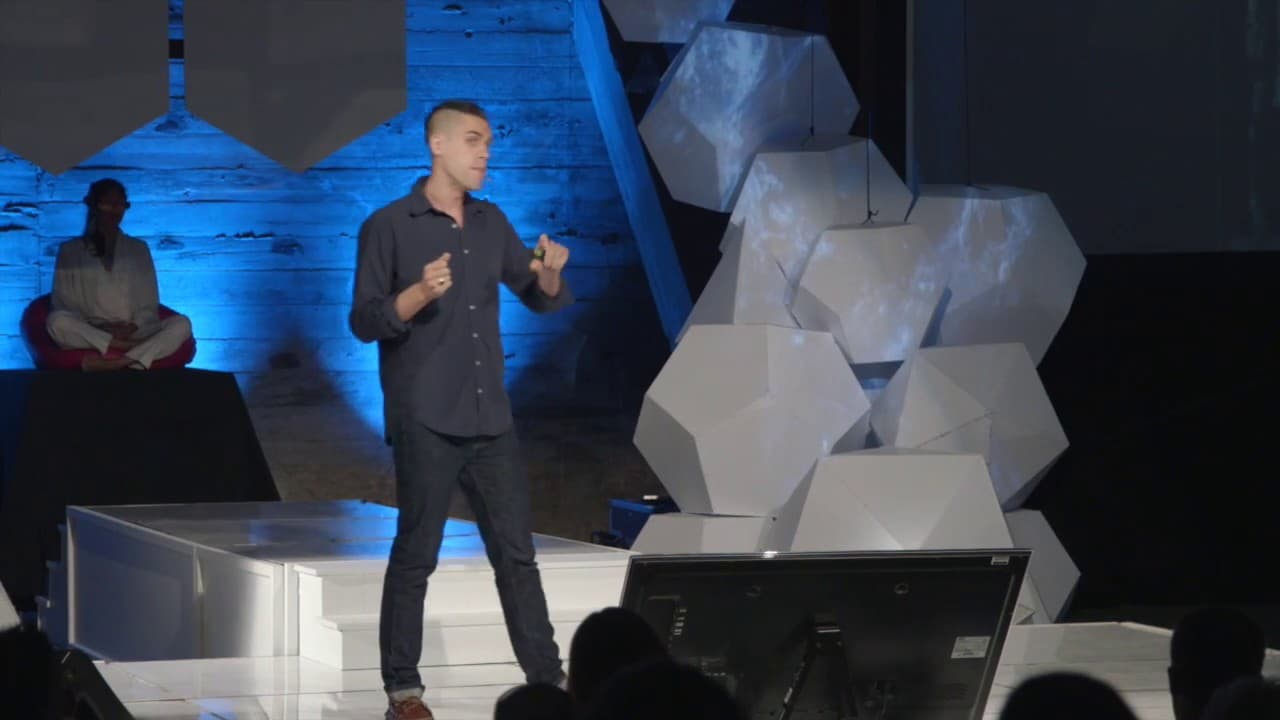
[Applause] who's ready to start uh their Saturday morning with an exciting lecture about an obscure form of Roman philosophy you're you're not supposed to clap I was just going to say it's only going to last 12 minutes so uh it won't hurt too bad um of course that's not actually what philosophy is not historically philosophy has been uh the guide t... Read More
Key Insights
- Stoicism is a practical philosophy for addressing the problems of life through conduct, judgment, and disciplined responses. Its value is not limited to classrooms or subtle arguments. It becomes visible when people apply its principles while working, leading, struggling, or adapting under pressure.
- The central Stoic exercise is to convert impediments into instruments of progress. Marcus Aurelius argues that actions can be blocked while intentions and dispositions remain adaptable. The mind can accommodate circumstances, redirect its purposes, and make what stands in the way become the way forward.
- Every situation is an opportunity to practice excellence in a relevant form. Traffic, technical failures, or a hostile audience may prevent an intended experience, but each creates an unplanned occasion to develop patience, composure, adaptability, courage, or another useful quality.
- The discipline of perception determines how an obstacle is understood before action begins. The Stoic approach rejects automatic labels of good and bad, focusing instead on interpretation. A changed perspective can reveal educational or strategic possibilities that panic, resentment, and rigid expectations conceal.
- Rockefeller treated the Panic of 1857 as an apprenticeship in difficulty. While banks, commodities businesses, and experienced investors suffered, he studied the market at its worst. That formative education helped him recognize opportunities during later economic crises instead of reacting to them only with fear.
- Eisenhower regarded a massive German counteroffensive as an opportunity rather than a disaster. He demanded cheerful faces without denying the danger because he recognized a strategic possibility. If Allied forces bent without breaking, the attacking troops could advance into an enveloping trap.
- The discipline of action requires persistent experimentation rather than passive optimism. Grant tried direct attacks, alternative approaches, flooded routes, and even a canal around Vicksburg. When those efforts failed, he remained composed, continued searching, and developed a radically different strategy.
- Creative persistence means changing methods while maintaining the objective. Grant passed the gun batteries at night, crossed the river far downstream, cut his supply lines, captured Jackson, and returned toward Vicksburg from the east. His approach transformed the enemy's defensive fortress into a source of confinement.
- Related book: The Obstacle Is the Way
- Export your Kindle highlights to Glasp: How to Download Highlights and Notes from Kindle
- More videos about this book:
- More videos with Ryan Holiday:
Install to Summarize YouTube Videos and Get Transcripts
Explore YouTube Video Summarizer or Get YouTube Transcript Extractor
Questions & Answers
Q: What does it mean that the obstacle becomes the way?
The phrase means that an impediment can be adapted into part of the process of moving forward. Marcus Aurelius writes that actions may be blocked, but intentions and dispositions remain capable of accommodation. Instead of treating disruption only as a loss, a person can identify the excellence the situation permits and use the obstacle to shape a new course of action.
Q: How does Stoicism help people respond to obstacles?
Stoicism helps by separating external impediments from the judgments, intentions, and responses that remain adaptable. The initial plan may become impossible, but the mind can reinterpret the circumstances and choose another purpose. The practical task is to see each event as an opportunity to exercise excellence, then take deliberate action suited to what the situation now requires.
Q: What is the discipline of perception in Stoicism?
The discipline of perception is the practice of examining how an obstacle is interpreted. The talk presents the Stoic view that events are not automatically good or bad, because perception shapes their meaning. By withholding panic and looking carefully, a person may discover that a crisis offers education, exposes neglected possibilities, or creates a strategic opening that was previously unavailable.
Q: How did Rockefeller use the Panic of 1857 as an opportunity?
Rockefeller was a young bookkeeper in Ohio when the Panic of 1857 produced a severe national depression and damaged banking and commodities industries. He treated the crisis as an apprenticeship in difficulty. By watching experienced investors lose money and noticing opportunities that frightened people missed, he gained an education in how markets behave under extreme pressure.
Q: How did Eisenhower reinterpret the German counteroffensive?
Eisenhower told his generals to regard the counteroffensive as an opportunity rather than a disaster. His response was not presented as denial or empty encouragement. He saw that the attack depended on Allied forces flinching and falling into chaos. If they bent without breaking and enveloped the advancing troops, the German attack could carry those troops directly into a trap.
Q: What is the discipline of action in Stoicism?
The discipline of action is the requirement to do something purposeful about the circumstances one faces. Stoicism is not described as a secret or a method of wishing results into existence. Perception reveals possible openings, but action must exploit them through effort, experimentation, persistence, and creativity. Progress comes from adjusting conduct when the first plan is blocked.
Q: How did Grant's persistence change the campaign against Vicksburg?
Grant tried numerous approaches to Vicksburg, including a direct assault, routes above the city, flooded approaches, and a canal intended to reroute the river. Failures and deaths from malaria did not end his efforts. He continued testing alternatives until he chose a nighttime movement past the gun batteries, crossed downstream, and approached the objective through a new sequence of operations.
Q: Why did Grant approach Vicksburg from the opposite direction?
Grant passed the city's gun batteries, crossed the Mississippi River almost 80 miles downstream at Hard Times, Louisiana, cut his supply lines, and marched east to capture Jackson. He then moved west toward Vicksburg. This reversed the strategic problem because the fortress was designed to resist entry from the expected direction, while an approach from behind left its defenders trapped inside it.
Summary & Key Takeaways
-
Stoicism is presented as a practical guide for solving life's problems, not merely a subject for abstract thought. Marcus Aurelius captures its central exercise by arguing that the mind can adapt obstacles to its purposes. Every situation, whether welcome or painful, therefore offers an opportunity to practice excellence in some form.
-
The discipline of perception concerns how people interpret what they face. Rockefeller treated the Panic of 1857 as an apprenticeship in difficulty, studying failed investors and overlooked opportunities. Eisenhower similarly regarded a massive German counteroffensive as an opportunity, recognizing that disciplined resistance could turn the advancing forces' aggression into a trap.
-
The discipline of action requires concrete, adaptable effort rather than hopeful thinking. Grant repeatedly changed tactics when his attempts to capture Vicksburg failed. He eventually passed the gun batteries, crossed downstream, cut his supply lines, marched east to Jackson, and approached Vicksburg from behind, combining persistence with strategic creativity.
Read in Other Languages (beta)
Share This Summary 📚
Summarize YouTube Videos and Get Video Transcripts with 1-Click
Try YouTube Summary with ChatGPT & Claude or YouTube Transcript Generator