How to stop using trigger phrases that kill sales
TL;DR
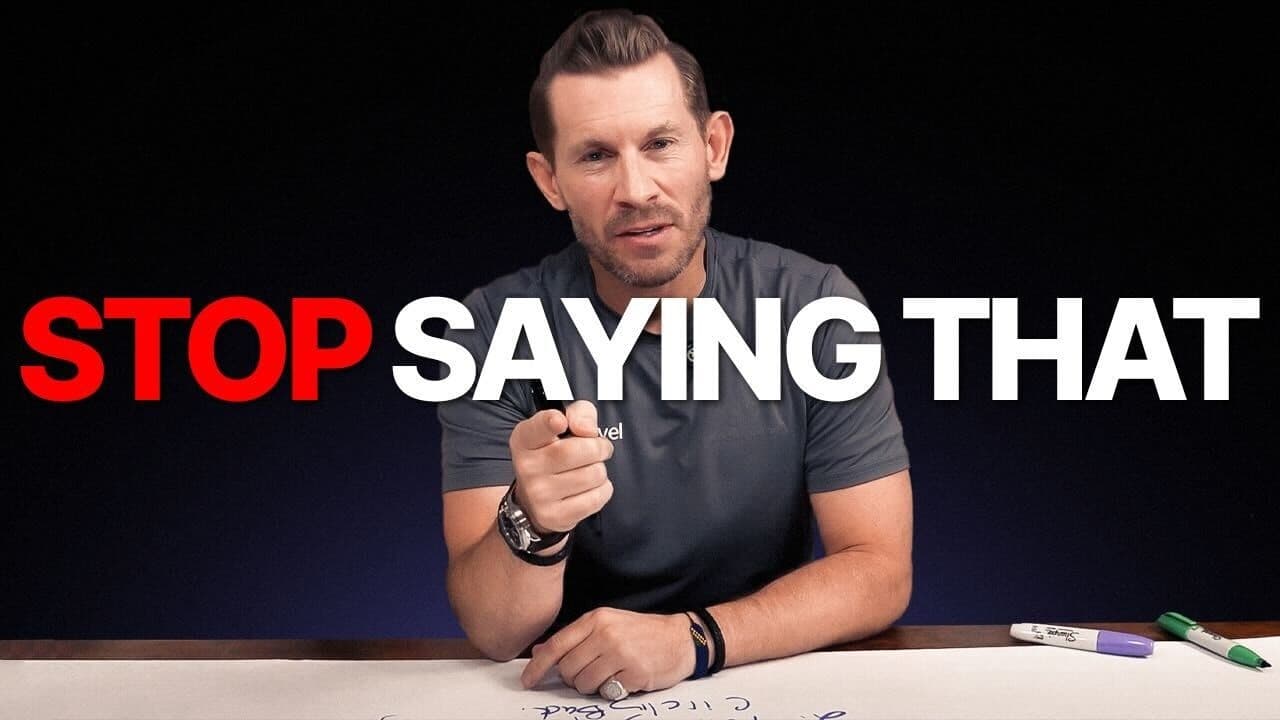
Avoid three trigger phrases that trigger resistance and surface level answers. Replace honest push with just so you know, stop saying just following up or circling back, and rephrase lateness to show appreciation for patience. These adjustments raise your status, trigger more probing questions, and lead to more qualified conversations that close more deals.
Transcript
Today, I'm going to go over three words, three phrases that most salespeople use that cost them deals, and they don't even know that it's costing them deals. Now, why do I say this is important for you? Because I had to learn this the hard way. When I first got into sales, these were common words that I noticed sales people say around me all the ti... Read More
Key Insights
- Trigger words are subconscious signals that can create resistance in buyers and keep conversations superficial.
- The key to improving outcomes is to replace damaging phrases with language that maintains authority while remaining transparent and helpful.
- Honesty is not about saying I am honest; it is about communicating information in a way that keeps the buyer’s trust intact.
- Follow up language like just following up or just circling back tends to cue buyers to an impending sales pitch, lowering engagement.
- Reframing lateness to I appreciate your patience or I was with a client raises status and reduces qualifying signals to the prospect.
- Pattern breaking is a cognitive tool; changing a common script helps the brain recognize a different interaction and stay engaged.
- Prospects qualify you by delaying judgments; your job is to let them come to you by presenting relevance and value first.
- If you want more help, you can text the provided number to get tailored sales guidance and answers.
Install to Summarize YouTube Videos and Get Transcripts
Explore YouTube Video Summarizer or Get YouTube Transcript Extractor
Questions & Answers
Q: How to identify trigger phrases in sales conversations
Trigger phrases are words a salesperson uses that subconsciously signal weakness or predictability to the buyer, causing resistance and surface level answers. Examples include phrases that imply honesty needs emphasis, repetitive follow up language, and apologies for tardiness. By recognizing these patterns you can replace them with more neutral, confident wording that maintains trust while inviting deeper discussion. This approach helps the buyer feel heard, not sold to, and increases the likelihood of uncovering real needs.
Q: What is the recommended replacement for 'honestly' in sales dialogue
Replace 'honestly' with phrases like 'just so you know' or 'for your awareness' to avoid implying a lack of consistency. This adjustment communicates transparency while preserving status in the buyer's mind. The shift reduces subconscious doubts, keeps the conversation on practical information, and makes it easier for the buyer to engage with concrete details, questions, and needs without feeling pressured.
Q: Why is 'just following up' harmful and how to replace it
Just following up signals a predictable sales pattern and can trigger buyer resistance by making the outreach feel generic. A better approach is to reframe the message around relevance and timing, such as referencing a prior discussion and next steps without sounding like a routine contact. This helps maintain high status, fosters curiosity, and encourages a response focused on value.
Q: How can you rephrase lateness to maintain status
Instead of apologizing for being late, say you appreciate the prospect’s patience and briefly explain the reason without undermining authority. This preserves your expertise and demonstrates accountability while avoiding a concession that lowers status. The phrasing acknowledges the inconvenience but keeps the discussion centered on the prospect’s needs and the meeting’s outcomes.
Q: What is the concept of breaking pattern in this context
Breaking pattern means intentionally changing the words and cadence you use to prevent the buyer from tuning out due to predictable language. By altering phrasing, tone, and structure, you create cognitive novelty that invites more thoughtful responses. This technique helps surface deeper needs and keeps the conversation moving toward meaningful next steps rather than superficial questions.
Q: How does tone influence sales conversations according to the video
Tone influences how buyers perceive status, sincerity, and expertise. A tone that sounds like everyone else can lower perceived authority and trigger resistance. A distinct, confident tone signals capability and invites the buyer to participate more actively in the problem-solving process, which increases engagement and the likelihood of uncovering specific pain points and solutions.
Q: What role does buyer qualification play in this framework
The framework emphasizes that buyers are the ones who have the problems and needs. By avoiding language that makes you seem desperate or uncertain, you allow the buyer to qualify themselves through questions and engagement. This shifts the dynamic toward a consultative relationship where your role is to present relevant solutions and guide the buyer toward a collaborative decision.
Q: What practical steps can a rep take after watching this video
Practically, a rep should audit recent conversations for trigger phrases, rewrite key sentences to remove self-deprecating or generic language, and practice delivering statements with ownership and clarity. They should track responses to quantify improvements in engagement and adjust scripts to fit different buyer contexts. Finally, they should contact the provided text support for tailored guidance on NEPQ-based selling.
Summary & Key Takeaways
-
Sales conversations improve when you remove trigger phrases that trigger resistance and surface level answers, and replace them with higher status language. This shifts how prospects perceive your honesty, follow ups, and punctuality, which in turn fuels more meaningful dialogue and better qualified objections.
-
The video demonstrates how to reword common phrases to avoid signaling weakness or generic sales pressure. By changing verbiage and tone, salespeople can increase engagement and invite prospects to contribute more meaningful information early in the conversation.
-
The overall goal is to reduce defensiveness in prospects. By sounding less like every other salesperson and more like a trusted advisor, you can guide the dialogue toward specific needs, leading to clearer next steps and more deals closed.
Read in Other Languages (beta)
Share This Summary 📚
Summarize YouTube Videos and Get Video Transcripts with 1-Click
Try YouTube Summary with ChatGPT & Claude or YouTube Transcript Generator
Explore More Summaries from Jeremy Miner 📚





Summarize YouTube Videos and Get Video Transcripts with 1-Click
Try YouTube Summary with ChatGPT & Claude or YouTube Transcript Generator