How to Sell by Removing the Prospect's Mask
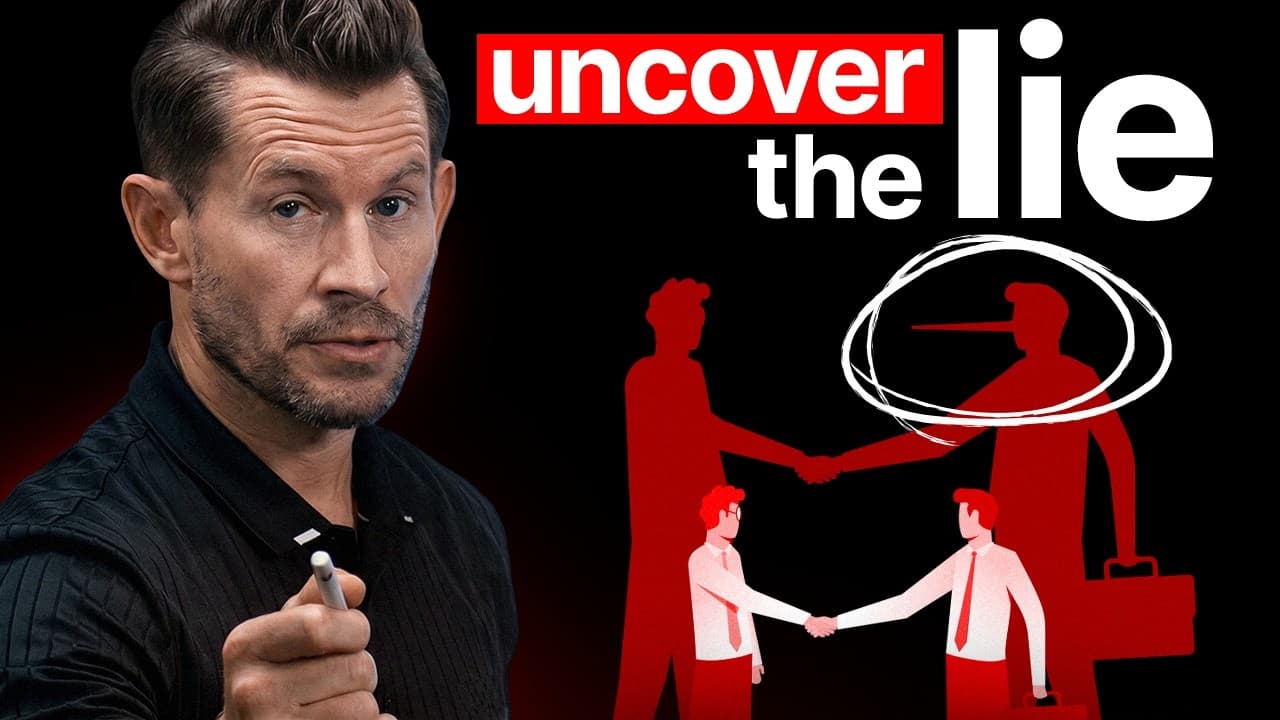
TL;DR
Non-committal language and identity frames drive buying resistance, and recognizing them helps you guide prospects toward change. By reading patterns, you can ask targeted questions, reduce fear of change, and move conversations from confrontation to collaboration. The approach combines neuroscience concepts with practical language cues to improve closing rates.
Transcript
Raise your hand if you own a business, just so I can see who we have here. 1 2 3 4 Okay, half the room. Raise your hand if you are a salesperson, sales manager, VP of sales. Okay, some there. Okay, good. I love working with business owners, sales [music] executives, high-level ones, sales people that come to events like this because you guys know t... Read More
Key Insights
- Prospects wear a mask and you must see through it to sell effectively.
- Selling to the mask leads to vague, noncommittal responses and stalled deals.
- Non-committal language is a reliable signal of resistance and hidden objections.
- Fear of change activates the brain and blocks decision making.
- Frames and identity language control how buyers perceive options.
- Deframe and reframe are essential to shift a prospect’s thinking.
- Recognizing patterns lets you label and overcome objections in real time.
- NEPQ and psychological framing are practical tools used by a large base of reps.
Install to Summarize YouTube Videos and Get Transcripts
Explore YouTube Video Summarizer or Get YouTube Transcript Extractor
Questions & Answers
Q: What causes prospects to reveal a real interest during a sales conversation?
Prospects reveal real interest when the conversation moves beyond mask talking and the questions and framing address their underlying fears. By identifying non-committal language and recognizing when the mind perceives change as a threat, you can adjust framing to reduce risk and encourage commitment. This shift relies on understanding patterns and frames.
Q: Why is the mask a problem in sales conversations?
The mask hides the true needs and motivations of the buyer, causing sellers to receive vague answers and stall or cancel deals. When you sell to the masked version of the person, you miss critical signals, fail to address the real problem, and rely on assumptions instead of actionable insights, leading to higher rejection rates.
Q: What is non-committal language and why is it important?
Non-committal language consists of words and phrases that avoid clear commitment, signaling internal hesitation or fear of change. It is important because recognizing this language helps you steer the conversation toward concrete next steps, assess readiness, and tailor your questions to reveal true intent and motivation to buy.
Q: How do frames influence buying decisions?
Frames shape how buyers interpret information and assess risk. They determine what counts as acceptable evidence and what is considered a desirable outcome. By reframing the conversation, you alter the buyer’s perceived risk and make the proposed change feel safer, increasing the likelihood of a purchase.
Q: What is the role of identity language in selling?
Identity language reinforces how a buyer sees themselves in relation to the solution and the vendor. Using it helps align the offer with the buyer’s self-concept, reducing resistance and helping them imagine themselves benefiting from change. This alignment can move discussions toward commitment rather than hesitation.
Q: Why do objections arise if they are not preplanned by the buyer?
Objections arise when the buyer experiences a survival response to perceived risk and changes in their environment. These responses are triggered in real time by the conversation, not preplanned; understanding this helps the seller address the underlying fear rather than attempting to counter a scripted objection.
Q: How does fear of change impact the decision process?
Fear of change makes the mind prefer the safety of the status quo. This perceived risk delays or prevents action, especially when the proposed change is new or unknown. By reframing the change as safer and outlining clear, low-risk steps, you reduce resistance and improve the odds of a decision.
Q: What practical steps does the video propose for improving closing chances?
Practical steps include learning to identify non-committal language, recognizing frames and identity cues, and applying NEPQ techniques to deframe and reframe conversations. The goal is to reveal the real motivations of prospects, reduce their perceived risk, and guide them toward tangible next steps that lead to a closed deal.
Summary & Key Takeaways
-
The video explains that prospects wear a mask and that selling to the masked person leads to poor results, so you must uncover the real human behind the mask. It emphasizes recognizing patterns, language, and body cues to identify when change is feared and resistance is high. The method aims to increase clarity and confidence in the sales process.
-
The speaker argues that belief systems and frames shape buying decisions, and reframing these frames can lower perceived risk. He stresses that objections are often triggered by subconscious fears, not premeditated by the prospect, and that understanding these dynamics enables more effective communication and better outcomes.
-
The session links the concept of frames to practical NEPQ techniques and frames the offer in terms of reducing risk compared with staying in the status quo. It also references a large community of practitioners using NEPQ and promises actionable steps for professional growth in sales and leadership.
Read in Other Languages (beta)
Share This Summary 📚
Summarize YouTube Videos and Get Video Transcripts with 1-Click
Try YouTube Summary with ChatGPT & Claude or YouTube Transcript Generator
Explore More Summaries from Jeremy Miner 📚





Summarize YouTube Videos and Get Video Transcripts with 1-Click
Try YouTube Summary with ChatGPT & Claude or YouTube Transcript Generator