How to use precision probing to close more deals?
TL;DR
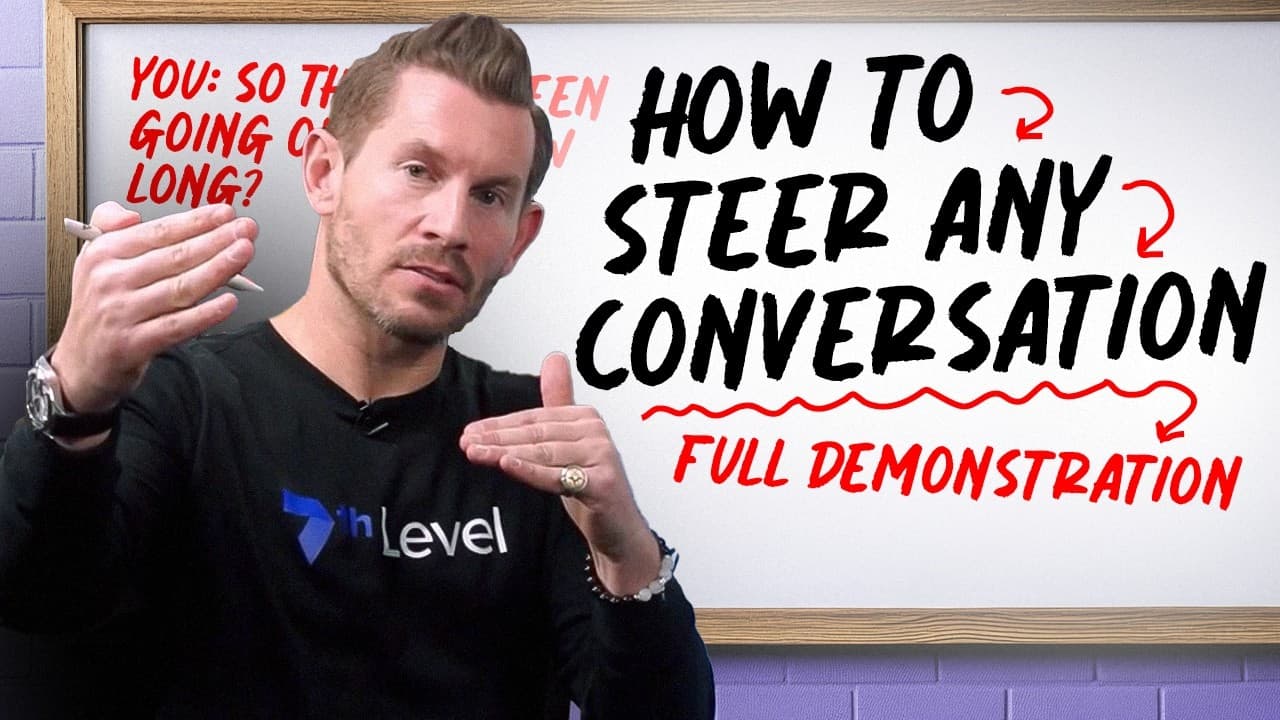
Precision probing exposes hidden prospect pain by guiding questions that move from surface issues to deeper emotional drivers. It teaches repeating emotional cues, clarifying probing, and using tonality to trigger self persuasion, helping prospects convince themselves to change and buy sooner with less resistance.
Transcript
If you're a salesperson and you want you or your teams to start selling more, you want to pay attention to what I'm going to go over. So, I'm going to teach you something today called precision probing. Okay? So, we're going to give you some examples of precision probing and how you can use it for what you sell. Now, the first thing I want to show ... Read More
Key Insights
- Pain and fear are the two core emotional drivers that prompt change.
- Surface level questions fail to reveal deep issues and should be avoided.
- The iceberg effect explains that most pain lies beneath the surface and requires probing.
- Precision probing relies on clarifying questions and supportive tonality to open prospects up.
- NEPQ probing questions are used to advance the conversation toward closure.
- Triggering self-persuasion makes prospects articulate why they need to change themselves.
- Pacing and pauses help prospects internalize problems before offering solutions.
- Tonality and phrasing steer emotional disclosures from prospects into actionable insights.
Install to Summarize YouTube Videos and Get Transcripts
Explore YouTube Video Summarizer or Get YouTube Transcript Extractor
Questions & Answers
Q: What is precision probing in sales and why is it important?
Precision probing is a questioning approach designed to uncover deeper pains and emotional drivers that influence a buyer's decision. It goes beyond surface level inquiries by asking clarifying, targeted questions and using tone to invite prospects to reveal the real reasons they should change. This leads to more self driven commitments to purchase.
Q: How do you identify the two emotional drivers of change in a prospect?
The two drivers are pain and fear of future pain. Pain reflects current problems that the prospect wants solved, while fear of ongoing or future pain motivates action to avoid worse outcomes. A balanced mix of addressing both aspects increases perceived need and urgency to buy.
Q: Why should you avoid only focusing on surface level questions?
Surface level questions yield vague, generic answers and miss the buried pains that actually drive decisions. Probing deeper with clarifying questions helps prospects relive and articulate the impact of their problems, creating emotional engagement and a stronger case for change.
Q: What is the iceberg effect in sales conversations?
The iceberg effect describes how most of a prospect’s pain is hidden below the surface. Only a small portion is visible in initial questions, while the majority of issues lies beneath. Effective probing uncovers this hidden pain, enabling a more compelling justification for purchasing.
Q: How can tonality influence the effectiveness of probing questions?
Tonality signals concern and empathy, encouraging prospects to open up. By using a concerned or confused tone when repeating a keyword like stress, you invite the prospect to elaborate, leading to richer emotional disclosures and better discovery of underlying problems.
Q: What role does self persuasion play in NEPQ style questions?
Self persuasion occurs when prospects articulate why they need to change themselves rather than being told why they should change. By guiding questions that lead to self discovery, you increase commitment and reduce resistance at the point of sale.
Q: Describe a sequence of probing questions that moves from a surface issue to a personal impact.
Start with a broad problem, then repeat emotional cues with a concerned tone, ask how long the issue has persisted, explore its impact on the business, then drill into personal consequences. This sequence helps the prospect connect their situation to personal stakes, enhancing motivation to act.
Q: How can a salesperson steer an emotional dump during a discovery call?
When a prospect starts emotionally venting, acknowledge with a soft, supportive tone and steer the conversation back to specific details. Ask targeted clarifying questions about times, examples, and consequences to convert emotion into actionable insights while maintaining rapport.
Summary & Key Takeaways
-
Precision probing targets the two emotional drivers of change, pain and fear, to motivate action without relying on hard sell techniques. It emphasizes moving beyond surface level questions to uncover deep, motivating issues that drive buying decisions. This approach reduces resistance and accelerates closing.
-
The iceberg metaphor illustrates how most prospects conceal 90 percent of their problems beneath the surface, requiring probing questions and careful tonality to reveal hidden pains. By surfacing those pains, sales reps can guide prospects toward self persuaded outcomes.
-
The NEPQ framework uses specific probing questions and tonality to elicit emotional responses and self-persuasion. Practitioners learn to pace questions, clarify vague responses, and steer emotional dumps into meaningful insights that connect problems to solutions, ultimately improving close rates.
Read in Other Languages (beta)
Share This Summary 📚
Summarize YouTube Videos and Get Video Transcripts with 1-Click
Try YouTube Summary with ChatGPT & Claude or YouTube Transcript Generator
Explore More Summaries from Jeremy Miner 📚






Summarize YouTube Videos and Get Video Transcripts with 1-Click
Try YouTube Summary with ChatGPT & Claude or YouTube Transcript Generator