How to turn a simple idea into a $25K/month SaaS
TL;DR
The founder built a minimal MVP in 3 days and validated it on Reddit, then grew a family-run SaaS to $25K monthly with 20,000 users and 86,000 unique visitors. He uses niche targeting, a free tier, and word of mouth to drive growth, keeping costs low and profits high. The key is shipping fast, validating with real users, and leveraging referrals.
Transcript
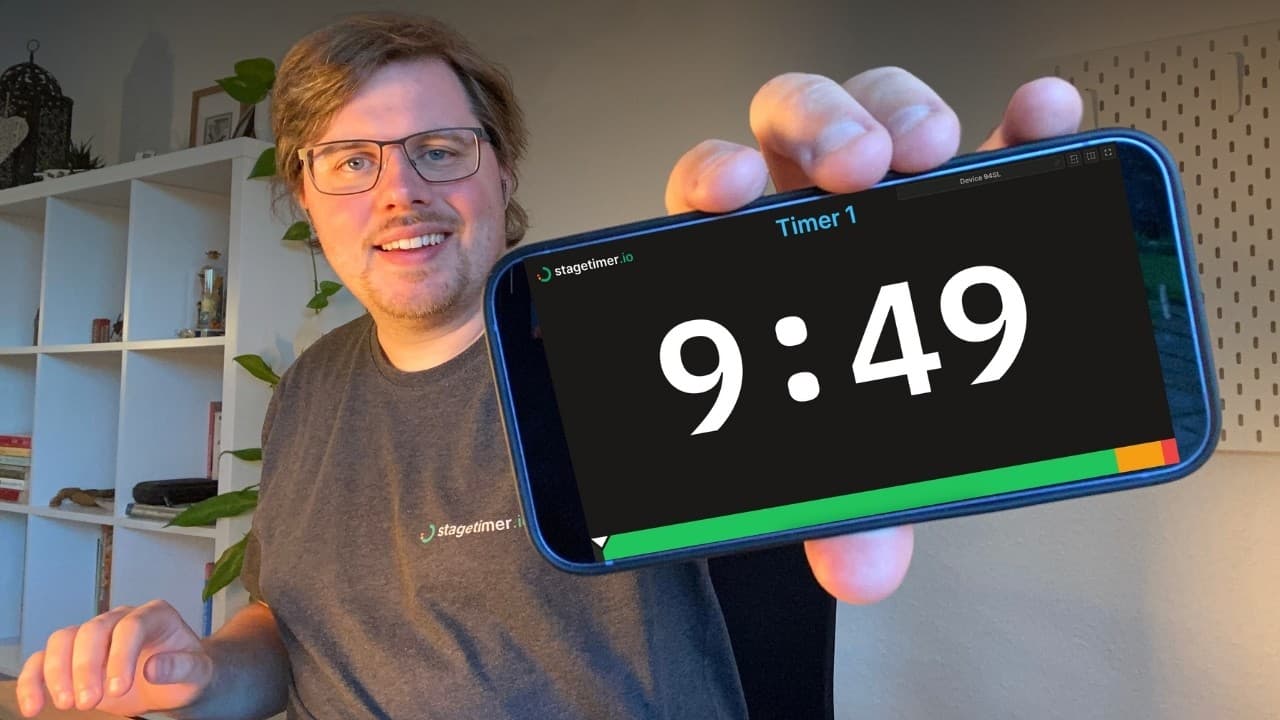
i built a simple countdown timer into a 25K per month app meet Lucas a solopreneur from Germany who built arguably the world's simplest app in this episode we dive into how Lucas turned a stupidly simple idea into a business that allowed him to quit his job and ultimately changed his life this single Reddit post with 58 ups changed everything plus... Read More
Key Insights
- Stage Timer started as a simple timer app and grew into a $25K/month SaaS by focusing on a niche audience.
- The MVP was shipped in 3 days using JavaScript, Vue.js, and NodeJS, avoiding new technologies to reduce learning curves.
- Reddit validation is effective when posts are thoughtful, non-spammy, and provide clear feedback requests.
- Partnering with his wife to handle marketing and customer support allowed the founder to focus on product and finances.
- Traffic comes from a mix of 50% Google search and a strong referral network, amplifying growth with word of mouth.
- A niche documentation and YouTube content strategy helps capture specific user questions and convert them to paying customers.
- The business runs with very low monthly costs, around 280 for servers and 250 for tools, plus 1,400 in ads, yielding high margins.
- Free tier plays a crucial role in converting freelancers and event organizers into paying customers over time.
- More videos from this channel:
- More from this channel: Starter Story
Install to Summarize YouTube Videos and Get Transcripts
Explore YouTube Video Summarizer or Get YouTube Transcript Extractor
Questions & Answers
Q: How did Lucas validate the idea before building the MVP?
Lucas validated the idea by posting in a niche Reddit community related to video production and asking for feedback on usefulness and potential improvements. He avoided spamming, posted only once per subreddit, and used the lack of pricing on the site to encourage honest feedback. This approach yielded concrete feature requests and demonstrated demand before any substantial investment.
Q: What was the MVP like and how quickly was it built?
The MVP was extremely lean, with a single feature where clicking a button started a timer on the screen. Lucas used technologies he already knew, including JavaScript, Vue.js, and NodeJS, and avoided newer tools. He shipped the MVP in about 3 days, allowing rapid iteration based on user feedback in the evenings after work.
Q: How did Lucas structure the family involvement in the business?
After earning the first dollar, Lucas invited his wife to join the business to handle marketing and customer-facing tasks. She learned quickly and now manages Google ads, sales emails, and customer support, while Lucas focuses on product development, finances, and strategic direction. This collaboration enabled a sustainable, growth-oriented workflow.
Q: What is Lucas’s background and path to building Stage Timer?
Lucas began coding as a high school student, then freelanced while studying. He completed a degree in 2020 and immediately pursued building his own product. He committed to launching Stage Timer during the early COVID period, released the MVP in November 2020, and gradually grew the business until quitting his job in 2022.
Q: How does Lucas acquire customers and drive growth?
Traffic comes from roughly 50% Google search and a sizable share from word of mouth. Lucas also creates niche content and documentation to target specific use cases, such as countdown timer integrations with devices like Stream Deck, and uses results to attract highly relevant buyers who are more likely to convert.
Q: What tools and tech stack support the business operations?
Lucas uses a simple, fast stack: JavaScript, Vue.js, NodeJS for the app, with Airtable as a CRM and automation layer, and Postmark for transactional emails. This lean toolkit keeps operational costs low while enabling scalable growth and reliable customer communications.
Q: What do the cost and profit figures look like for the business?
The business runs very cheaply: about 280 per month for servers, 250 for tools, and 1,400 for paid ads. This results in an 80 to 90 percent profit margin, illustrating how a lean product with targeted marketing and a strong value proposition can achieve high profitability.
Q: Why would people pay for Stage Timer and what is the value proposition?
People pay because the tool solves a concrete, time-sensitive problem in niche workflows such as event planning and video production. The value comes from a simple, reliable timer that integrates into existing workflows, plus ongoing support and improvements from a small, focused team that can move quickly.
Summary & Key Takeaways
-
A founder built a tiny MVP quickly and validated it through targeted Reddit posts, then expanded the product with his wife joining to handle marketing and support.
-
Growth relies on niche targeting, search visibility, and word of mouth, plus a strong free tier that nudges users toward paid plans.
-
Costs are very low, with high margins, thanks to lean infrastructure and careful use of affordable tools.
Read in Other Languages (beta)
Share This Summary 📚
Summarize YouTube Videos and Get Video Transcripts with 1-Click
Try YouTube Summary with ChatGPT & Claude or YouTube Transcript Generator
Explore More Summaries from Starter Story 📚



Summarize YouTube Videos and Get Video Transcripts with 1-Click
Try YouTube Summary with ChatGPT & Claude or YouTube Transcript Generator